
Quick Summary
Discover the hidden causes of monsoon breakouts in India and learn evidence-backed solutions to prevent and treat acne for all Indian skin types this rainy season.
The 'Invisible' Culprit Behind Your Monsoon Breakouts - And How to Stop It for Good
Every monsoon, countless Indians notice a sudden surge in breakouts. Most blame the usual suspects: oil, sweat, and humidity. But what if there’s an invisible culprit making things worse? This guide unpacks the lesser-known triggers of monsoon breakouts and offers practical, India-specific solutions to keep your skin clear all season.
1. Myth vs Fact: Is Humidity Alone to Blame?
Myth: Only oily skin types get monsoon breakouts.
Fact: Even dry and combination skin can suffer during the rainy season. Humidity increases sweat and sebum, but the real issue is how these mix with environmental pollutants and bacteria. In Indian metros, air pollution spikes during monsoon, leading to more clogged pores for everyone.
- According to a 2022 study in Mumbai, particulate matter in the air rises by 12% during monsoon months, increasing skin irritation risk.
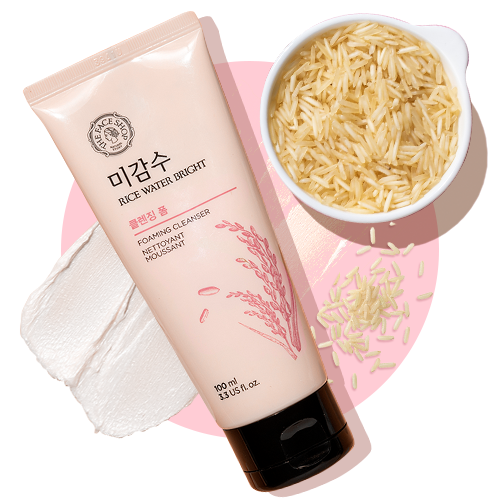
- Tip: Cleanse twice daily with a gentle foaming face wash like Vitamin C Brightening Foaming Face Wash to remove both sweat and pollutants.
2. The Invisible Culprit: Fungal Acne (Malassezia Folliculitis)
Most people assume all monsoon pimples are bacterial acne. But in India’s humid climate, a yeast called Malassezia can overgrow, causing tiny, itchy bumps - often mistaken for regular acne. This is called fungal acne, and it thrives in sweat-soaked, damp conditions.
- Look for clusters of uniform, itchy bumps on the forehead, chest, or back.
- Standard acne treatments may not work. Instead, use gentle, non-comedogenic products and avoid heavy creams.
- Change out of damp clothes quickly and use a clean towel after sweating.
3. Indian Skin and the Monsoon: Unique Challenges
Indian skin tones (Fitzpatrick IV-VI) are more prone to post-inflammatory hyperpigmentation after breakouts. This means even a small pimple can leave a dark mark for weeks. Monsoon humidity also increases the risk of fungal infections, especially in crowded cities like Delhi and Kolkata.
- Choose products with brightening ingredients like vitamin C to help fade marks.
- Layer lightweight, hydrating serums instead of heavy moisturizers.
- Always patch-test new products, as sensitivity can increase in humid weather.
4. Counterintuitive Fact: Over-Cleansing Can Backfire
It’s tempting to wash your face multiple times a day during the sticky monsoon. But over-cleansing strips your skin’s natural barrier, leading to rebound oiliness and more breakouts. Dermatologists in India recommend sticking to a twice-daily routine.
- Use a gentle cleanser in the morning and evening.
- Blot excess oil with a clean tissue instead of washing repeatedly.
- Consider a weekly clay mask from our Masks collection for deep cleansing without over-drying.
5. The Role of Hair Care and Accessories
Wet hair, scarves, and helmets can trap sweat and bacteria against your skin. In India, where many commute by bike or public transport, this is a common but overlooked trigger for breakouts along the hairline and jaw.
- Dry your hair thoroughly before tying it up or wearing a helmet.
- Wash scarves and helmet liners regularly.
- Keep hair products off your face and switch to non-comedogenic formulas.
6. Affordable, Effective Solutions for Every Budget
Clear skin doesn’t have to break the bank. Many effective monsoon skincare products are available in India for under INR 500. Look for:
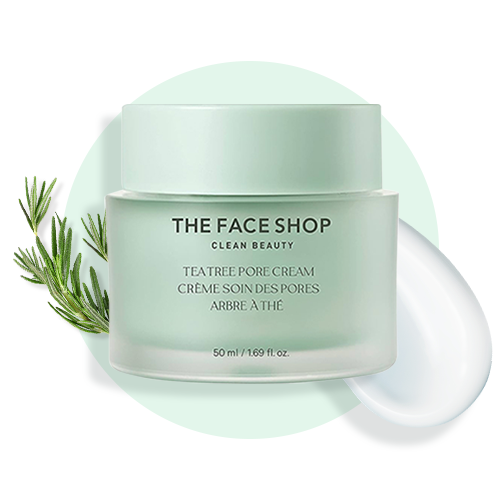
- Foaming cleansers with vitamin C or tea tree for gentle cleansing.
- Oil-free moisturizers that hydrate without clogging pores.
- Spot treatments with salicylic acid for targeted action.
Explore our Acne & Blemish collection for dermatologist-recommended options tailored to Indian skin.
7. Routine Guide: Building a Monsoon-Proof Skincare Regimen
Consistency is key. Here’s a simple, evidence-backed routine for Indian monsoon skin:
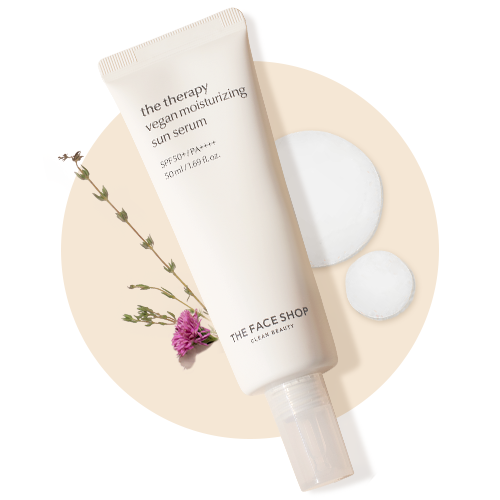
- Morning: Cleanse with a gentle foaming face wash, apply a lightweight moisturizer, and finish with a broad-spectrum sunscreen (yes, even on cloudy days).
- Evening: Double cleanse if you wear makeup or sunscreen, then use a hydrating serum and a non-comedogenic moisturizer.
- Weekly: Use a clay or sheet mask from our Masks collection to control oil and soothe irritation.
Mini-checklist for monsoon skincare:
- Patch-test new products
- Change pillowcases twice a week
- Stay hydrated (aim for 2-3L water daily)
- Avoid touching your face
8. When to See a Dermatologist: Know Your Limits
If breakouts persist for more than six weeks, or if you notice painful cysts, consult a dermatologist. Some conditions, like severe fungal acne or hormonal breakouts, require prescription treatments. In India, teleconsultations are now widely available for as low as INR 300 per session.
- Keep a diary of your symptoms and products used.
- Take clear photos to share with your doctor.
- Don’t self-medicate with strong steroids or antibiotics without guidance.
Conclusion: Take Control of Monsoon Breakouts
Understanding the invisible triggers of monsoon breakouts - like fungal acne, pollution, and over-cleansing - empowers you to make smarter skincare choices. With India-specific routines and affordable, effective products from The Face Shop, you can enjoy clear, healthy skin all rainy season.
FAQ
What is the main cause of monsoon breakouts in India?
While humidity and oil contribute, the main invisible culprits are environmental pollutants and fungal acne, which thrive in damp, crowded Indian cities during monsoon.
How can I tell if my breakout is fungal acne?
Fungal acne appears as clusters of small, itchy bumps, often on the forehead, chest, or back. Unlike regular acne, it may not respond to standard treatments and often feels itchy.
Are there affordable solutions for monsoon breakouts?
Yes, many effective cleansers, moisturizers, and spot treatments are available in India for under INR 500. Look for gentle, non-comedogenic products with proven ingredients.
Should I wash my face more often during monsoon?
No, over-cleansing can damage your skin barrier. Stick to washing twice daily and use blotting tissues for excess oil.
When should I see a dermatologist for monsoon breakouts?
If breakouts persist for more than six weeks, are painful, or worsen despite good skincare, consult a dermatologist. Teleconsultations are affordable and widely available in India.