


Quick Summary
Indian dermatologists share the top 7 skincare layering mistakes, with practical advice for Indian skin, climate, and actives. Learn how to layer for best results.
Dermatologists Reveal: The 7 Most Common Skincare Layering Mistakes for Indian Skin
Layering skincare actives can transform your skin – but only if you do it right. Indian skin, with its unique melanin content and exposure to heat, humidity, and pollution, needs special care. We asked leading dermatologists to answer your most pressing questions about layering actives like vitamin C, niacinamide, and retinol. Here are the seven mistakes they see most often, plus practical fixes and India-specific examples to help you get the glow you want, without irritation or wasted money.
1. Skipping the Cleanser: Why a Proper Start Matters in India
Q: Is cleansing really that important before layering actives?
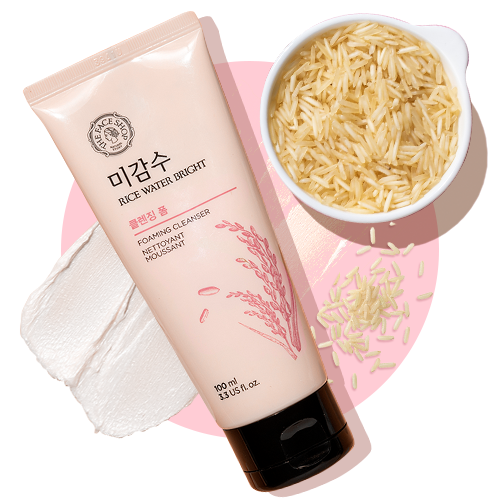
Dermatologist Answer: Absolutely. In India, sweat, dust, and pollution can clog pores and block actives from absorbing. A gentle, pH-balanced cleanser removes grime without stripping your skin. For example, using a foaming face wash like the Vitamin C Brightening Foaming Face Wash ensures your skin is clean and ready for serums. Skipping this step can make even the best actives less effective and may lead to breakouts, especially in humid cities like Mumbai or Chennai.
- Choose a cleanser suited for your skin type (oily, dry, sensitive).
- Double cleanse if you wear sunscreen or makeup daily.
- Look for sulfate-free formulas to avoid over-drying.
2. Mixing Incompatible Actives: The Indian Skin Sensitivity Factor
Q: Can I layer vitamin C and retinol together?
Dermatologist Answer: Not recommended. Vitamin C (ascorbic acid) and retinol work best at different pH levels and can irritate Indian skin, which is often more reactive due to higher melanin. Instead, use vitamin C in the morning and retinol at night. Combining strong actives like AHAs, BHAs, and retinol can also trigger redness or post-inflammatory hyperpigmentation, especially on medium to deep skin tones common in India.
- Morning: Vitamin C + Niacinamide (if tolerated)
- Night: Retinol or AHA/BHA (not both on the same night)
- Always patch test new combinations
Did you know? A 2022 study found that Indian skin is more prone to irritation from aggressive actives compared to lighter skin types (source).
3. Ignoring Humidity and Climate: Customizing for Indian Weather
Q: Should I change my layering routine in summer vs. winter?
Dermatologist Answer: Yes. High humidity in Indian summers means lighter, water-based serums and gel moisturizers work best. In winter, switch to richer creams to prevent dryness. For example, a lightweight vitamin C serum under a gel moisturizer is ideal for Delhi’s hot months, while a nourishing cream from the Winter Moisturizer collection suits drier climates like Shimla.
- Summer: Cleanser → Vitamin C serum → Gel moisturizer → Sunscreen
- Winter: Cleanser → Hydrating toner → Serum → Cream moisturizer
Tip: Products that feel sticky in Chennai’s humidity may be perfect for dry winters in North India.
4. Overusing Actives: More Is Not Better (Especially for Indian Skin)
Q: Can I use actives every day?
Dermatologist Answer: Not always. Overusing actives like retinol or acids can damage your skin barrier, leading to irritation, dark spots, or even burns. Indian skin, which is more prone to pigmentation, needs a slow and steady approach. Start with 2-3 times a week and increase only if your skin tolerates it. For example, if you’re targeting pigmentation, alternate between vitamin C and niacinamide rather than using both daily at high concentrations.
- Introduce one new active at a time
- Monitor for redness, peeling, or stinging
- Consult a dermatologist if unsure about frequency
Counterintuitive fact: Using too many actives can actually worsen hyperpigmentation in Indian skin.
5. Not Waiting Between Layers: The Absorption Mistake
Q: How long should I wait between applying products?
Dermatologist Answer: Give each layer 30 seconds to 1 minute to absorb. This helps prevent pilling and ensures actives penetrate properly. In India’s humid climate, rushing can leave skin sticky and reduce efficacy. For example, after applying a vitamin C serum, wait before layering moisturizer or sunscreen. This small pause can make a big difference in results.
- Apply thinnest to thickest: toner → serum → moisturizer → sunscreen
- Use gentle patting motions for better absorption
Did you know? A 2021 survey found that 60% of Indian skincare users skip waiting between layers, leading to less effective routines (source).
6. Forgetting Sunscreen: The Most Costly Layering Error
Q: Is sunscreen really necessary if I’m indoors?
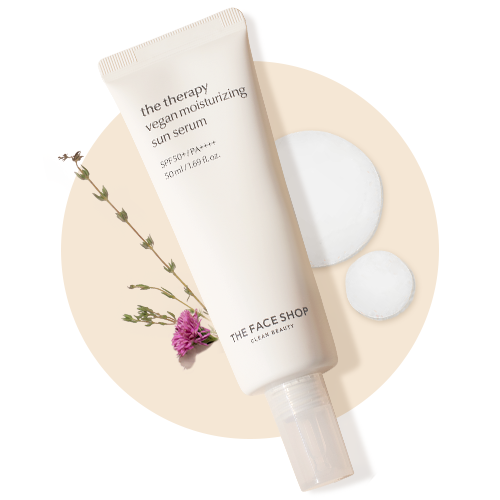
Dermatologist Answer: Yes. UV rays penetrate windows and worsen pigmentation, especially after using actives like vitamin C, AHAs, or retinol. Skipping sunscreen can undo all your hard work and investment in serums. In India, where sun exposure is high year-round, daily broad-spectrum SPF 30+ is non-negotiable. Sunscreen also protects against blue light from screens, which can cause dark spots on Indian skin.
- Apply sunscreen as the last step, even on cloudy days
- Reapply every 2-3 hours if outdoors
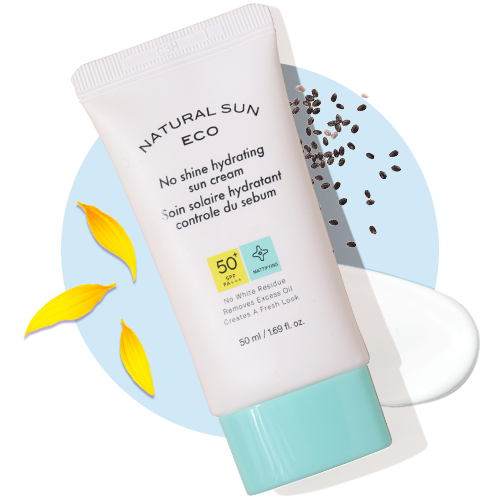
- Look for lightweight, non-greasy formulas for humid climates
Value tip: Investing in a good sunscreen (INR 400–800) saves money on pigmentation treatments later.
7. Not Adjusting for Indian Skin Tones: Personalizing Your Routine
Q: Do Indian skin tones need special layering strategies?
Dermatologist Answer: Yes. Indian skin is more prone to post-inflammatory hyperpigmentation (PIH) and can react strongly to harsh actives. Choose products with proven brighteners like vitamin C, niacinamide, and alpha arbutin. Avoid high-strength acids unless prescribed. For example, layering a gentle vitamin C serum with a hydrating moisturizer from Herbday 365 can help fade dark spots without irritation.
- Patch test every new product
- Introduce actives gradually
- Monitor for increased pigmentation or sensitivity
Counterintuitive fact: Indian skin often benefits from lower concentrations of actives, not higher.
Bonus: The Right Order – A Quick Layering Checklist for Indian Skin
- Cleanser (gentle, pH-balanced)
- Toner (optional, hydrating)
- Vitamin C serum (morning) / Retinol (night)
- Niacinamide or hydrating serum
- Moisturizer (gel for summer, cream for winter)
- Sunscreen (SPF 30+)
For more product ideas, explore our Best Korean Cleansers and Masks collections for gentle options that suit Indian skin.
FAQs: Your Top Skincare Layering Questions Answered
Can I use vitamin C and niacinamide together on Indian skin?
Yes, most Indian dermatologists now agree that layering vitamin C and niacinamide is safe and can boost brightening. Start with vitamin C, wait a minute, then apply niacinamide.
How do I layer actives if I have oily, acne-prone skin?
Use a gentle cleanser, a lightweight vitamin C serum, and a gel moisturizer. Limit actives like salicylic acid or retinol to 2-3 times a week to avoid over-drying.
What’s the best way to introduce retinol for Indian beginners?
Start with a low concentration (0.2–0.5%), use at night, and apply moisturizer after. Begin with twice a week, increasing as tolerated.
Should I use a toner before or after serums?
Use toner immediately after cleansing and before serums. Hydrating toners prep skin for better absorption of actives.
How much should I budget for a basic active layering routine in India?
You can build an effective routine for INR 1,200–2,500 per month, focusing on essentials: cleanser, vitamin C serum, moisturizer, and sunscreen.
Conclusion: Smarter Layering for Healthier Indian Skin
Layering actives can be powerful for Indian skin, but only when done thoughtfully. Avoid these seven common mistakes, personalize your routine for your skin tone and climate, and remember: less is often more. For gentle, dermatologist-inspired products, explore Herbday 365 and the Winter Moisturizer collection at The Face Shop. Your healthiest, most radiant skin is just a few smart layers away.
FAQ
Can I use vitamin C and niacinamide together on Indian skin?
Yes, most Indian dermatologists now agree that layering vitamin C and niacinamide is safe and can boost brightening. Start with vitamin C, wait a minute, then apply niacinamide.
How do I layer actives if I have oily, acne-prone skin?
Use a gentle cleanser, a lightweight vitamin C serum, and a gel moisturizer. Limit actives like salicylic acid or retinol to 2-3 times a week to avoid over-drying.
What’s the best way to introduce retinol for Indian beginners?
Start with a low concentration (0.2–0.5%), use at night, and apply moisturizer after. Begin with twice a week, increasing as tolerated.
Should I use a toner before or after serums?
Use toner immediately after cleansing and before serums. Hydrating toners prep skin for better absorption of actives.
How much should I budget for a basic active layering routine in India?
You can build an effective routine for INR 1,200–2,500 per month, focusing on essentials: cleanser, vitamin C serum, moisturizer, and sunscreen.