
Quick Summary
Discover a dermatologist-backed, India-specific 3-step K-Beauty monsoon routine to prevent breakouts and achieve glass skin. Learn how to choose and use the right cleanser, serum, and moisturizer for humid weather.
Monsoon in India brings much-needed relief from the heat, but for many, it also means a surge in breakouts, oiliness, and dullness. If you’ve tried countless routines without results, it’s time to discover a K-Beauty-inspired, India-specific approach that works with the weather - not against it. Here’s a practical, dermatologist-backed 3-step routine tailored for Indian skin, designed to prevent breakouts and reveal that coveted 'glass skin' glow, even in the stickiest months.
Why Monsoon Skin Needs a Special Routine
Indian monsoons create a unique challenge: high humidity, sudden temperature drops, and increased pollution. This combination can trigger excess oil production, clogged pores, and more frequent breakouts, especially for oily and acne-prone skin. According to a 2022 survey by Nykaa, over 60% of Indian consumers reported more skin issues during monsoon than any other season. The right routine can help you stay clear and radiant, even when the weather isn’t on your side.
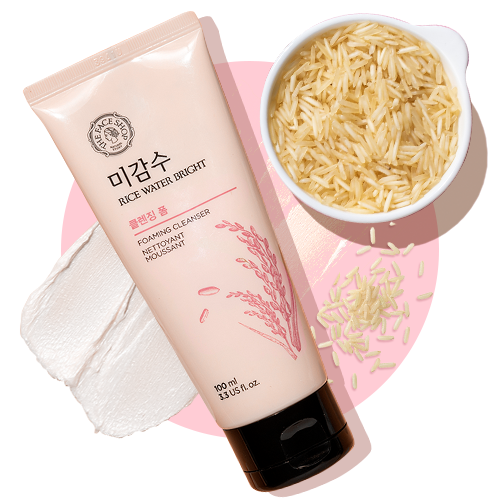
Step 1: Choose a Gentle, Non-Stripping Cleanser
Start with a cleanser that removes sweat, oil, and pollution without disrupting your skin barrier. In humid Indian cities like Mumbai or Kolkata, harsh cleansers can strip natural oils, causing rebound oiliness and more breakouts. Look for sulfate-free, fragrance-free formulas with hydrating ingredients like glycerin or ceramides.
- Tip: Wash your face twice daily - over-cleansing can trigger more oil.
- Checklist: Avoid foaming cleansers with SLS, opt for gel or cream textures, and check for pH-balanced labels.
For a K-Beauty twist, try double cleansing at night if you wear sunscreen or makeup. This ensures all residue is removed, reducing clogged pores.
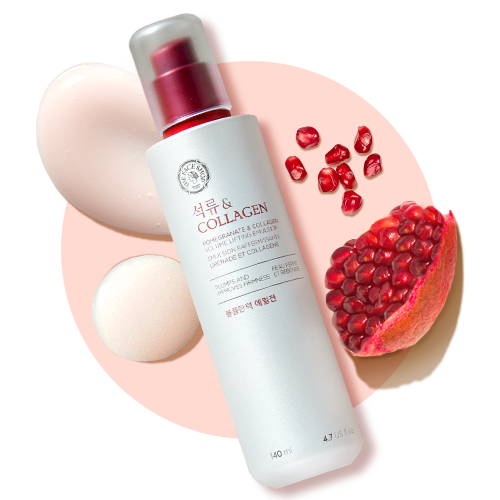
Step 2: Target Breakouts & Dullness with a Lightweight Serum
Serums are the secret weapon in any K-Beauty routine. During monsoon, pick a water-based, non-comedogenic serum with actives like niacinamide (for oil control and redness), hyaluronic acid (for hydration), or vitamin C (for brightening). These ingredients are proven to work for Indian skin tones and humid climates.
- Niacinamide helps reduce inflammation and controls sebum - ideal for those prone to monsoon breakouts.
- Hyaluronic acid attracts moisture without feeling sticky, even in high humidity.
- Vitamin C fights pollution-induced dullness and supports even skin tone.
Apply your serum on damp skin after cleansing for best absorption. For those new to actives, start with alternate-day use to avoid irritation.
Explore our Vitamin C Serum and Peptide Serum collections for options tailored to Indian skin needs.
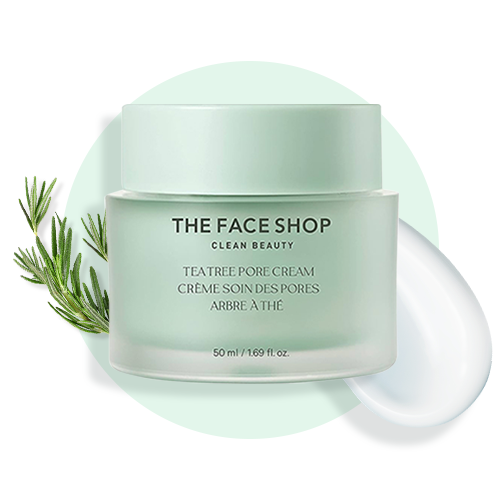
Step 3: Lock in Hydration with a Non-Greasy Moisturizer
It’s a myth that oily or acne-prone skin can skip moisturizer during monsoon. In fact, skipping this step can make your skin produce even more oil. Choose a lightweight, non-comedogenic moisturizer with ceramides or rice extracts to strengthen your skin barrier and prevent water loss.
- Look for gel-based or emulsion textures - they absorb quickly and don’t feel heavy.
- Rice ceramide formulas are especially effective for Indian skin, offering hydration and barrier repair without clogging pores.
Try Ceramide & Rice Moisturizing Emulsion for a K-Beauty favorite that suits humid weather and sensitive, breakout-prone skin.
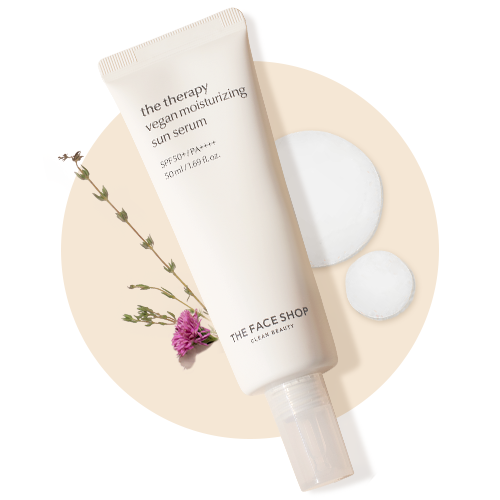
Bonus: Don’t Skip Sunscreen - Even on Cloudy Days
UV rays penetrate clouds and can worsen hyperpigmentation and post-acne marks. Many Indian consumers skip sunscreen during monsoon, but this is a mistake. Choose a matte, non-shiny sunscreen that won’t clog pores or feel greasy.
- Apply sunscreen every morning, even if you’re indoors most of the day.
- Look for SPF 30 or higher with PA+++ rating for broad-spectrum protection.
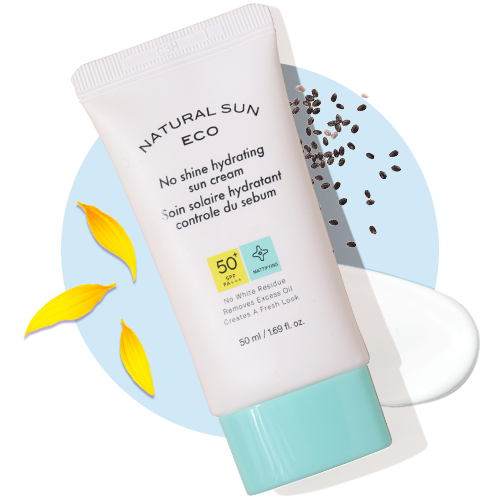
Our NaturalSun Eco No Shine Hydrating Sun Cream is a top pick for Indian humidity - lightweight, non-comedogenic, and budget-friendly (under INR 1000).
How to Layer Your 3-Step Routine for Maximum Results
Layering is key to K-Beauty. In the Indian monsoon, less is more. Here’s a quick guide:
- Cleanser: Morning and night, use gentle motions - no scrubbing.
- Serum: Apply 2-3 drops on damp skin, pat in gently.
- Moisturizer: Seal in hydration with a pea-sized amount.
- Sunscreen (AM): Finish with a generous layer, reapply if outdoors.
Mini-checklist: Always patch test new products, especially if you have sensitive or acne-prone skin. Introduce one new product at a time to monitor reactions.
India-Specific Ingredient Picks: What Works (and What to Avoid)
Not all trending ingredients suit Indian skin or monsoon weather. Here’s what to look for:
- Best for Monsoon: Niacinamide, hyaluronic acid, ceramides, rice extract, vitamin C.
- Use with Caution: Heavy oils, thick creams, alcohol-based toners - they can clog pores or cause irritation in humidity.
- Skip: Physical scrubs and harsh exfoliants, which can damage the skin barrier and worsen breakouts.
Did you know? Studies show that Indian skin is more prone to post-inflammatory hyperpigmentation after breakouts. Gentle, barrier-supporting ingredients are crucial for both prevention and healing.
How Much Should You Spend? Value Tips for Every Budget
Effective K-Beauty routines don’t have to break the bank. In India, you can build a dermatologist-approved monsoon routine for under INR 2500 if you choose wisely. Prioritize your budget on serums with proven actives and a reliable sunscreen. Many quality cleansers and moisturizers are available for INR 300–800.
- Look for combo offers or starter kits from The Face Shop for better value.
- Invest in a serum that targets your main concern - oiliness, dullness, or pigmentation.
Remember, consistency matters more than price. Even affordable routines deliver results if used daily.
Common Mistakes to Avoid During Monsoon
Many Indians unknowingly sabotage their skin during monsoon. Watch out for these pitfalls:
- Over-washing or scrubbing the face, which can trigger more oil and sensitivity.
- Skipping moisturizer, leading to dehydration and rebound oiliness.
- Using thick, occlusive creams that trap sweat and bacteria.
- Ignoring sunscreen on cloudy days - UV damage is still a risk.
Pro tip: Always check ingredient lists for comedogenic (pore-clogging) ingredients, especially if you’re prone to breakouts.
When to See a Dermatologist: Knowing Your Limits
While most monsoon breakouts can be managed at home, persistent or severe acne may need professional help. If you notice painful cysts, scarring, or no improvement after 6-8 weeks of a consistent routine, consult a dermatologist. They can recommend prescription treatments or identify underlying issues like hormonal imbalance or fungal acne, which are common in humid climates.
Transparency note: This guide is based on evidence and practical experience, but individual results can vary. Always patch test and listen to your skin.
FAQ
Can I skip moisturizer if my skin feels oily during monsoon?
No, skipping moisturizer can actually make your skin produce more oil. Choose a lightweight, non-comedogenic formula to keep your skin balanced and hydrated.
How often should I wash my face during monsoon?
Twice daily is ideal. Over-washing can strip your skin barrier and increase oiliness. Use a gentle, sulfate-free cleanser.
Is sunscreen necessary on cloudy or rainy days?
Yes, UV rays penetrate clouds and can worsen pigmentation. Use a matte, non-greasy sunscreen every morning.
Which serum is best for acne-prone skin in humid Indian weather?
Look for water-based serums with niacinamide or vitamin C. These control oil, reduce redness, and brighten skin without clogging pores.
How long before I see results from a new monsoon skincare routine?
Most people notice improvements in 4-8 weeks with consistent use. If you see no change or worsening, consult a dermatologist.