


Quick Summary
Discover a dermatologist-backed, 4-step monsoon skincare routine for oily skin in India. Learn how to deep cleanse, hydrate, and maintain your glow morning and night.
Monsoon in India brings much-needed relief from the heat, but it also introduces a unique set of skin challenges - especially for those with oily or combination skin. Increased humidity can trigger excess sebum, clogged pores, and a dull, tired complexion. The good news? With the right routine, you can keep your skin fresh, balanced, and glowing all season long. Here’s a dermatologist-backed, step-by-step guide tailored for Indian skin and climate, with practical product picks and INR-friendly advice.
1. Why Monsoon Humidity Worsens Oily Skin: The Science & Indian Context
Humidity levels during the Indian monsoon can soar above 80%, especially in cities like Mumbai, Chennai, and Kolkata. This excess moisture in the air causes your skin’s sebaceous glands to ramp up oil production, leading to a greasy T-zone, frequent breakouts, and a persistent dullness. According to clinical studies, high humidity can also disrupt the skin barrier, making it more prone to irritation and fungal acne - a common concern in India’s monsoon months.
- Counterintuitive fact: Over-cleansing or skipping moisturizer can actually make oily skin worse by triggering rebound oiliness.
- Tip: Focus on gentle, deep cleansing and lightweight hydration to maintain balance.
2. Step 1: Deep Cleansing - Your Monsoon Game Changer
Deep cleansing is the foundation of any effective monsoon skincare routine for oily skin. Sweat, pollution, and excess sebum can clog pores fast in India’s urban environments. A gentle yet thorough cleanser removes impurities without stripping the skin.
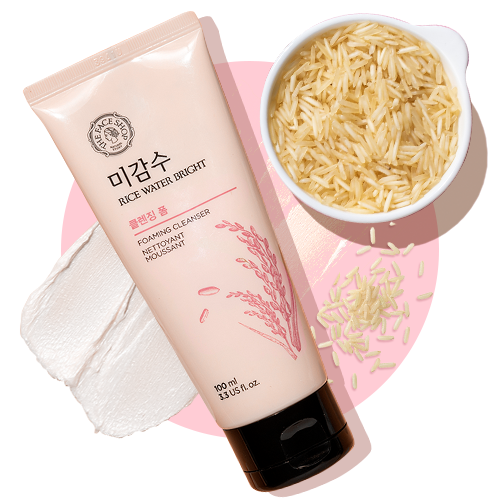
- Recommended: The Face Shop Rice Water Bright Cleansing Foam - formulated with rice water, this cleanser brightens while removing oil and grime. Available in 100 ml and 150 ml sizes, it offers excellent value (starting at around ₹650), lasting 2-3 months with daily use.
- Why it works: Rice water is rich in amino acids and vitamins, supporting a healthy skin barrier. The foam texture deeply cleanses without leaving skin tight or dry.
Mini-checklist:
- Cleanse twice daily - morning and night
- Use lukewarm water to avoid shocking the skin
- Pat dry with a soft towel, don’t rub
3. Step 2: Lightweight Toning - Balance Without Stickiness
Toners help remove residual impurities and prep the skin for better absorption of serums and moisturizers. In the monsoon, opt for alcohol-free, hydrating toners with ingredients like niacinamide or green tea. These soothe inflammation and refine pores without adding heaviness.
- India-specific tip: Avoid astringent toners with high alcohol content, as they can irritate and dehydrate oily Indian skin in humid weather.
- Look for: Ingredients like witch hazel (in low concentrations), cucumber, or centella asiatica for calming effects.
4. Step 3: Serum Power - Target Dullness & Oil Control
Serums are your secret weapon for addressing monsoon-induced dullness and excess oil. Choose lightweight, non-comedogenic formulas with active ingredients:
- Niacinamide: Reduces sebum production and brightens uneven skin tone - a top pick for Indian skin prone to pigmentation.
- Vitamin C: Fights dullness and environmental damage, giving a visible glow even on cloudy days.
- Salicylic Acid: Penetrates pores to prevent breakouts, especially helpful if you’re prone to acne during monsoon.
Pro tip: Layer serums after toner and before moisturizer. Use 2-3 drops, gently pressing into the skin for best absorption.
5. Step 4: Moisturize & Protect - Yes, Even for Oily Skin
Many Indians with oily skin skip moisturizer during monsoon, fearing extra shine. In reality, a lightweight, gel-based moisturizer is essential to maintain hydration and prevent the skin from overcompensating with more oil. Look for oil-free, non-comedogenic options with ingredients like hyaluronic acid or glycerin.
- Budget tip: Many effective gel moisturizers are available in India for under ₹500. Check for fragrance-free options to avoid irritation.
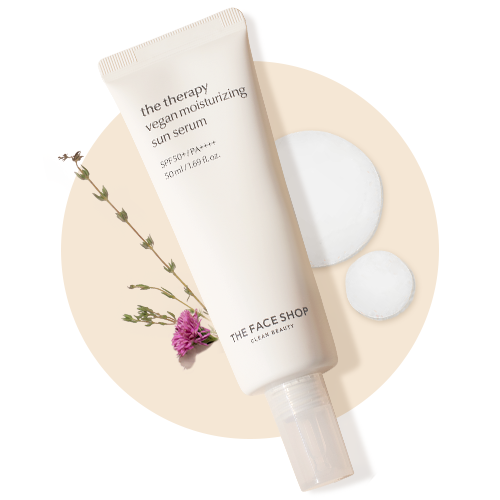
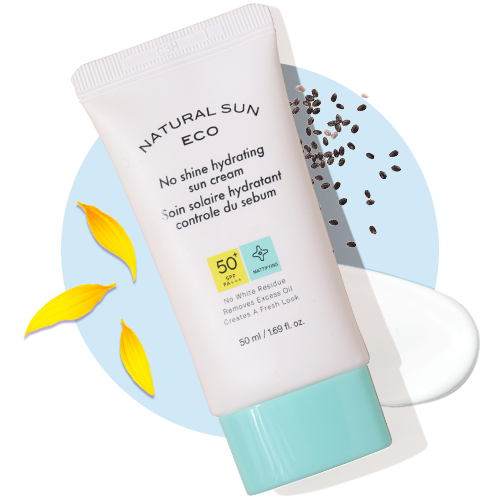
- Don’t forget SPF: Even on cloudy days, UV rays can penetrate and cause pigmentation. Opt for a matte-finish sunscreen with at least SPF 30.
6. Night Routine Tweaks - Repair & Reset While You Sleep
Your night routine is the perfect time to address deeper concerns like post-acne marks or uneven skin tone. After cleansing and toning, consider adding a targeted treatment:
- Explore serums for post-acne marks - look for ingredients like centella asiatica or licorice extract.
- Use a richer moisturizer if your skin feels dehydrated from air conditioning.
- Apply a sleeping mask 2-3 times a week for an extra hydration boost.
Note: Always patch test new actives, especially if you have sensitive or reactive skin.
7. Weekly Extras - Masksheets & Exfoliation for Monsoon Glow
Weekly treatments can help maintain clarity and radiance. Sheet masks infused with rice extract or vitamin C deliver instant brightness and hydration. Gentle exfoliation (once a week) with a mild scrub or enzyme-based exfoliant removes dead skin cells and prevents congestion.
- Browse masksheets for oily skin - look for clarifying and hydrating formulas.
- Exfoliate only at night and never on irritated or broken skin.
Counterintuitive fact: Over-exfoliating can worsen oiliness and sensitivity. Stick to once a week for best results.
8. Common Mistakes to Avoid in Your Monsoon Routine
- Skipping moisturizer - leads to rebound oiliness
- Using harsh cleansers - can disrupt your skin barrier
- Over-exfoliating - causes irritation and more breakouts
- Neglecting sunscreen - UV rays are present even on rainy days
- Not adjusting your routine as humidity levels change across India
Quick fix: If your skin feels sticky, blot with tissue or use a mattifying powder - don’t wash your face more than twice daily.
9. How to Personalize Your Routine for Different Indian Climates
India’s monsoon isn’t the same everywhere. In coastal cities, humidity is relentless, while in the north, you may experience cooler, damp air. Adjust your routine by:
- Switching to lighter textures in high humidity (gels, fluids)
- Adding a hydrating serum if you’re in air-conditioned environments
- Using spot treatments for sudden breakouts
Mini-checklist: Monitor how your skin feels and tweak products as needed. What works in Mumbai may not suit Delhi’s monsoon.
10. When to See a Dermatologist - Limitations of At-Home Care
While most oily skin and dullness issues can be managed with a good routine, persistent acne, severe pigmentation, or fungal infections may require professional help. If you notice:
- Red, itchy patches that don’t improve
- Frequent, painful breakouts
- Sudden changes in skin texture or color
Consult a dermatologist for tailored advice and prescription treatments. At-home routines are supportive, not a replacement for medical care.
FAQ
How often should I cleanse my face during the monsoon if I have oily skin?
Cleanse your face twice daily—morning and night. Over-cleansing can strip your skin and trigger more oil production. Use a gentle, deep-cleansing foam for best results.
Is it necessary to use moisturizer in humid Indian weather?
Yes, even oily skin needs hydration. Choose a lightweight, gel-based moisturizer to balance oil and prevent your skin from producing excess sebum.
Can I skip sunscreen on cloudy or rainy days?
No. UV rays penetrate clouds and can cause pigmentation and premature aging. Always use a broad-spectrum, matte-finish sunscreen with at least SPF 30.
What ingredients should I look for in a monsoon serum for oily skin?
Look for niacinamide (oil control), vitamin C (brightening), and salicylic acid (pore-clearing). These ingredients are effective for Indian skin during the monsoon.
How do I adjust my skincare routine for different Indian cities during monsoon?
In high-humidity cities, use lighter textures and blot excess oil. In cooler, damp regions, add a hydrating serum. Always monitor your skin and tweak products as needed.