
Quick Summary
Top Indian dermatologists reveal the truth about anti-aging skincare for achieving 'glass skin' on Indian skin tones. Learn what works, what’s a myth, and how to build your ideal routine.
‘Glass skin’ - the ultra-smooth, luminous look popularized by K-beauty - has become a top skincare goal for many Indians. But does anti-aging skincare truly help Indian complexions achieve this effect? We asked leading dermatologists to answer your most pressing questions, bust myths, and share evidence-backed advice tailored for Indian skin types, tones, and climate.
1. What Does ‘Glass Skin’ Mean for Indian Skin Tones?
Glass skin refers to skin that appears poreless, hydrated, and radiant. While the trend originated in Korea, Indian skin has its own unique needs. According to Dr. Priya Sharma, a Mumbai-based dermatologist, “Indian skin is more prone to pigmentation, dehydration, and uneven texture due to higher melanin content and environmental factors like pollution and sun exposure.”
- Indian complexions range from fair to deep brown, so ‘glass skin’ is about healthy, even-toned, and glowing skin - not fairness.
- Hydration and barrier repair are crucial, especially in India’s humid summers and dry winters.
- Products must suit local climates and avoid heaviness or pore-clogging.
Counterintuitive fact: Many Indians believe only lighter skin can look ‘glassy’, but dermatologists confirm that radiance is achievable at every skin tone with the right care.
2. Are Anti-Aging Ingredients Effective for Glass Skin in India?
Yes, but with caveats. Anti-aging ingredients like peptides, niacinamide, and hyaluronic acid support the glass skin look by improving texture, hydration, and elasticity. However, Dr. Sameer Gupta notes, “Retinol and strong acids can cause irritation or pigmentation if not used correctly on Indian skin.”
- Peptides boost collagen for smoother, firmer skin.
- Niacinamide brightens and strengthens the skin barrier, reducing dullness.
- Hyaluronic acid delivers deep hydration, essential for that dewy finish.
For a gentle, effective start, try layering a peptide serum with a lightweight moisturizer. Always patch test new actives.
3. How Should Indian Consumers Layer Anti-Aging and Glass Skin Products?
Layering is key, but the order and compatibility matter. Here’s a dermatologist-approved routine for Indian skin:
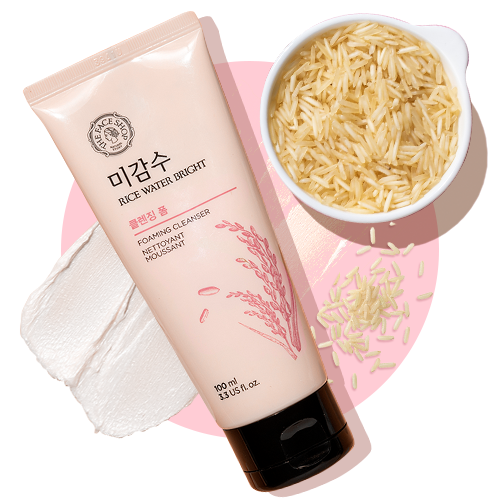
- Double cleanse: Start with an oil-based cleanser like Rice Water Bright Light Cleansing Oil to remove sunscreen and pollution, followed by a gentle foaming cleanser.
- Toner/essence: Hydrating toners prep the skin for actives.
- Serum: Apply anti-aging serums (peptides, vitamin C, or niacinamide).
- Moisturizer: Use a barrier-repair cream such as Ceramide & Rice Moisturizing Cream for lasting hydration.
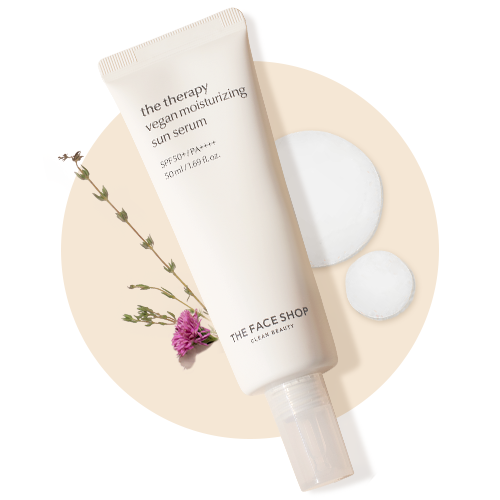
- Sunscreen: Essential every morning, even indoors.
Mini-checklist for Indian climate:
- Choose gel or emulsion textures in humid weather.
- Layer lighter products first, heavier ones last.
- Introduce one new active at a time to avoid irritation.
4. Which Korean Anti-Aging Ingredients Work Best for Indian Skin?
Not all K-beauty ingredients are created equal for Indian skin. Dermatologists recommend focusing on:
- Snail mucin: Repairs and hydrates without heaviness, suitable for all skin tones.
- Rice extracts: Brighten and soothe, helping reduce pigmentation.
- Beta-glucan and panthenol: Calm sensitivity and boost moisture.
- Vitamin C: Fights dullness and sun damage, but choose stabilized forms to minimize irritation.
Look for products with these ingredients and check for INR pricing to ensure value. For example, a quality peptide serum can range from ₹800 to ₹2,500 in India, depending on concentration and brand reputation.
5. What Are the Biggest Myths About Anti-Aging and Glass Skin in India?
Dermatologists highlight several persistent myths:
-
Myth: “Glass skin” means fair skin.
Fact: It’s about clarity and radiance, not color. -
Myth: Anti-aging products are only for those over 35.
Fact: Prevention can start in your 20s with gentle actives and sunscreen. -
Myth: More products mean better results.
Fact: Over-layering can irritate Indian skin, especially in hot, humid weather. -
Myth: Home remedies are safer.
Fact: Lemon juice and raw turmeric can worsen pigmentation or cause burns.
Always rely on evidence-backed products and patch test before full use.
6. How Do Indian Skin Concerns Affect Anti-Aging Results?
Indian skin is more susceptible to post-inflammatory hyperpigmentation (PIH), sun damage, and dehydration. Dr. Anjali Mehra explains, “Aggressive exfoliation or strong actives can trigger dark spots or sensitivity in Indian skin.”
- Focus on barrier repair and gentle hydration first.
- Use antioxidants and peptides to address early aging signs.
- Sun protection is non-negotiable - UV exposure accelerates aging and pigmentation.
For visible results, consistency is key. Most users see improvements in texture and glow within 6-8 weeks of a tailored routine.
7. What’s the Best Value Routine for Anti-Aging Glass Skin in India?
Building an effective routine doesn’t have to break the bank. Dermatologists recommend:
- Cleansing oil (₹800–₹1,200): Removes makeup and pollution. Try Rice Water Bright Light Cleansing Oil.
- Hydrating toner or essence (₹700–₹1,500): Preps and hydrates.
- Peptide or vitamin C serum (₹900–₹2,500): Targets aging and dullness. Explore peptide serums or vitamin C serums.
- Barrier-repair moisturizer (₹900–₹1,800): Locks in moisture. Consider Ceramide & Rice Moisturizing Cream.
- Sunscreen (₹500–₹1,500): Essential daily protection.
Tip: Invest in serums and moisturizers, but you can save on cleansers and toners if you choose gentle, effective options.
8. What Results Can You Realistically Expect - and How Fast?
Dermatologists emphasize that glass skin is a journey, not a quick fix. Most Indian users notice:
- Softer, more hydrated skin in 2–3 weeks
- Improved glow and evenness in 6–8 weeks
- Reduction in fine lines and pigmentation over 3–6 months with consistent use
Limitations: Genetics, hormones, and lifestyle (diet, sleep, stress) also impact results. No product can permanently erase wrinkles or guarantee poreless skin, but a thoughtful routine can maximize your skin’s healthiest, most radiant version.
9. How to Choose the Right Products for Your Indian Skin Type?
With so many options, here’s how dermatologists suggest you decide:
- Oily/combination skin: Opt for lightweight emulsions or gels, especially in humid cities like Mumbai or Chennai. Ceramide & Rice Lightweight Emulsion is a great pick.
- Dry skin: Choose richer creams and layer hydrating serums.
- Sensitive skin: Avoid strong acids; look for calming ingredients like beta-glucan and panthenol.
- Hyperpigmentation: Incorporate niacinamide and stabilized vitamin C.
Always check ingredient lists and start slow. If in doubt, consult a dermatologist for personalized advice.
10. Final Checklist: Building Your Anti-Aging Glass Skin Routine
- Double cleanse every evening
- Hydrate with toner/essence
- Apply targeted serum (peptide, vitamin C, or niacinamide)
- Moisturize for your skin type
- Never skip sunscreen
- Patch test new products
- Be patient - consistency delivers results
For more expert-backed routines and ingredient guides, explore our peptide serum and vitamin C serum collections.
FAQ
Can anti-aging products cause pigmentation on Indian skin?
Some strong actives like retinol or acids can trigger pigmentation if overused or not paired with sunscreen. Always introduce new products gradually and use sun protection daily.
Is it necessary to use all steps in a Korean glass skin routine?
No. Indian dermatologists recommend focusing on cleansing, hydration, targeted serum, moisturizer, and sunscreen. Extra steps are optional and should suit your skin’s needs.
How soon can I expect to see results from an anti-aging glass skin routine?
Most people notice improved hydration and glow within 2–3 weeks, with more even tone and reduced fine lines in 6–8 weeks. Consistency is key.
Are Korean anti-aging products suitable for sensitive Indian skin?
Many are, especially those with calming ingredients like beta-glucan and panthenol. Avoid harsh acids and always patch test before full use.
What’s the best way to prevent aging signs on Indian skin?
Daily sunscreen, gentle cleansing, barrier repair, and consistent use of antioxidants or peptides are the most effective ways to prevent early aging signs.