
Quick Summary
Discover the top anti-aging mistakes Indian skin faces and how to avoid them. Learn K-Beauty solutions tailored for India’s climate and lifestyle.
Indian skin is unique - rich in melanin, often exposed to harsh sun, humidity, and pollution. Yet, many anti-aging routines miss these local realities. If you’re noticing early signs of aging or want to future-proof your skin, avoiding these common mistakes is essential. Let’s break down what not to do, and how K-Beauty routines can help you get it right for Indian conditions.
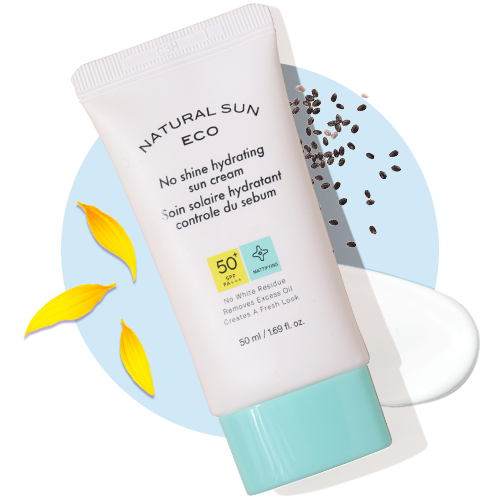
1. Skipping Daily Sunscreen - Even Indoors
Why it matters: UV rays are the number one cause of premature aging, and Indian cities get high UV exposure year-round. Many believe sunscreen is only for fair skin or outdoor days, but UVA rays penetrate windows and clouds, causing pigmentation and wrinkles even indoors.
- Fact: Studies show Indian skin is prone to uneven pigmentation and sun-induced spots, not just tanning.
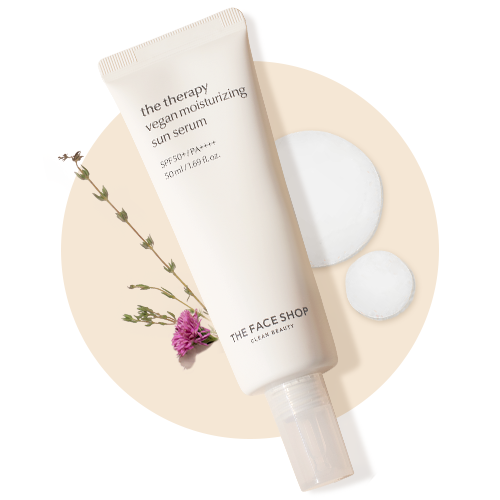
- Practical tip: Choose lightweight, broad-spectrum sunscreens that don’t leave a white cast. Reapply every 2-3 hours, especially if you’re near windows or screens.
- INR value: Investing in a quality sunscreen (typically INR 500–1200) can save you thousands on future treatments for pigmentation or wrinkles.
2. Over-Cleansing or Using Harsh Face Washes
Why it matters: Many Indians use strong soaps or foaming cleansers to combat sweat and pollution, but this strips the skin’s natural barrier. A compromised barrier accelerates aging, leading to dryness, sensitivity, and dullness.
- Counterintuitive fact: Over-washing can make oily skin oilier and dry skin flakier.
- India-specific example: In humid cities like Mumbai, double cleansing with a gentle formula removes grime without damaging the skin.
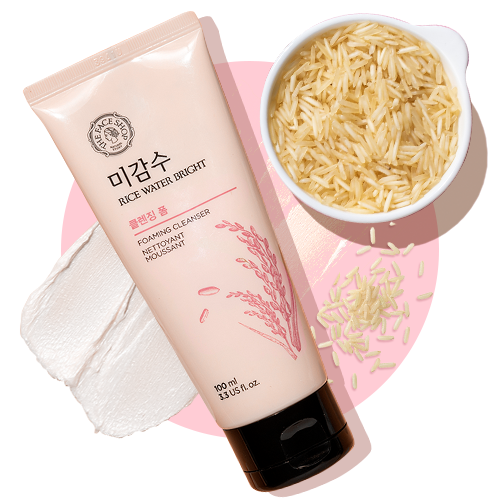
- K-Beauty solution: Try a mild cleanser like Rice Water Bright Cleansing Foam for effective yet gentle cleansing.
3. Ignoring Hydration - Assuming Oily Skin Doesn’t Need Moisture
Why it matters: Many with oily or combination skin skip moisturizer, fearing breakouts. But dehydration triggers more oil production and speeds up fine lines.
- Practical tip: Use lightweight, water-based moisturizers or hydrating toners. Look for ingredients like hyaluronic acid and rice extract, which suit Indian skin in both dry and humid climates.
- INR value: Hydrating toners and serums (INR 700–1800) last months and prevent costly skin issues later.
- Try: Ceramide & Rice Moisturizing Toner for barrier support and hydration.
Building Your K-Beauty Anti-Aging Routine for Indian Skin
Ready to start? Here’s a simple, effective routine tailored for Indian skin and climate:
- Cleanse: Use a gentle cleanser like Rice Water Bright Cleansing Foam to remove dirt and pollution.
- Tone: Apply Ceramide & Rice Moisturizing Toner for hydration and barrier support.
- Treat: Layer a Vitamin C Serum or Peptide Serum for antioxidant protection and firming.
- Moisturize: Use a lightweight moisturizer suitable for your skin type.
- Protect: Finish with sunscreen every morning, reapplying as needed.
For body care, explore our Body Lotion / Moisturizer for Dry Skin collection to keep skin supple and youthful all over.
Conclusion: Small Tweaks, Big Results
Anti-aging for Indian skin isn’t about expensive treatments - it’s about smart, consistent habits. By avoiding these common mistakes and embracing K-Beauty’s gentle, layered approach, you can keep your skin healthy, radiant, and youthful for years to come.
FAQ
Do Indian skin tones age differently than lighter skin?
Indian skin, rich in melanin, is less prone to deep wrinkles but more likely to develop uneven pigmentation and sun spots. Consistent sun protection and hydration are key to maintaining an even, youthful complexion.
Can I use K-Beauty products if I have sensitive or acne-prone Indian skin?
Yes. Many K-Beauty products are formulated to be gentle and hydrating, which suits sensitive or acne-prone Indian skin. Always patch test new products and start with mild formulations.
How often should I reapply sunscreen in India?
Reapply sunscreen every 2-3 hours, especially if you’re outdoors, near windows, or sweating. This is crucial in India’s high UV environment to prevent pigmentation and early aging.
Is it necessary to change my skincare routine with the seasons in India?
Absolutely. Switch to lighter, gel-based products in humid summers and richer creams in dry winters. Adjusting your routine helps prevent breakouts or dryness caused by climate changes.
What’s the best age to start an anti-aging routine for Indian skin?
Prevention is better than cure. Start with sunscreen and hydration in your early 20s, and introduce targeted anti-aging products like vitamin C or peptides by your late 20s or early 30s.