
Quick Summary
Discover the safest, most effective K-Beauty brightening actives for Indian skin that won’t cause sun sensitivity. Achieve luminous, glass-like skin with evidence-backed, India-specific advice.
Dreaming of that luminous, poreless 'glass skin' look but worried about sun sensitivity? If you have Indian skin, you’re right to be cautious - many brightening actives can increase photosensitivity, leading to pigmentation or irritation under our intense sun. This guide unpacks the safest, most effective K-Beauty brightening actives for Indian skin, so you can glow confidently without risking your barrier or complexion.
Why Sun Sensitivity Matters for Indian Skin
Indian skin (Fitzpatrick types III–V) is naturally more prone to post-inflammatory hyperpigmentation (PIH) and melasma. Actives like AHAs, retinol, and high-strength vitamin C can make skin more sensitive to UV rays, especially in India’s climate. This means the wrong choice can undo your brightening efforts or even worsen dark spots. Understanding which ingredients are safe - and why - empowers you to build a routine that delivers results without side effects.
- Fact: Over 60% of Indian dermatology patients cite pigmentation as a top concern (source: Indian Journal of Dermatology).
- Tip: Always patch test new actives, especially if you have a history of PIH or sensitive skin.
What Makes an Active 'Non-Photosensitizing'?
Non-photosensitizing actives do not make your skin more vulnerable to sun damage. They work gently to brighten, even out tone, and boost radiance without increasing the risk of sun-induced pigmentation. For Indian skin, this is crucial - our higher melanin content means even minor irritation can trigger dark spots.
- Look for actives that support the skin barrier and reduce inflammation.
- Check for clinical studies or dermatologist endorsements specific to melanin-rich skin.
The Top 5 Safe Brightening Actives for Indian Skin
Here’s a quick-reference glossary of the best K-Beauty-inspired brightening actives that won’t make your skin sun-sensitive:
- Niacinamide (Vitamin B3): Reduces dark spots, controls oil, and strengthens the barrier. Safe for daily use, even in summer.
- Rice Extract: Traditional in K-Beauty, rice extract gently brightens and hydrates. It’s a staple for glass skin routines and ideal for Indian skin’s needs.
- Alpha Arbutin: Targets pigmentation without irritation. Works well for stubborn spots and uneven tone.
- Licorice Root Extract: Calms inflammation and fades discoloration. Especially helpful for PIH and sensitive skin types.
- Vitamin E: An antioxidant that supports healing and enhances the effects of other brighteners.
Unlike AHAs or retinol, these actives do not thin the skin or increase UV sensitivity, making them suitable for year-round use in India.
How K-Beauty Routines Adapt for Indian Skin and Climate
K-Beauty’s multi-step routines are famous for layering hydration and gentle actives. For Indian skin, this approach is a game-changer:
- Hydrating toners and emulsions (like those with rice or ceramides) help maintain barrier health in humid or dry weather.
- Layering lightweight serums ensures actives penetrate without clogging pores or causing greasiness - a common concern in Indian summers.
For example, using a rice-based cleanser followed by a barrier-repairing emulsion can prep your skin for brightening serums, maximizing results.
Comparing Brightening Actives: Pros, Cons, and Trade-Offs
| Active | Benefits | Drawbacks | Best For |
|---|---|---|---|
| Niacinamide | Brightens, controls oil, reduces PIH | Rare mild irritation | All skin types, beginners |
| Rice Extract | Hydrates, soothes, evens tone | Gentle, but slower results | Dry, sensitive, or mature skin |
| Alpha Arbutin | Targets dark spots | Needs consistent use | Stubborn pigmentation |
| Licorice Root | Reduces redness, fades marks | May not suit very oily skin | PIH, sensitive skin |
| Vitamin E | Antioxidant, supports healing | Can feel heavy if overused | Dry or mature skin |
Choose based on your main concern - oil control, hydration, or spot correction - and layer accordingly for best results.
Building a Safe Brightening Routine for Glass Skin in India
Here’s a practical, step-by-step routine tailored for Indian skin and climate:
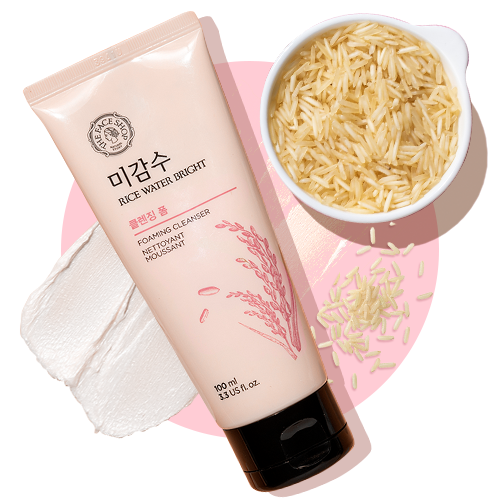
- Cleanse: Use a gentle, brightening cleanser like Rice Water Bright Cleansing Foam to remove impurities without stripping.
- Tone: Apply a hydrating toner to prep skin and support the barrier. See our hydrating toner collection for options.
- Serum: Layer a niacinamide or rice extract serum for daily brightening.
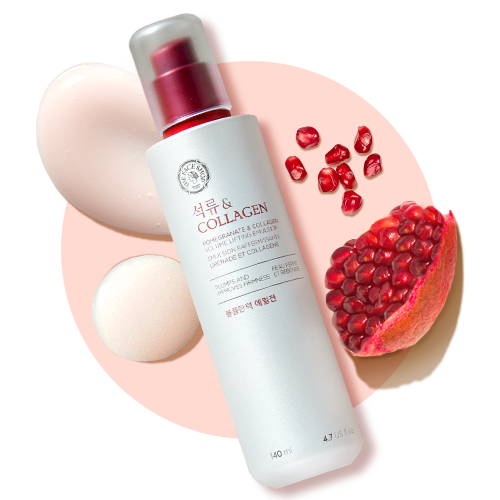
- Emulsion: Lock in moisture with a lightweight emulsion like Ceramide & Rice Lightweight Emulsion.
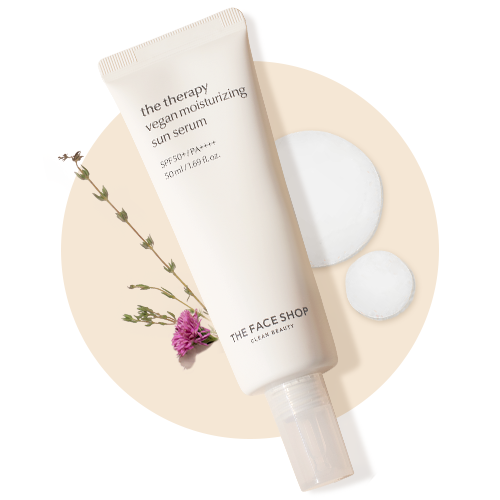
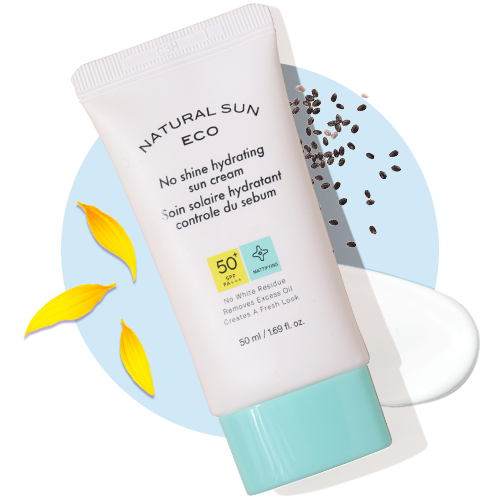
- Sunscreen: Always finish with broad-spectrum SPF - even with non-photosensitizing actives, sun protection is non-negotiable in India.
Mini-checklist:
- Introduce one new active at a time.
- Patch test for 48 hours before full use.
- Monitor for irritation or breakouts, especially in hot, humid weather.
Myth-Busting: Brightening vs. Whitening for Indian Skin
Many Indian consumers worry that 'brightening' means 'whitening.' In K-Beauty, brightening refers to improving radiance, evenness, and clarity - not changing your natural skin tone. The focus is on healthy, luminous skin that glows from within, regardless of shade.
- Counterintuitive fact: Overusing harsh brightening actives can actually darken Indian skin by triggering PIH.
- Choose gentle, non-photosensitizing actives for sustainable results.
How to Choose Products: What to Look for in India
When shopping for brightening products, keep these India-specific tips in mind:
- Check ingredient lists: Look for niacinamide, rice extract, licorice root, and vitamin E high up on the list.
- Value for money: Many K-Beauty products offer concentrated actives at INR 800–1500, making them accessible for most budgets.
- Climate suitability: Opt for lightweight, non-comedogenic formulas that won’t clog pores in humid weather.
- Availability: Shop from trusted sources like The Face Shop to ensure authenticity and quality.
Limitations and When to See a Dermatologist
While these actives are generally safe, results can vary based on genetics, lifestyle, and existing skin conditions. If you have persistent melasma, severe PIH, or unexplained irritation, consult a dermatologist experienced with Indian skin. Prescription treatments may be needed for stubborn pigmentation.
- Transparent tip: No topical active can permanently erase pigmentation - maintenance and sun protection are key.
FAQ
Can I use niacinamide and rice extract together?
Yes, these actives complement each other and are safe for daily use on Indian skin.
Will these actives lighten my natural skin color?
No, they enhance radiance and evenness without altering your natural tone.
How long before I see results?
Most users notice brighter, more even skin in 4–8 weeks with consistent use.
Do I still need sunscreen with non-photosensitizing actives?
Absolutely. Sunscreen is essential to protect your results and prevent new pigmentation.
Are these actives suitable for oily or acne-prone Indian skin?
Yes, especially niacinamide and rice extract, which help control oil and soothe inflammation.