
Quick Summary
Confused about exfoliation? Discover how to choose the right Korean exfoliator for Indian skin types, with practical tips, ingredient insights, and INR-value guidance.
Exfoliation is the secret to glowing, even-toned skin, but picking the wrong exfoliator can backfire - especially for Indian skin types prone to sensitivity, pigmentation, and oiliness. If you’ve tried harsh scrubs or strong acids and ended up with redness or breakouts, you’re not alone. This guide unpacks how to choose the right Korean exfoliator in India, why K-Beauty’s gentle approach works, and how to get the most value for your INR.
Why Most Exfoliators Fail Indian Skin: Common Pitfalls
Many Indian consumers reach for gritty scrubs or high-strength acids, hoping for quick results. However, Indian skin often reacts with irritation, post-inflammatory hyperpigmentation (PIH), or increased oiliness. According to dermatologists, over-exfoliation is a leading cause of barrier damage and uneven tone in Indian climates, where humidity and pollution already stress the skin.
- Physical scrubs can cause microtears, especially on deeper Indian skin tones, leading to dark spots.
- Strong AHAs/BHAs may trigger redness and worsen pigmentation if not introduced slowly.
- Many Western exfoliators are formulated for drier, less melanin-rich skin, making them too harsh for Indian users.
Instead, K-Beauty’s philosophy focuses on gentle, gradual exfoliation - ideal for Indian skin’s unique needs.
K-Beauty’s Gentle Philosophy: What Makes Korean Exfoliators Unique?
Korean exfoliators are designed to respect the skin barrier, using milder acids, soothing botanicals, and innovative delivery systems. This approach minimizes irritation and supports long-term skin health, which is especially important for Indian skin prone to PIH and sensitivity.
- Polyhydroxy acids (PHAs) are larger molecules that exfoliate gently, reducing the risk of stinging or redness.
- Formulations often include calming ingredients like panthenol, centella asiatica, and rice extract - proven to soothe and brighten.
- Many Korean exfoliators are pH-balanced and fragrance-free, reducing the risk of allergic reactions common in Indian climates.
For example, Alltimate Panthenol 2% Exfoliating Gel offers gentle exfoliation with added hydration, making it suitable for sensitive Indian skin.
How to Match Your Exfoliator to Your Indian Skin Type
Choosing the right exfoliator starts with understanding your skin type and concerns. Here’s a quick guide:
- Oily/Acne-Prone: Look for gentle BHAs (like salicylic acid) or PHAs that clear pores without stripping. Korean gels and pads are ideal.
- Dry/Sensitive: Opt for PHAs or lactic acid-based exfoliators, which hydrate as they exfoliate. Avoid gritty scrubs.
- Combination: Use a mild exfoliating gel 2-3 times a week, focusing on the T-zone. Layer with hydrating serums.
- Prone to Pigmentation: Seek out products with niacinamide, rice extract, or licorice root to brighten and even out tone.
Always patch test and introduce new actives slowly, especially if you have a history of PIH or sensitivity.
Key Ingredients in Korean Exfoliators: What to Look For
K-Beauty exfoliators stand out for their ingredient innovation. Here are some hero ingredients to watch for:
- PHAs (e.g., gluconolactone, lactobionic acid): Gentle, hydrating, and suitable for all Indian skin tones.
- Rice Extract: Traditional in Korean and Indian beauty, helps brighten and soothe.
- Panthenol: Strengthens the skin barrier and reduces irritation risk.
- Centella Asiatica: Calms redness and supports healing, great for sensitive or acne-prone skin.
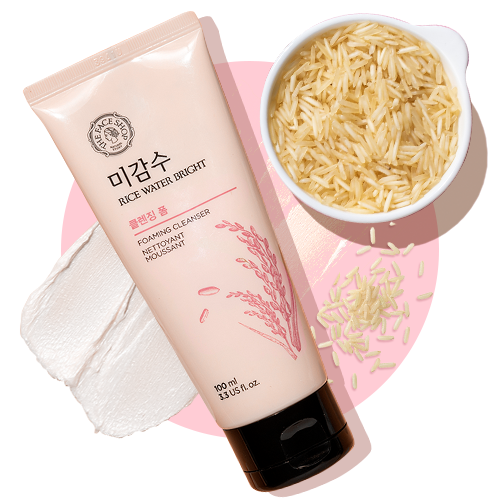
For instance, Rice Water Bright Cleansing Foam combines gentle cleansing with mild exfoliation, making it a smart pick for daily use in India’s humid weather.
Korean vs Western Exfoliators: A Practical Comparison for Indian Shoppers
Let’s break down the key differences:
| Feature | Korean Exfoliators | Western Exfoliators |
|---|---|---|
| Texture | Gels, pads, watery toners | Scrubs, thick creams |
| Acid Strength | Low to moderate (PHAs, mild AHAs/BHAs) | Often high (strong AHAs/BHAs) |
| Barrier Support | Panthenol, ceramides, calming botanicals | Less focus on soothing ingredients |
| Suitability for Indian Skin | High - formulated for sensitivity and humidity | Varies - often too harsh |
| Price Range (INR) | ₹600–₹1800 (value for gentle, effective formulas) | ₹800–₹2500 (may pay more for actives, not always suitable) |
In short, Korean exfoliators offer better value for Indian skin needs, with fewer side effects and more skin-friendly ingredients.
How to Layer Exfoliators Safely in Your Indian Skincare Routine
Layering actives is a hot topic, especially for Indian consumers managing both oiliness and pigmentation. Here’s how to do it safely:
- Start with a gentle cleanser like Rice Water Bright Cleansing Foam.
- Apply your exfoliator (gel, pad, or toner) 2-3 times a week at night. Avoid using on days you apply retinol or vitamin C.
- Follow with hydrating serums (hyaluronic acid, panthenol) and a lightweight moisturizer.
- Always use sunscreen (SPF 30+) in the morning to prevent new pigmentation.
Pro tip: For oily, pigmented skin, alternate exfoliating nights with barrier-repairing products to avoid irritation and PIH.
How to Avoid Over-Exfoliation: Signs, Solutions, and Recovery
Over-exfoliation is a common mistake, especially with the Indian climate amplifying sensitivity. Watch for these signs:
- Redness, stinging, or burning
- Increased breakouts or flaky patches
- Worsening pigmentation or uneven tone
If you notice these, stop exfoliating for a week. Focus on barrier repair with panthenol or ceramide-rich products, and reintroduce exfoliation slowly - no more than twice a week for most Indian skin types.
Smart Shopping: How to Get the Best Value on Korean Exfoliators in India
With the rise of K-Beauty in India, you can now find authentic Korean exfoliators at accessible prices. Here’s how to maximize your INR:
- Look for seasonal offers and trial sizes to test what works for your skin.
- Prioritize products with proven ingredients like PHAs, rice extract, and panthenol.
- Check for multi-use products (like cleansing foams with mild acids) to streamline your routine and save money.
Remember, gentle exfoliation is an investment in long-term skin health - avoid the temptation to overdo it for quick results.
Beyond the Face: Exfoliation for Feet and Body in Indian Conditions
Don’t neglect body exfoliation, especially in India’s hot, humid climate where sweat and pollution can cause roughness and dullness. Korean foot masks and body exfoliators offer a mess-free, effective solution.
- Try the Smile Foot Peeling Mask for a spa-like foot peel at home - ideal for sandal season.
- Use gentle exfoliating gels on elbows, knees, and back to prevent buildup and pigmentation.
For more options, explore our Foot Care collection for targeted solutions.
Checklist: How to Choose the Right Korean Exfoliator for Your Indian Skin
- Identify your skin type and main concern (oiliness, sensitivity, pigmentation, etc.).
- Choose gentle acids (PHAs, mild AHAs/BHAs) over harsh scrubs.
- Look for soothing, barrier-supporting ingredients like panthenol and rice extract.
- Patch test before full use, especially if prone to PIH.
- Start slow - 2-3 times a week is enough for most Indian skin types.
- Shop smart: look for offers, trial sizes, and multi-use products to maximize INR value.
Ready to upgrade your routine? Explore our Trial Store for mini sizes and curated K-Beauty picks.
FAQ
How often should I exfoliate my Indian skin with a Korean exfoliator?
For most Indian skin types, 2-3 times a week is ideal. Sensitive skin may need less frequent exfoliation. Always patch test and monitor for irritation.
Are Korean exfoliators safe for sensitive or pigmented Indian skin?
Yes, most Korean exfoliators use gentle acids like PHAs and soothing botanicals, making them suitable for sensitive and pigmentation-prone Indian skin. Always check ingredients and patch test.
Can I use a Korean exfoliator with other actives like vitamin C or retinol?
It's best to avoid layering strong actives on the same night. Use your exfoliator on alternate nights to vitamin C or retinol to prevent irritation.
What is the best Korean exfoliator for oily, acne-prone skin in India?
Look for gentle BHA or PHA-based gels or pads. Products like Alltimate Panthenol 2% Exfoliating Gel are formulated for Indian oily skin without causing dryness.
How do I know if I am over-exfoliating?
Signs include redness, stinging, increased breakouts, or flaky skin. If you notice these, pause exfoliation, focus on barrier repair, and reintroduce gently.