
Quick Summary
Discover the best anti-aging actives for Indian skin. Learn what works for fine lines and dryness in India's climate, what to avoid, and how to build an effective routine.
Fine lines and dryness are common concerns for Indian skin, especially with our unique climate and pollution levels. The right anti-aging actives can make a visible difference, but not all ingredients are created equal - especially for Indian consumers. This guide breaks down what works, what to avoid, and how to shop smartly for your skin’s long-term health.
1. Why Indian Skin Needs a Tailored Approach to Anti-Aging
Indian skin is diverse, ranging from fair to deep tones, and is often exposed to high humidity, heat, and pollution. These factors accelerate aging differently than in Western climates. For example, studies show that Indian skin tends to develop pigmentation and uneven tone before deep wrinkles (NCBI). This means anti-aging routines here should focus on both hydration and pigmentation control, not just wrinkle reduction.
- Quick tip: Always consider your local weather and pollution exposure when choosing actives.
- Mini-checklist: Does your routine address both dryness and uneven tone?
2. Top Anti-Aging Actives That Work for Indian Skin
Not all anti-aging ingredients are equally effective for Indian skin. Here are the most evidence-backed actives that deliver results in our climate:
- Niacinamide: Reduces fine lines, improves barrier function, and fades pigmentation. Works well in humid and dry weather.
- Hyaluronic Acid: Deeply hydrates without feeling heavy, ideal for combating dryness from AC or winter air.
- Peptides: Support collagen production and help firm skin. Gentle enough for sensitive Indian skin types.
- Vitamin C (Ascorbic Acid or derivatives): Brightens, protects against pollution, and supports collagen. Choose stable formulations to avoid irritation.
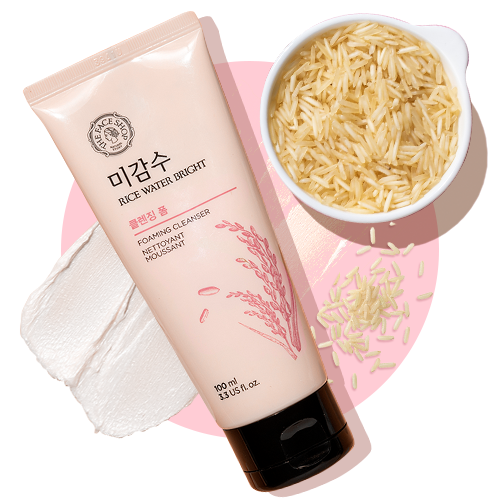
For a gentle yet effective cleanse before applying actives, consider The Face Shop Rice Water Bright Cleansing Foam, which is suitable for all skin types and helps prep your skin for better absorption.
3. Ingredients to Approach with Caution in India’s Climate
Some popular anti-aging actives can be too harsh or unsuitable for Indian skin, especially in our hot, humid, or polluted environments:
- High-strength Retinoids: While effective, they can cause irritation, peeling, and increased sensitivity to sunlight. Start with lower concentrations and use only at night.
- Strong AHAs (like Glycolic Acid above 10%): Can over-exfoliate, leading to barrier damage and pigmentation, especially on deeper skin tones.
- Alcohol-heavy formulas: May feel light but can worsen dryness and irritation in the long run.
Pro tip: Always patch test new actives and introduce them one at a time.
4. How to Layer Anti-Aging Actives for Maximum Results
Layering is key for effectiveness, but the order and combinations matter. Here’s a simple routine for Indian skin:
- Cleanser (gentle, non-stripping)
- Hydrating toner or essence
- Vitamin C serum (morning) or Niacinamide serum (evening)
- Peptide or Hyaluronic Acid serum
- Moisturiser (lightweight in summer, richer in winter)
- Sunscreen (SPF 30+ every morning)
Incorporate actives gradually - start with 2-3 times a week and increase as tolerated. This reduces the risk of irritation, especially in India’s fluctuating climate.
5. K-Beauty Anti-Aging Ingredients: Why They’re a Hit in India
K-beauty is popular in India for its focus on gentle, multi-step routines and innovative ingredients. Many K-beauty anti-aging actives, such as fermented extracts and Centella Asiatica, are well-suited to Indian skin because they hydrate, soothe, and brighten without causing sensitivity.
- Centella Asiatica (Cica): Calms redness and supports skin repair, ideal for those with sensitivity or pollution exposure.
- Rice Extract: Brightens and hydrates, helping combat dullness from pollution and sun.
You can explore a wide range of K-beauty anti-aging options in our Shop All collection, with products tailored for Indian skin needs.
6. Budgeting for Anti-Aging: INR Value and Smart Shopping Tips
Effective anti-aging doesn’t have to break the bank. Many high-performing serums and creams are available in India for INR 800–2000. Look for multi-tasking products - like a serum that combines Niacinamide and Hyaluronic Acid - to get more value per rupee.
- Check for combo offers, such as 2 at 1299, to save on essentials.
- Prioritise actives over fancy packaging - what matters is the ingredient list and concentration.
- Always compare price per ml to assess true value.
Remember, consistent use of a few well-chosen actives is more effective than splurging on many products.
7. Common Mistakes Indians Make with Anti-Aging Actives
Even the best ingredients can backfire if not used correctly. Here are frequent pitfalls:
- Skipping sunscreen: Many actives increase sun sensitivity. Without SPF, you risk more pigmentation and faster aging.
- Over-exfoliating: Using multiple acids or scrubs can damage the skin barrier, especially in hot or polluted cities.
- Mixing too many actives: This can cause irritation or cancel out benefits. Simpler routines are often better.
Always read product instructions and introduce new actives slowly.
8. Building a Routine for Fine Lines and Dryness: Real-Life Indian Examples
Let’s look at two common scenarios:
- Priya, 34, Mumbai: Struggles with fine lines and oily T-zone. She uses a gentle cleanser, Niacinamide serum in the morning, and a lightweight peptide cream at night. Regular sunscreen keeps pigmentation at bay.
- Arjun, 41, Delhi: Faces dryness and dullness due to winter and pollution. He layers Hyaluronic Acid serum under a richer moisturiser and adds Vitamin C in the morning for antioxidant protection.
Both routines are simple, affordable (under INR 2000/month), and focus on evidence-backed actives suitable for Indian conditions.
9. When to See a Dermatologist: Knowing Your Limits
While most anti-aging routines can be managed at home, see a dermatologist if you experience:
- Persistent irritation, redness, or peeling
- Sudden pigmentation changes
- No improvement after 3–4 months of consistent use
Professional advice is especially important for those with sensitive or reactive skin, or if you’re considering prescription-strength actives.
10. The Face Shop: Trusted K-Beauty for Indian Skin
The Face Shop offers a curated range of anti-aging essentials formulated with Indian skin in mind. From gentle cleansers to advanced serums, you’ll find products that combine K-beauty innovation with ingredients proven to work in India’s climate. Explore our collections for exclusive deals and bundles.
FAQ
Which anti-aging active is best for fine lines on Indian skin?
Niacinamide and peptides are excellent for reducing fine lines on Indian skin. They are gentle, effective, and suitable for our climate.
Can I use Vitamin C and Niacinamide together?
Yes, modern research shows they can be layered safely. Apply Vitamin C in the morning and Niacinamide in the evening for optimal results.
How do I prevent dryness when using anti-aging actives?
Use hydrating ingredients like Hyaluronic Acid and always follow with a moisturiser. Avoid alcohol-heavy or strong acid products.
Are K-beauty anti-aging products suitable for Indian skin?
Yes, many K-beauty products are formulated for sensitive and diverse skin types, making them ideal for Indian consumers.
How long before I see results from anti-aging actives?
Most people notice improvements in 4–8 weeks with consistent use. For deeper lines or pigmentation, it may take up to 3–4 months.