
Quick Summary
Is Centella Asiatica (Cica) the secret to glass skin for sensitive, pollution-exposed Indian skin? Dermatologists weigh in with science, practical tips, and real-world results.
Indian cities are notorious for their high pollution levels, which can wreak havoc on sensitive skin. The quest for 'glass skin' - that luminous, poreless look popularized by K-Beauty - seems daunting when your skin faces daily dust, heat, and irritants. Enter Centella Asiatica, or Cica, a hero ingredient praised for its soothing and barrier-repairing properties. But can Cica truly deliver glass skin for sensitive, pollution-exposed Indian skin? We asked dermatologists and examined the science to separate fact from myth.
1. What Is Cica and Why Is It Trending in Indian Skincare?
Cica, short for Centella Asiatica, is a medicinal herb long used in Ayurveda and now a K-Beauty staple. Its popularity in India has soared thanks to its reputation for calming irritation, reducing redness, and supporting skin repair. Dermatologists highlight that Cica is rich in madecassoside and asiaticoside, compounds shown to strengthen the skin barrier and reduce inflammation - crucial for Indian skin exposed to urban pollutants and harsh sun.
- India-specific fact: Cica is already familiar to many as 'Gotu Kola' in traditional remedies.
- Mini-checklist: Look for Cica in serums, creams, and masks, especially if your skin feels itchy or stings after a day outdoors.
2. How Does Pollution Affect Sensitive Indian Skin?
Delhi, Mumbai, and Bengaluru routinely rank among the world's most polluted cities. Dermatologists warn that fine particulate matter (PM2.5), vehicle emissions, and dust can trigger sensitivity, breakouts, and premature aging. Indian skin, often more melanin-rich, is prone to post-inflammatory hyperpigmentation after irritation.
- Studies in Indian metros show a 20% higher incidence of eczema and sensitivity during peak pollution months (source: Indian Journal of Dermatology).
- Pollution weakens the skin barrier, making it more reactive to common irritants.
3. Can Cica *Really* Help Achieve Glass Skin in India’s Climate?
Glass skin is about healthy, hydrated, and even-toned skin - not literal porelessness. Cica’s anti-inflammatory and barrier-repairing effects can help sensitive Indian skin recover from pollution-induced stress, making glass skin more attainable. However, dermatologists caution that Cica works best as part of a routine, not a miracle cure.
- Counterintuitive fact: Overusing actives like vitamin C or exfoliating acids in pursuit of glass skin can worsen sensitivity. Cica helps buffer these effects.
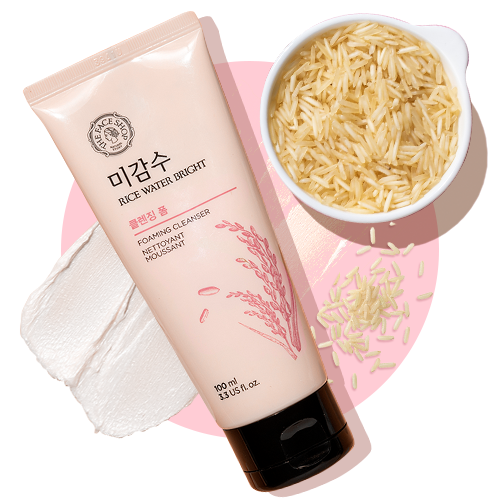
- Layering Cica with hydrating toners and gentle cleansers (like Rice Water Bright Cleansing Foam) boosts results.
4. What Are the Proven Benefits of Centella Asiatica for Sensitive Skin?
Peer-reviewed studies and dermatologist consensus highlight several Cica benefits for sensitive, pollution-exposed skin:
- Reduces redness and irritation after sun or pollution exposure.
- Speeds up skin barrier repair, reducing water loss (key for Indian summers and AC environments).
- Minimizes risk of post-inflammatory hyperpigmentation, a common concern for Indian skin tones.
- Safe for most skin types, including those prone to eczema or rosacea.
In India, Cica-based products are often priced between INR 800 and INR 1800, offering good value compared to imported alternatives.
5. How Should You Use Cica in a K-Beauty Routine for Pollution Defense?
For best results, dermatologists recommend integrating Cica into a multi-step routine tailored for Indian conditions:
- Gentle cleanse: Use a mild cleanser like Rice Water Bright Cleansing Foam to remove dust and PM2.5 without stripping.
- Hydrating toner: Apply a hydrating toner to prep skin and boost absorption.
- Cica serum or ampoule: Pat on a Cica-rich serum to calm and repair.
- Barrier cream: Lock in moisture with a ceramide-based cream, such as Ceramide & Rice Moisturizing Cream.
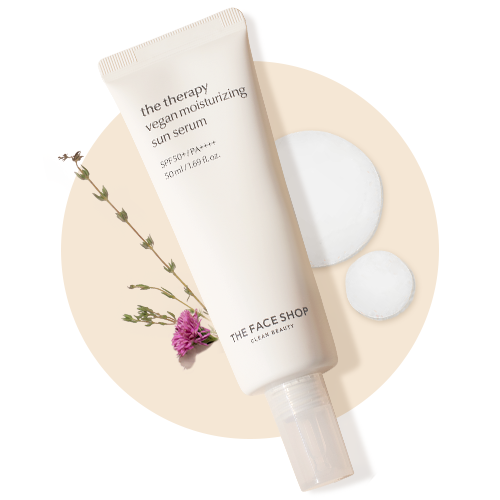
- Sunscreen: Never skip broad-spectrum SPF, even on cloudy or smoggy days.
Tip: For extra hydration, layer a Cica mask once or twice a week, especially after high-pollution days.
6. Are There Any Myths About Cica and Glass Skin?
Myth-busting is vital for informed choices:
-
Myth: Cica alone can transform your skin overnight.
Reality: Consistency and a holistic routine matter more than any single ingredient. -
Myth: Cica is only for sensitive skin.
Reality: While ideal for sensitivity, Cica benefits all skin types, especially in polluted Indian cities. -
Myth: Glass skin means zero pores.
Reality: Glass skin is about healthy, hydrated skin - not perfection.
7. What Are the Trade-Offs and Limitations of Using Cica?
While Cica is generally safe, dermatologists note:
- Results are gradual - expect visible improvement in 2-4 weeks with regular use.
- Some may experience mild breakouts if formulas contain heavy oils or silicones - always patch test.
- Cica is not a substitute for sunscreen or pollution shields.
- For severe eczema or allergies, consult a dermatologist before starting new products.
Cost tip: Many high-quality Cica products are available in India for under INR 1500, making them accessible for most urban consumers.
8. How to Choose the Right Cica Product for Indian Skin?
With a growing market, here’s how to pick wisely:
- Check for Centella Asiatica extract high on the ingredient list.
- Opt for lightweight gels or emulsions in humid cities; richer creams for drier climates or AC-heavy offices.
- Look for fragrance-free or low-fragrance options if your skin is highly reactive.
- Combine with a rice toner or ceramide moisturizer for optimal glass skin results.
Trusted stores like The Face Shop offer a curated range of Cica and barrier-boosting products suitable for Indian skin needs.
9. Realistic Expectations: What Results Can Indian Consumers Expect?
Most users report:
- Reduced redness and stinging within the first week.
- Smoother, more hydrated skin texture after 2-4 weeks.
- Gradual fading of dark spots and less visible irritation marks over 6-8 weeks.
Remember, glass skin is a journey - especially in India’s challenging climate. Consistency, gentle routines, and barrier care are key.
10. Expert Q&A: Dermatologists Answer Your Top Cica Questions
-
Q: Can I use Cica daily in my routine?
A: Yes, most Cica products are gentle enough for daily use. Start with once a day and increase as tolerated. -
Q: Will Cica help with acne caused by pollution?
A: Cica reduces inflammation and supports healing, but pair it with non-comedogenic cleansers and sunscreen for best results. -
Q: Is Cica safe for teenagers or older adults?
A: Yes, Cica is suitable for all ages, especially those with sensitive or reactive skin. -
Q: Can I combine Cica with actives like vitamin C or niacinamide?
A: Absolutely. Cica can help buffer irritation from stronger actives, making your routine more tolerable. -
Q: How do I know if a Cica product is working for me?
A: Look for less redness, smoother texture, and fewer flare-ups within a few weeks of consistent use.
For more guidance on building a routine for sensitive, pollution-exposed skin, explore our hydrating toner and barrier cream collections.
FAQ
Can I use Cica daily in my routine?
Yes, most Cica products are gentle enough for daily use. Start with once a day and increase as tolerated.
Will Cica help with acne caused by pollution?
Cica reduces inflammation and supports healing, but pair it with non-comedogenic cleansers and sunscreen for best results.
Is Cica safe for teenagers or older adults?
Yes, Cica is suitable for all ages, especially those with sensitive or reactive skin.
Can I combine Cica with actives like vitamin C or niacinamide?
Absolutely. Cica can help buffer irritation from stronger actives, making your routine more tolerable.
How do I know if a Cica product is working for me?
Look for less redness, smoother texture, and fewer flare-ups within a few weeks of consistent use.