
Quick Summary
Struggling with stubborn dark spots in India's humidity? Discover why they linger and how K-Beauty routines and ingredients can help you achieve a visibly even skin tone.
Understanding Dark Spots: Why They Linger on Indian Skin
Dark spots, or hyperpigmentation, are a common concern for Indian skin, especially in humid climates. Melanin-rich skin is more prone to post-inflammatory hyperpigmentation (PIH) from acne, sun exposure, or even minor injuries. In cities like Mumbai or Chennai, high humidity can make oiliness and sweat worse, leading to clogged pores and more breakouts - each one a potential new dark spot. According to clinical research, Indian skin produces more melanin as a protective response, making spots more stubborn and slower to fade.
Humidity's Hidden Impact: How India's Climate Affects Fading
Humidity doesn't just make you sweat - it can slow down your skin's natural renewal. Excess moisture and heat can increase oil production, leading to more frequent breakouts and PIH. Plus, high humidity can make sunscreen and skincare feel heavy, tempting many to skip crucial steps. This cycle keeps dark spots visible for longer. Dermatologists in India note that consistent routines and lightweight, non-comedogenic products are essential for progress in these conditions.
Common Mistakes: Why Your Current Routine Isn't Working
- Skipping sunscreen: Even indoors, UV rays can worsen pigmentation. Many Indians underestimate the need for daily SPF.
- Over-exfoliating: Aggressive scrubs or frequent acid use can irritate skin, triggering more melanin production.
- Using heavy creams: Thick moisturizers can clog pores in humid weather, leading to more breakouts and spots.
- Ignoring skin barrier health: Without barrier support, actives like acids or vitamin C can cause irritation, especially on sensitive skin.
For best results, focus on gentle, hydrating, and barrier-supportive products tailored for Indian climates.
K-Beauty's Approach: Gentle Yet Effective Solutions
K-Beauty routines are designed for gradual, visible results without harshness. They emphasize layering lightweight products, gentle exfoliation, and barrier repair. For Indian skin, this means less irritation and more even tone over time. Ingredients like niacinamide, rice extract, and snail mucin are popular for their brightening and soothing effects. K-Beauty also prioritizes double cleansing, which is especially helpful for removing sweat, sunscreen, and pollution in Indian cities.
Step-by-Step: A K-Beauty-Inspired Routine for Fading Dark Spots
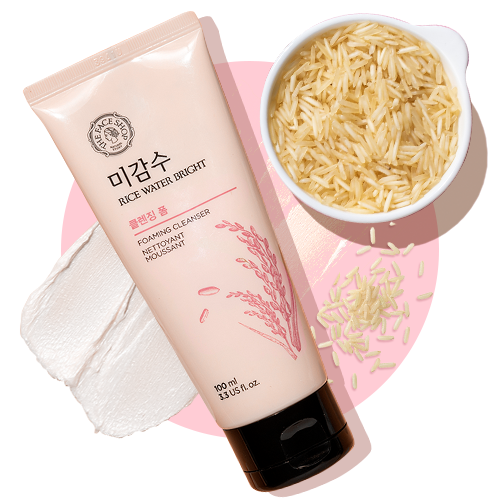
- Double cleanse: Start with an oil cleanser like Rice Water Bright Light Cleansing Oil to dissolve sunscreen and impurities, followed by a gentle foaming cleanser.
- Hydrating toner: Look for alcohol-free formulas with hyaluronic acid or rice extract to prep skin without stickiness.
- Targeted serum: Use a serum with niacinamide, vitamin C, or licorice root - proven to fade spots and brighten skin.
- Barrier repair emulsion: Lightweight moisturizers like Ceramide & Rice Lightweight Emulsion for Barrier Repair support healing without heaviness.
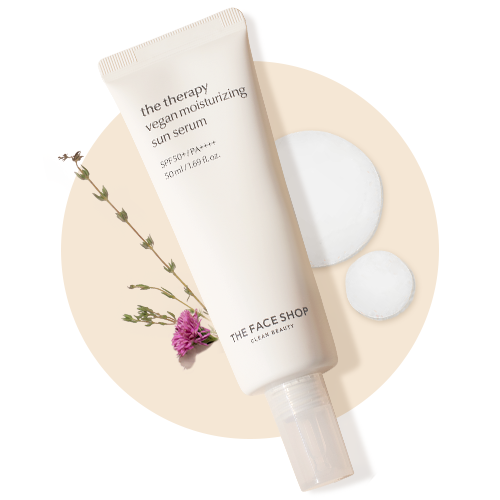
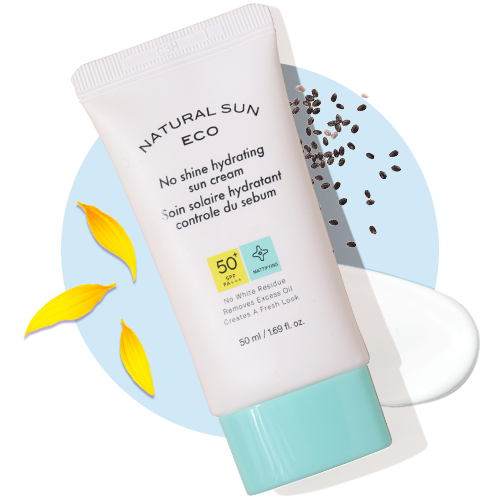
- SPF (AM only): Always finish with a broad-spectrum sunscreen, even on cloudy days.
- Weekly sheet masks: Incorporate brightening masks from the Masksheets collection for an extra boost.
Patch test new actives and introduce one at a time, especially if your skin is sensitive.
Ingredient Spotlight: What Actually Works for Indian Skin?
- Niacinamide: Reduces dark spots and strengthens the skin barrier. Studies show visible improvement in 8-12 weeks.
- Rice extract: Traditional in Asian skincare, it gently brightens and soothes, making it ideal for Indian skin prone to irritation.
- Lactic acid: Gentler than glycolic acid, it exfoliates and fades pigmentation without causing excessive dryness - important in humid weather.
- Snail mucin: Hydrates and supports healing, helping fade old marks and prevent new ones.
These ingredients are well-tolerated by most Indian skin types and are often found in K-Beauty formulas.
Barrier Repair: The Overlooked Step for Sensitive Indian Skin
Many actives can irritate sensitive skin, especially in the heat and humidity of India. K-Beauty emphasizes barrier repair with ceramides and lightweight emulsions. Products like Ceramide & Rice Lightweight Emulsion for Barrier Repair help lock in moisture without clogging pores. If you notice stinging, redness, or increased sensitivity, pause actives and focus on hydration and barrier support for a week before reintroducing treatments.
Sheet Masks: Instant Relief and Brightening for Humid Days
Sheet masks are a K-Beauty staple and offer quick relief from heat and dullness. In India, where pollution and sweat can leave skin tired, using a brightening mask from the Masksheets collection once or twice a week can boost hydration and luminosity. Look for masks with rice, vitamin C, or licorice extract for best results. At around INR 100-200 per mask, they offer visible benefits without a big investment.
Realistic Expectations: How Long Until You See Results?
Fading dark spots is a gradual process. On average, visible improvement takes 8-12 weeks with consistent use of targeted ingredients. Factors like sun exposure, hormonal changes, and skin sensitivity can affect results. In India's climate, patience and routine are key. If you don't see progress after three months, consult a dermatologist for advanced options.
Choosing the Right Products: Value and Safety in the Indian Market
- Check for authenticity: Buy from trusted stores like The Face Shop to avoid counterfeit products.
- Value for money: Many K-Beauty products offer high-quality actives at INR 800-1500, making them accessible for most budgets.
- Patch test: Always test new products on a small area to check for reactions, especially if you have sensitive skin.
- Look for multi-taskers: Products that hydrate, brighten, and repair can streamline your routine and save money.
Remember, the best routine is one you can stick to daily, even in India's challenging climate.
FAQs: Your Top Questions About Dark Spots and K-Beauty in India
- 1. Can I use K-Beauty products if I have oily, acne-prone skin?
- Yes, many K-Beauty products are lightweight and non-comedogenic, making them suitable for oily and acne-prone Indian skin. Look for gel-based or emulsion formulas.
- 2. How often should I exfoliate to fade dark spots?
- For most Indian skin types, exfoliating 1-2 times a week with a gentle acid like lactic acid is enough. Over-exfoliation can worsen pigmentation.
- 3. Are sheet masks effective for hyperpigmentation?
- Sheet masks provide a temporary boost in hydration and brightness. For lasting results, combine them with serums and daily SPF.
- 4. What should I do if my skin gets irritated by actives?
- Stop using actives immediately and focus on barrier repair with ceramide-rich moisturizers. Resume actives slowly after your skin calms down.
- 5. Is sunscreen really necessary indoors in India?
- Yes, UV rays can penetrate windows and worsen dark spots. Daily sunscreen is essential for fading pigmentation, even indoors.
FAQ
Can I use K-Beauty products if I have oily, acne-prone skin?
Yes, many K-Beauty products are lightweight and non-comedogenic, making them suitable for oily and acne-prone Indian skin. Look for gel-based or emulsion formulas.
How often should I exfoliate to fade dark spots?
For most Indian skin types, exfoliating 1-2 times a week with a gentle acid like lactic acid is enough. Over-exfoliation can worsen pigmentation.
Are sheet masks effective for hyperpigmentation?
Sheet masks provide a temporary boost in hydration and brightness. For lasting results, combine them with serums and daily SPF.
What should I do if my skin gets irritated by actives?
Stop using actives immediately and focus on barrier repair with ceramide-rich moisturizers. Resume actives slowly after your skin calms down.
Is sunscreen really necessary indoors in India?
Yes, UV rays can penetrate windows and worsen dark spots. Daily sunscreen is essential for fading pigmentation, even indoors.