
Quick Summary
Struggling with dark spots despite a K-beauty routine? Discover why Indian climate factors like humidity and pollution make pigmentation stubborn, and how to finally achieve an even-toned 'glass skin' glow.
Ever wondered why, despite your dedication to a K-beauty routine, those stubborn dark spots just won’t fade? If you’re in India, the answer lies not just in your products, but in the unique climate and skin biology you’re working with. This guide unpacks the real reasons behind persistent pigmentation and shares practical, India-specific strategies to finally unlock that coveted 'glass skin' glow.
1. The Indian Skin & Climate Equation: Why Pigmentation Persists
Indian skin is naturally rich in melanin, which offers some sun protection but also makes it more prone to hyperpigmentation and dark spots. Add in India’s high humidity, intense sun, and pollution, and you’ve got a recipe for stubborn unevenness. Studies show that urban Indian women report higher rates of pigmentation issues compared to global averages (see source).
- Humidity: Traps sweat and pollutants, clogging pores and worsening post-inflammatory hyperpigmentation (PIH).
- Pollution: Increases oxidative stress, triggering melanin production and dark spots.
- Sun Exposure: Even short bursts can deepen existing spots, especially in tropical climates.
Tip: Always tailor your routine to your local weather and pollution levels. What works in Seoul may not work in Mumbai or Chennai.
2. K-Beauty’s Promise vs. Indian Reality: Where Routines Fall Short
K-beauty is famous for its multi-step routines and gentle, hydrating formulas. But Indian skin’s needs are different. Many routines focus on hydration and barrier repair, but may not address the deeper pigmentation caused by India’s environment.
- Common mistake: Over-layering hydrating products without targeted actives for pigmentation.
- Reality check: Glass skin isn’t just about glow; it’s about even tone, which requires specific brightening ingredients.
To see real change, Indian consumers need to adapt K-beauty steps to include potent, melanin-safe brighteners and pollution-fighting antioxidants.
3. Ingredient Spotlight: What Actually Works for Indian Pigmentation?
Not all brightening ingredients are created equal, especially for melanin-rich skin. Here’s what to look for:
- Niacinamide: Reduces melanin transfer, safe for daily use, and helps with oil control in humid weather.
- Vitamin C (Stable forms): Fights oxidative stress from pollution and lightens dark spots. Look for serums with ascorbyl glucoside or magnesium ascorbyl phosphate for better stability in heat.
- Alpha Arbutin: Gentle yet effective for fading stubborn pigmentation without irritation.
- Snail Mucin: Repairs skin and supports even tone, especially helpful for post-acne marks.
For a practical start, try the White Seed Brightening Serum 30ml; it’s formulated with brightening actives suitable for Indian skin and climate.
4. Cleansing: The First Line of Defense Against Pollution & Spots
In India’s cities, cleansing is more than just removing makeup. It’s about clearing away pollution particles, sweat, and sunscreen that can trigger pigmentation. Double cleansing is a K-beauty staple, but it’s especially crucial here.
- Oil-based cleanser: Melts away sunscreen and pollution. The Rice Water Bright Light Cleansing Oil 150ml is gentle yet effective.
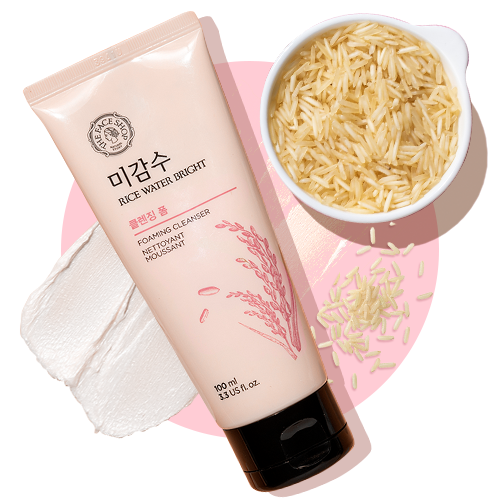
- Foaming cleanser: Removes leftover debris without stripping. Try the Rice Water Bright Cleansing Foam 100 ml for a fresh, non-drying finish.
Checklist: Cleanse twice daily, especially after outdoor exposure. Always follow with hydration to prevent over-drying.
5. Hydration vs. Humidity: Getting the Balance Right
Many Indians skip moisturizer in summer, fearing greasiness. But dehydrated skin can produce more oil and worsen pigmentation. The trick is to choose lightweight, non-comedogenic hydrators that suit humid climates.
- Look for gel-based or water-based moisturizers with hyaluronic acid or glycerin.
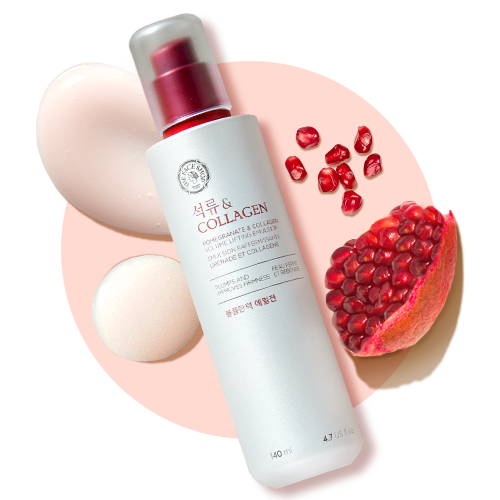
- Layer hydration with a mist or essence for plumpness without heaviness.
- Consider products from the 2 at 799 collection for value-driven hydration options.
Hydrated skin reflects light better, making dark spots less visible and helping you achieve that glass skin sheen.
6. SPF: The Non-Negotiable Step for Every Indian Routine
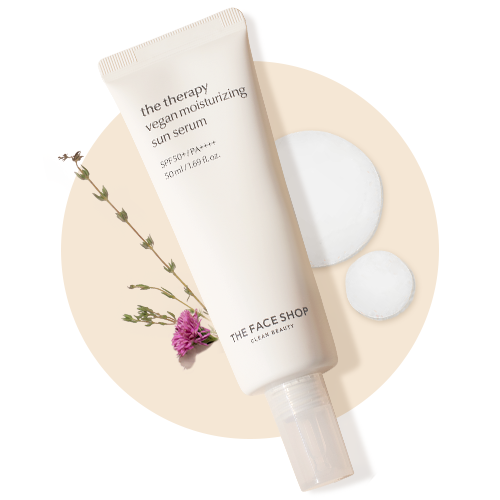
Sun exposure is the number one cause of pigmentation in India. Even the best brightening serums won’t work if you skip sunscreen. Choose broad-spectrum SPF 30+ that’s sweat-resistant and lightweight.
- Apply generously every morning, even indoors; UVA rays penetrate windows.
- Reapply every 2-3 hours if outdoors or during commutes.
- Pair with antioxidants (like vitamin C) for extra protection against pollution-induced pigmentation.
Remember, sunscreen is the cheapest insurance for your glass skin goals. Many Indian dermatologists cite daily SPF as the most effective anti-pigmentation step.
7. Seasonal Tweaks: Adapting Your Routine for Indian Weather Swings
India’s climate changes dramatically between summer, monsoon, and winter. Your routine should flex accordingly:
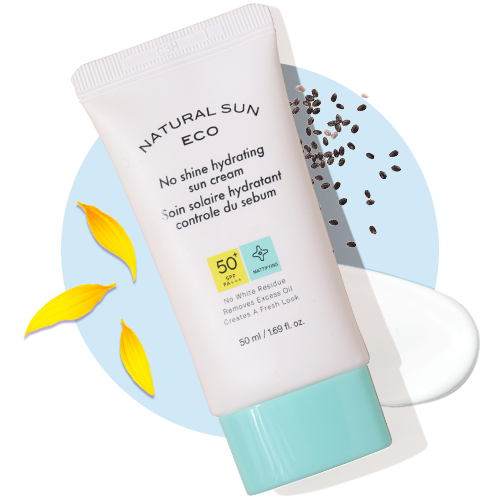
- Summer: Focus on oil control, lightweight hydration, and mattifying SPF.
- Monsoon: Prioritize anti-fungal, non-comedogenic products to prevent breakouts and PIH.
- Winter: Add richer creams and barrier-repair serums to combat dryness and dullness.
Pro tip: Track how your skin responds to weather changes and adjust actives (like exfoliants or retinoids) to avoid over-sensitizing.
8. Realistic Results: What to Expect (and What Not To)
Even with the best routine, fading dark spots takes time; usually 8-12 weeks for visible improvement. Factors like genetics, hormones, and ongoing sun exposure can slow progress.
- Set realistic goals: Aim for gradual brightening, not overnight transformation.
- Monitor progress with photos in consistent lighting.
- If spots persist, consult a dermatologist for prescription options.
Remember, glass skin is about healthy, even-toned radiance; not perfection. Consistency, patience, and climate-smart choices are your best allies.
9. Budgeting for Glass Skin: Value-Driven Choices in INR
Achieving glass skin doesn’t require a 10-step routine or premium imports. Focus on essentials: a gentle cleanser, brightening serum, lightweight moisturizer, and SPF. Many effective K-beauty products are now available in India at accessible price points (often under INR 1,000 per step).
- Look for combo offers or curated sets in the New B2g1 collection for added value.
- Invest in targeted treatments (like serums) rather than duplicating similar steps.
Smart spending means more consistent use; the real secret to results.
10. Common Mistakes: Why Your Spots Might Still Linger
Even with good products, some habits can sabotage your progress:
- Skipping sunscreen or not reapplying during the day.
- Over-exfoliating, which can trigger rebound pigmentation.
- Using harsh DIY remedies (like lemon juice) that irritate Indian skin.
- Ignoring lifestyle factors: stress, poor sleep, and diet can all worsen pigmentation.
Mini-checklist: Stick to gentle, proven actives, protect your skin daily, and avoid quick-fix hacks that promise instant results.
Conclusion: Your Glass Skin Journey, Indian Edition
Dark spots are a stubborn reality for many Indians, but with climate-smart routines, targeted K-beauty ingredients, and consistent protection, even-toned glass skin is within reach. Adapt, persist, and celebrate every small win on your journey to luminous, healthy skin.
FAQ
Why do dark spots persist on Indian skin even with K-beauty routines?
Indian skin is more prone to pigmentation due to higher melanin content and is exposed to intense sun, humidity, and pollution. Standard K-beauty routines may not include enough targeted brightening actives or SPF, which are essential for Indian conditions.
What are the best ingredients for fading dark spots on Indian skin?
Niacinamide, stable forms of vitamin C, alpha arbutin, and snail mucin are effective and safe for melanin-rich Indian skin. These ingredients help reduce melanin transfer, fight pollution-induced stress, and repair the skin barrier.
How long does it take to see results from a glass skin routine for pigmentation?
Visible improvement in dark spots typically takes 8-12 weeks with consistent use of targeted products and daily SPF. Results may vary based on genetics, hormones, and sun exposure.
Should I skip moisturizer in humid Indian weather?
No. Skipping moisturizer can lead to dehydration and increased oil production. Instead, choose lightweight, gel-based hydrators that suit humid climates and help maintain an even skin tone.
What is the most common mistake Indians make when treating dark spots?
The most common mistake is neglecting sunscreen or using harsh DIY remedies. Both can worsen pigmentation. Consistent SPF and gentle, proven actives are key.