
Quick Summary
Discover why dark spots persist on Indian skin despite K-Beauty routines, and learn evidence-based steps to achieve even-toned, glass skin in India’s unique climate.
Many Indian skincare enthusiasts invest in K-Beauty routines, hoping for that luminous, even-toned 'glass skin' look. Yet, stubborn dark spots and uneven tone often persist. Why do these marks linger, and what can you do differently to finally see results in India’s unique climate and skin context? This evidence-based guide unpacks the science, busts common myths, and gives you a practical, stepwise plan for real transformation.
Why Indian Skin Holds Onto Dark Spots: The Melanin Factor
Indian skin is naturally rich in melanin, which offers some sun protection but also means it reacts strongly to inflammation and injury. This makes post-inflammatory hyperpigmentation (PIH) the dark marks left after acne or irritation more common and persistent. Studies show that Indian skin can take 3-6 months or longer to fade dark spots, compared to lighter skin tones. The hot, humid, and polluted Indian environment can further aggravate pigmentation by triggering more melanin production.
- Key fact: Even minor pimples or scratches can leave marks for months.
- Tip: Early intervention and gentle care are crucial for Indian skin.
Why K-Beauty Alone Isn’t Enough for Indian Hyperpigmentation
K-Beauty routines are famous for their gentle, hydrating approach. However, many classic K-Beauty products are formulated for East Asian skin, which typically has less melanin and different environmental exposures. Indian skin needs:
- Stronger sun protection due to intense UV exposure
- Barrier-repair ingredients to combat pollution and humidity
- Actives that target melanin production without causing irritation
Simply layering hydrating essences or sheet masks may not address the root causes of persistent dark spots in India.
Common Indian Home Remedies: Helpful or Harmful?
Many Indian households rely on home remedies like lemon juice, turmeric, or baking soda for dark spots. While some ingredients (like turmeric) have mild anti-inflammatory benefits, others can worsen pigmentation:
- Lemon juice: Highly acidic, can burn or irritate skin, increasing PIH risk.
- Baking soda: Disrupts skin’s pH, weakens barrier, and may trigger more dark spots.
- Turmeric: Safe in small amounts but may stain skin and clothes.
Expert insight: Dr. Priya Sharma, a board-certified dermatologist in Mumbai, cautions, “Indian skin is sensitive to irritation. Home remedies can backfire, so stick to evidence-based products.”
Choosing the Right Actives: What Actually Fades Dark Spots on Indian Skin?
Not all brightening ingredients are created equal. Here’s how the most popular actives stack up for Indian skin:
| Ingredient | Effectiveness | Irritation Risk | Best Use |
|---|---|---|---|
| Niacinamide (5-10%) | High | Low | Daily serum or moisturizer |
| Alpha Arbutin (2-3%) | High | Low | Spot treatment or serum |
| Kojic Acid (1-2%) | Moderate | Medium | Short-contact mask/serum |
| Vitamin C (SAP/MAP) | Moderate | Low | AM serum |
| Azelaic Acid (10-20%) | High | Low | Daily or alternate days |
Pro tip: Start with low concentrations and patch test. Layering niacinamide with alpha arbutin is gentle yet effective for most Indian skin types.
Barrier Repair: The Missing Step in Most Routines
Many people focus only on actives, but a compromised skin barrier slows down fading and increases irritation risk. Indian cities’ pollution, hard water, and frequent cleansing can strip the skin. Look for products with ceramides, panthenol, and rice extracts to restore and protect your barrier.
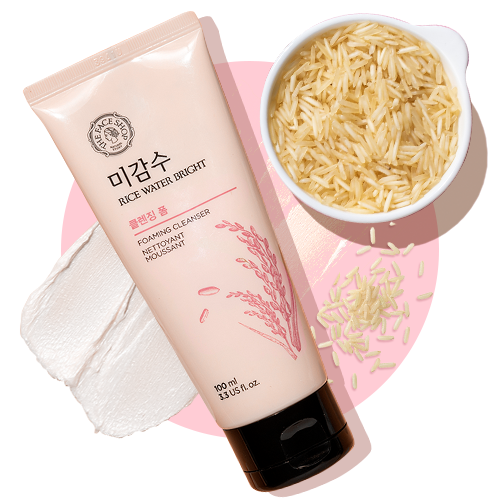
- Try a gentle cleanser like Rice Water Bright Cleansing Foam for effective yet mild cleansing.
- Follow with a hydrating toner such as Ceramide & Rice Moisturizing Toner to lock in moisture and support barrier repair.
Barrier-first routines reduce irritation from actives and help your skin recover faster.
Sun Protection: The Non-Negotiable Step for Indian Skin
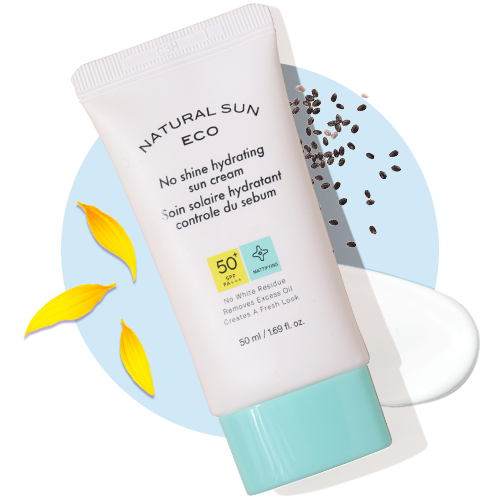
Without daily sunscreen, even the best K-Beauty actives will not fade dark spots. Indian UV levels are among the highest globally, and even indoor light can worsen pigmentation. Choose a broad-spectrum sunscreen (SPF 30 or higher) and reapply every 2-3 hours, especially if you commute or work near windows.
- Budget tip: Sunscreens in India range from INR 300 to INR 1500. Prioritize texture and reapplication over price.
- Checklist: Non-comedogenic, sweat-resistant, and no white cast for Indian skin tones.
Layering for Glass Skin: Stepwise Routine for Even Tone
Here’s a practical, India-adapted K-Beauty routine for fading dark spots and achieving glass skin:
- Gentle Cleanser: Use Rice Water Bright Cleansing Foam to remove dirt and pollution without stripping skin.
- Hydrating Toner: Apply Ceramide & Rice Moisturizing Toner for barrier support.
- Targeted Serum: Layer a niacinamide or alpha arbutin serum for brightening.
- Moisturizer: Choose a lightweight, non-greasy formula with ceramides or hyaluronic acid.
- Sunscreen: Finish with a broad-spectrum SPF 30+ every morning.
For extra glow, add a hydrating sheet mask 1-2 times a week. Adapt routine steps based on season: lighter layers in summer, richer creams in winter.
What to Expect: Timelines, Trade-Offs, and Realistic Results
Fading dark spots on Indian skin is a marathon, not a sprint. Most people see visible improvement in 8-12 weeks with consistent care. Trade-offs include:
- Patience: Quick fixes (like harsh peels) can worsen PIH.
- Investment: Quality actives and sunscreen may cost INR 500-2000 monthly, but prevent future spots.
- Consistency: Skipping sunscreen or overusing actives delays results.
Remember, 'glass skin' is about healthy, hydrated, even-toned skin not perfection. Celebrate small wins and adjust your routine as needed.
Beyond Products: Lifestyle Tweaks for Even Tone in India
Skincare is only part of the solution. For best results:
- Eat anti-inflammatory foods common in Indian diets (like turmeric, leafy greens, and lentils).
- Manage stress, as cortisol spikes can worsen pigmentation.
- Limit direct sun exposure and wear hats or scarves outdoors.
- Cleanse skin after exposure to pollution or sweat.
Small daily habits can amplify your routine’s results and help maintain your glow.
Smart Shopping: How to Choose K-Beauty for Indian Skin
When browsing K-Beauty in India, look for:
- Products with clear ingredient lists (avoid unknown 'whitening' agents).
- Formulas tested for sensitive or melanin-rich skin.
- Value packs or bundles, such as those in the 2 at 799 collection, to maximize savings.
Buy from trusted retailers like The Face Shop to ensure authenticity and quality.
Summary: Your Path to Even-Toned Glass Skin in India
- Understand why Indian skin holds onto dark spots longer.
- Choose gentle, evidence-backed actives and prioritize barrier repair.
- Never skip sunscreen it’s your best defense against new spots.
- Layer your routine for hydration and protection, adapting for India’s climate.
- Combine smart product choices with healthy lifestyle tweaks.
With patience and the right approach, glass skin is achievable for Indian skin even if you’ve struggled with dark spots for years.
FAQ
How long does it take to fade dark spots on Indian skin?
Most people see improvement in 8-12 weeks with consistent use of gentle actives and daily sunscreen. Some marks may take longer depending on depth and skin type.
Can I use K-Beauty products if I have sensitive Indian skin?
Yes, but choose fragrance-free, alcohol-free formulas and patch test new products. Focus on barrier-repairing ingredients like ceramides and rice extracts.
Are home remedies like lemon juice safe for dark spots?
No. Lemon juice and other acidic remedies can irritate Indian skin and worsen pigmentation. Stick to dermatologist-recommended actives.
Do I need to use sunscreen indoors in India?
Yes. UV rays penetrate windows and can trigger pigmentation even indoors. Apply broad-spectrum sunscreen daily, regardless of your location.
What is the best K-Beauty routine for glass skin in India?
Start with a gentle cleanser, hydrating toner, brightening serum (like niacinamide), lightweight moisturizer, and daily sunscreen. Adjust layers based on season and skin needs.