
Quick Summary
Struggling with stubborn dark spots? Discover how India’s pollution damages your skin barrier, why this blocks ‘glass skin’ results, and how K-Beauty actives like ceramides and rice extract can help.
Many Indians invest in brightening serums and spot correctors, yet stubborn dark spots linger. If you’re frustrated by slow results, the hidden culprit may be closer than you think: pollution. In India’s urban environments, air pollution silently damages your skin barrier, making it harder for even the best K-Beauty actives to deliver that coveted ‘glass skin’ glow. Let’s break down why barrier repair is the missing step, and how you can finally see lasting results.
1. The Real Reason Dark Spots Persist in Indian Cities
India’s air quality ranks among the world’s worst, especially in metros like Delhi, Mumbai, and Kolkata. According to the World Air Quality Report, PM2.5 levels in these cities regularly exceed safe limits. These microscopic pollutants penetrate the skin, causing oxidative stress and inflammation. This not only triggers new pigmentation but also weakens your skin’s natural barrier, making it less able to heal existing dark spots.
- Fact: Studies show that people living in high-pollution areas in India have up to 20% more visible pigmentation than those in cleaner regions.
- Counterintuitive: Even if you use sunscreen and brightening actives, a compromised barrier means your skin can’t fully benefit from them.
2. How Pollution Damages the Skin Barrier (and Why It Matters)
Your skin barrier is like a shield, locking in moisture and keeping irritants out. Pollution particles, especially PM2.5 and heavy metals, break down this shield by generating free radicals. This leads to:
- Increased water loss (dehydration)
- Heightened sensitivity and redness
- Slower healing of post-acne marks and dark spots
In India’s humid summers and dry winters, this barrier breakdown is even more pronounced. Without a healthy barrier, even the most potent brightening ingredients can irritate or underperform.
3. Why Traditional Brightening Actives Alone Aren’t Enough
Popular ingredients like Vitamin C, Niacinamide, and Alpha Arbutin are proven to fade pigmentation. However, if your barrier is compromised, these actives can:
- Cause stinging or redness, especially on Indian skin types III-V
- Lead to patchy results or even worsen pigmentation (post-inflammatory hyperpigmentation)
Tip: If your skin feels tight, flaky, or stings when you apply serums, it’s a sign your barrier needs attention first.
4. The K-Beauty Barrier Repair Approach: Ceramides & Rice Extract
K-Beauty routines emphasize barrier-first care. Two hero ingredients stand out for Indian skin:
- Ceramides: These lipids restore the skin’s protective layer, reducing sensitivity and water loss. They’re especially effective after pollution exposure.
- Rice Extract: Rich in antioxidants and amino acids, rice extract soothes inflammation and gently brightens. It’s been used for centuries in Asian skincare for even tone.
For example, The Face Shop Ceramide & Rice Lightweight Emulsion offers both in a lightweight formula ideal for India’s climate. At around INR 900–1200, it delivers barrier repair and gentle brightening in one step - excellent value compared to layering multiple products.
5. Step-by-Step Routine: Repair First, Brighten Second
To maximize results, follow this routine:
- Gentle Cleanser: Avoid harsh foaming cleansers that strip the barrier.
- Barrier Repair Emulsion: Apply a ceramide and rice extract emulsion to damp skin.
- Targeted Brightening Serum: Once your barrier feels comfortable (no stinging), introduce actives like Niacinamide or Vitamin C 2–3 times a week.
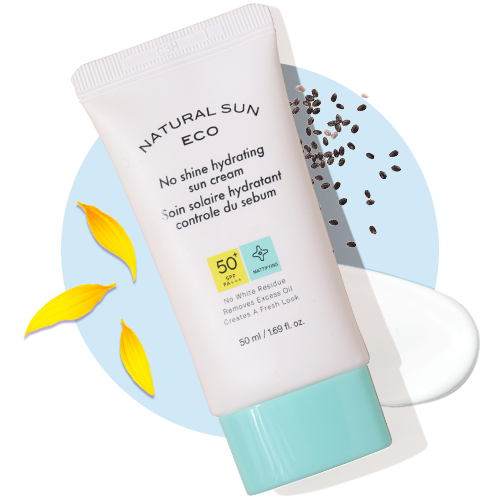
- Broad-Spectrum Sunscreen: Essential for preventing new spots, especially with India’s high UV index.
Consistency is key. Most Indian users see visible improvement in 6–8 weeks when following this sequence.
6. Pollution-Proofing Your Routine: Practical Tips for Indian Lifestyles
- Double cleanse at night if you commute or spend time outdoors.
- Use antioxidant serums (like Vitamin C) in the morning to neutralize pollution damage.
- Reapply sunscreen every 2–3 hours, especially in peak summer months.
- Barrier repair at night with ceramide-rich moisturizers for overnight recovery.
For oily or combination skin, look for lightweight, non-comedogenic formulas. Explore our All Skin Types collection for options suited to Indian weather.
7. Realistic Results: What to Expect (and What Not To)
Even with the best products, some pigmentation - like deep melasma or old acne marks - may take months to fade. Genetics, hormones, and ongoing pollution exposure all play a role. However, repairing your barrier first will:
- Reduce new pigmentation from forming
- Make brightening actives more effective
- Improve overall skin texture and glow
Limitation: For severe or resistant pigmentation, consult a dermatologist for prescription options.
8. Value for Money: Investing in Barrier Repair for Lasting Results
Many Indian consumers spend INR 2000–4000 on multiple serums without seeing results. By prioritizing barrier repair, you may need fewer products overall. For example, a single bottle of Ceramide & Rice Lightweight Emulsion for Barrier Repair 150ml (Exclusive) lasts 2–3 months and supports both barrier and brightening goals. This approach is not only more effective but also more economical in the long run.
9. Mini-Checklist: Is Your Skin Barrier Healthy?
- Skin feels comfortable, not tight or itchy after cleansing
- No stinging when applying serums
- Minimal redness or flaking
- Dark spots are gradually fading, not getting worse
If you answered “no” to any, focus on barrier repair for 2–4 weeks before restarting strong actives.
10. Next Steps: Building Your Pollution-Resilient Glass Skin Routine
Ready to take control? Start with a barrier-repairing emulsion, add brightening actives gradually, and always protect with sunscreen. For trial sizes or value sets, check our Trial Store for affordable ways to test what works for your skin.
Remember: In India’s unique climate, glass skin is possible - but only if you repair what pollution breaks down first.
FAQ
Why do my dark spots keep coming back even after using brightening serums?
In India, high pollution levels can damage your skin barrier, making it harder for brightening actives to work and causing new pigmentation to form. Repairing your barrier first helps lock in results.
How do I know if my skin barrier is damaged?
Signs include stinging when applying products, redness, flakiness, and a tight feeling after cleansing. If you notice these, focus on barrier repair for a few weeks.
Can I use Vitamin C and ceramides together?
Yes, apply ceramide-rich products first to strengthen your barrier, then layer Vitamin C serum. This combination is safe and effective for most Indian skin types.
How long does it take to see results with barrier repair?
Most users in India notice calmer, more resilient skin in 2–4 weeks, with fading of dark spots in 6–8 weeks when following a barrier-first routine.
Are these routines suitable for oily or combination skin in Indian weather?
Absolutely. Choose lightweight, non-comedogenic barrier repair products and always use sunscreen. Our All Skin Types collection has options for every skin type.