
Quick Summary
Delhi’s pollution can dull and spot even the most resilient Indian skin. Discover evidence-backed Korean actives and routines to restore a glass skin glow—safely, even for sensitive skin.
Delhi’s air pollution is notorious for making even the healthiest skin appear dull, uneven, and prone to dark spots. If you have sensitive skin, the challenge is even greater. But with the right Korean beauty (K-Beauty) actives and a tailored routine, you can still achieve that coveted 'glass skin' glow - without irritation. Here’s a practical, evidence-led guide for Indian skin in Delhi’s harsh environment.
1. Why Delhi’s Pollution Wreaks Havoc on Sensitive Indian Skin
Delhi’s PM2.5 levels often exceed safe limits, exposing your skin to fine particulate matter, heavy metals, and oxidative stress. Studies from NCBI confirm that pollution accelerates dullness, pigmentation, and sensitivity - especially for Indian skin tones prone to post-inflammatory hyperpigmentation (PIH).
- Fact: In 2023, Delhi’s average AQI was over 200 for 60+ days, among the world’s worst.
- Counterintuitive: Pollution particles are smaller than pores, so even indoor days don’t guarantee safety.
- Tip: Sensitive skin reacts faster to pollution, often with redness, itching, or new spots.
2. The Science: How Pollution Triggers Dullness & Dark Spots
Pollution generates free radicals that break down collagen, disrupt the skin barrier, and trigger melanin production. This means:
- Increased dullness and uneven tone
- More frequent dark spots, especially after acne or irritation
- Heightened sensitivity and stinging
Indian dermatologists note that pollution-induced pigmentation is harder to fade on deeper skin tones. That’s why a proactive, gentle routine is essential.
3. K-Beauty’s Secret Weapons: Actives That Work in Delhi’s Air
Korean skincare is globally renowned for its gentle yet effective actives. For Delhi’s pollution and sensitive Indian skin, these ingredients stand out:
- Niacinamide: Brightens, strengthens the barrier, and reduces dark spots. Well-tolerated by sensitive skin.
- Centella Asiatica (Cica): Soothes irritation and repairs pollution-damaged skin.
- Snail Mucin: Deeply hydrates and supports healing, giving that signature glass skin effect.
- Hyaluronic Acid: Attracts moisture without heaviness - ideal for Delhi’s humidity and pollution.
- Vitamin C (gentle formulations): Fights free radicals and fades spots, but choose low concentrations for sensitive skin.
Look for these actives in serums and essences designed for sensitive skin. Always patch-test new products.
4. The Pollution-Proof K-Beauty Routine: Step-by-Step for Sensitive Skin
Here’s a simple, effective routine tailored for Delhi’s environment and Indian skin:
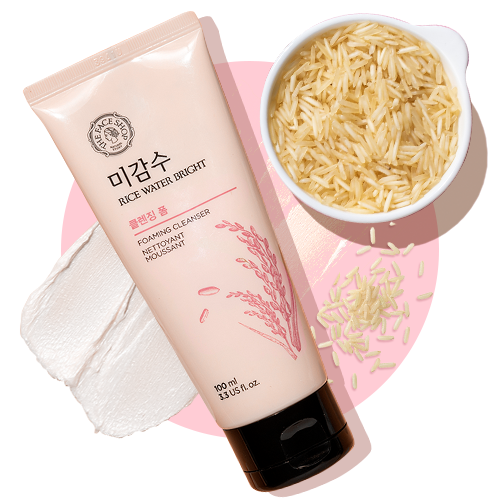
- Double Cleanse (PM): Start with a gentle oil cleanser like Rice Water Bright Light Cleansing Oil to remove pollution particles, followed by a mild foaming cleanser. This prevents clogged pores and irritation.
- Hydrating Toner: Choose alcohol-free, hyaluronic acid-rich toners to replenish moisture lost to pollution.
- Serum with Niacinamide or Cica: These target dullness and sensitivity without stinging.
- Lightweight Moisturizer: Gel-based creams lock in hydration without heaviness, perfect for humid Delhi nights.
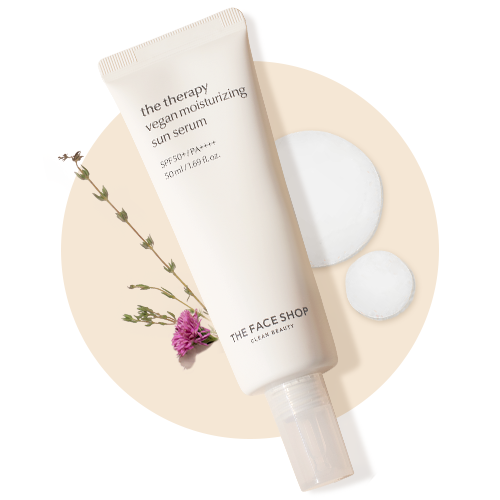
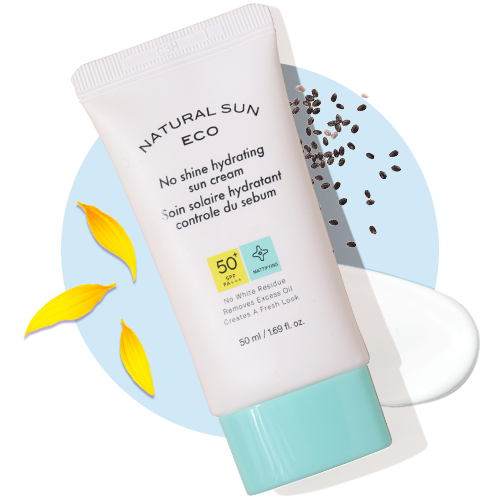
- Broad-Spectrum Sunscreen (AM): Pollution increases sun sensitivity, so daily SPF is non-negotiable - even indoors.
Mini-checklist for sensitive skin:
- Introduce one new product at a time
- Patch test behind the ear or jawline
- Avoid harsh scrubs or strong acids
5. Ingredient Spotlight: Why Niacinamide & Cica Are Game Changers
Niacinamide (vitamin B3) is a dermatologist favorite for Indian skin. It reduces pigmentation, strengthens the barrier, and calms redness - all without irritation. Studies show 5% niacinamide can visibly fade dark spots in 8-12 weeks.
Centella Asiatica (Cica) is another hero, especially for sensitive skin exposed to pollution. It’s rich in madecassoside, which soothes, repairs, and protects against environmental stressors.
Both actives are affordable in India, with serums starting around INR 500-1200. Look for multi-active formulas to maximize value.
6. Snail Mucin & Hyaluronic Acid: The Hydration Duo for Glass Skin
Snail mucin is a K-Beauty staple for a reason. It hydrates, heals, and gives a dewy glow without clogging pores. Hyaluronic acid, meanwhile, attracts up to 1000x its weight in water - crucial for Delhi’s dry, polluted winters and sticky summers.
- Pro Tip: Layer a snail mucin essence under your moisturizer for plump, resilient skin.
- Value: Many Korean essences with these actives are available in India for INR 900-1800, lasting 2-3 months per bottle.
7. Sensitive Skin? Avoid These Common Triggers in Delhi
Even the best actives can’t help if you’re exposed to daily irritants. Watch out for:
- Harsh cleansers: Stripping the skin barrier makes pollution damage worse.
- Physical exfoliants: Scrubs can cause micro-tears, especially on sensitive Indian skin.
- Fragrance-heavy products: These often trigger redness and stinging in Delhi’s air.
Instead, stick to gentle, fragrance-free K-Beauty formulas. For more options, explore our Best Korean Cleansers collection.
8. Realistic Expectations: How Fast Can You Get Glass Skin in Delhi?
Pollution-induced pigmentation and dullness take time to reverse. Most users see visible improvement in 6-12 weeks with consistent use of K-Beauty actives. Sensitive skin may take longer, but gentle routines prevent setbacks.
- Track progress with monthly selfies in natural light
- Don’t skip sunscreen - even on cloudy or indoor days
- Consult a dermatologist if irritation or spots worsen
Remember, glass skin is about healthy, hydrated, even-toned skin - not perfection.
9. Value for Money: Are K-Beauty Actives Worth It in India?
Many Korean serums and essences are now widely available in India, with prices ranging from INR 500 to INR 2000. Compared to repeated salon treatments or dermatologist peels (often INR 2000+ per session), a 2-3 month supply of actives offers excellent value.
Look for authentic products from trusted retailers. For the latest offers, check our Shop All collection.
10. The Face Shop: Your Trusted Source for K-Beauty in Delhi
When shopping for K-Beauty actives, authenticity matters. The Face Shop offers dermatologist-tested, pollution-proof formulas designed for Indian skin. Our curated collections feature gentle cleansers, hydrating essences, and targeted serums - perfect for sensitive skin in Delhi’s environment.
Ready to start your glass skin journey? Explore our bestsellers and discover the difference K-Beauty can make, even in the most polluted cities.
FAQ
Can K-Beauty actives really help with pollution-induced dark spots on Indian skin?
Yes. Ingredients like niacinamide and centella asiatica are clinically proven to reduce pigmentation and strengthen the skin barrier, making them effective for pollution-induced dark spots, especially on Indian skin tones.
Are Korean serums safe for sensitive skin in Delhi’s climate?
Most K-Beauty serums are formulated to be gentle and non-irritating. Look for fragrance-free, alcohol-free options and always patch-test before full use, especially in Delhi’s harsh environment.
How long does it take to see results from a K-Beauty routine for dullness and spots?
Most users notice brighter, more even skin in 6-12 weeks with consistent use. Sensitive skin may take longer, but gentle routines prevent setbacks and irritation.
What’s the best way to cleanse pollution from my skin after a day in Delhi?
Double cleansing is ideal. Start with an oil cleanser like Rice Water Bright Light Cleansing Oil to dissolve pollution particles, followed by a gentle foaming cleanser to remove residue without stripping the skin.
Are K-Beauty products cost-effective compared to salon treatments in India?
Yes. Most Korean serums and essences cost INR 500–2000 and last 2–3 months, offering better long-term value than repeated salon treatments or peels.