
Quick Summary
Curious if Korean rice and ceramide skincare can truly repair your skin barrier in India’s climate? Dermatologists explain the science, speed, and best picks for Indian skin.
Skin barrier repair is a trending topic in Indian skincare circles, especially with the rise of Korean beauty. But do rice and ceramide products actually deliver on their promises? We asked dermatologists and analyzed the latest research to answer your most pressing questions, with a focus on Indian skin and climate. Here’s what you need to know before you buy.
What Is the Skin Barrier, and Why Does It Matter for Indian Skin?
The skin barrier is your body’s natural shield, made up of lipids, ceramides, and proteins. It keeps moisture in and irritants out. In India, factors like pollution, hard water, and extreme weather (from Delhi’s dry winters to Chennai’s humid summers) can weaken this barrier. Dermatologists note that a compromised barrier leads to dryness, sensitivity, and even acne flare-ups, issues common among Indian consumers.
- Fact: Studies show urban Indian skin is more prone to barrier disruption due to higher pollution levels (source: NCBI).
- Look for symptoms: tightness, flakiness, redness, or stinging after cleansing.
How Do Rice and Ceramides Work to Repair the Skin Barrier?
Rice extract and ceramides are star ingredients in Korean skincare, but their benefits are backed by science. Rice extract is rich in antioxidants, amino acids, and vitamins B and E, which help soothe and brighten skin. Ceramides are naturally found in your skin and are essential for locking in moisture and rebuilding the barrier.
- Rice extract: Clinical studies show it can reduce inflammation and improve hydration, making it ideal for Indian skin exposed to sun and pollution.
- Ceramides: According to dermatologists, topical ceramides mimic the skin’s own lipids, helping to fill gaps in a damaged barrier.
Both ingredients are gentle and suitable for sensitive skin types, including those with deeper Indian skin tones prone to post-inflammatory hyperpigmentation.
How Fast Can You See Results from Rice & Ceramide Products in India?
Speed of results depends on your skin’s starting condition and routine. Dermatologists report that:
- Minor barrier damage (mild dryness or irritation): noticeable improvement in 3-7 days with daily use.
- Moderate to severe barrier compromise (redness, flaking): 2-4 weeks for visible repair.
In India’s humid regions, you may see faster hydration but slower repair if pollution remains high. In drier climates, results may take longer due to increased transepidermal water loss. Consistency is key; skipping applications slows recovery.
Are Korean Rice & Ceramide Formulations Suitable for Indian Skin?
Yes, especially when you choose lightweight, non-comedogenic formulas. Korean brands like The Face Shop’s Ceramide & Rice Lightweight Emulsion are designed for layering, making them adaptable for both humid Mumbai summers and dry Delhi winters.
- Indian skin tends to be combination or oily, so opt for emulsions or toners over heavy creams.
- Rice and ceramide blends are less likely to clog pores compared to thick, occlusive moisturizers.
- Look for products tested for sensitive skin and free from added fragrance or alcohol.
Pro tip: Patch test new products on your jawline for 48 hours, especially if you have a history of irritation.
What’s the Best Routine for Barrier Repair Using Rice & Ceramide?
Dermatologists recommend a simple, layered approach:
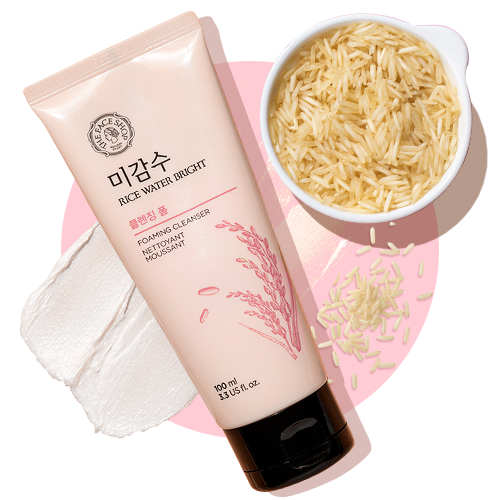
- Gentle Cleanser: Use a mild, non-stripping cleanser like Rice Water Bright Light Cleansing Oil to remove dirt without harming the barrier.
- Hydrating Toner: Apply Ceramide & Rice Moisturizing Toner for an instant moisture boost.
- Lightweight Emulsion: Layer on Ceramide & Rice Lightweight Emulsion to seal in hydration and reinforce the barrier.
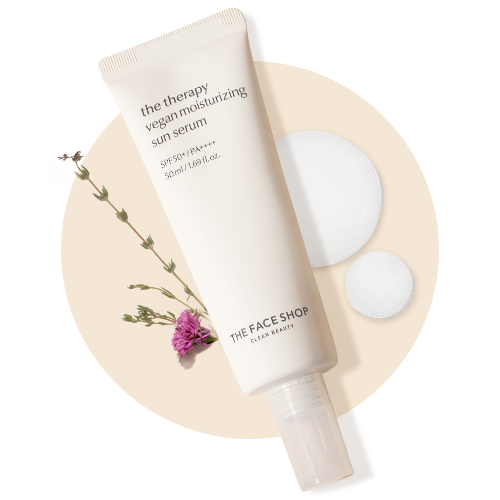
- Sunscreen: Always finish with broad-spectrum SPF, as UV damage is a leading cause of barrier breakdown in India.
For extremely dry or compromised skin, add a barrier-repairing cream at night. Avoid over-exfoliation and harsh actives during recovery.
How Do Rice & Ceramide Products Compare to Other Barrier Repair Ingredients?
While ceramides and rice extract are highly effective, other ingredients like hyaluronic acid, panthenol, and squalane also support barrier repair. However, dermatologists highlight that:
- Ceramides: Directly replenish lost lipids, making them the gold standard for barrier repair.
- Rice extract: Offers antioxidant and brightening benefits, which are especially valuable for Indian skin prone to pigmentation.
- Hyaluronic acid: Attracts water but does not rebuild the barrier structure itself.
Trade-off: Ceramide and rice products may be slightly pricier than basic moisturizers, but offer better long-term results for barrier health. For example, The Face Shop’s Emulsion provides a balance of efficacy and value, typically retailing under ₹1,000 for 150ml, a cost-effective choice for daily use.
What Should Indian Consumers Look for When Buying Rice & Ceramide Products?
- Ingredient list: Ensure ceramides are listed among the top ingredients, and rice extract is present (often as Oryza Sativa extract).
- Texture: Lightweight emulsions or toners suit most Indian skin types and climates.
- Price per ml: Calculate value by dividing price by volume. Products like The Face Shop’s Emulsion offer high efficacy at a reasonable INR per use.
- Packaging: Opt for pump bottles or tubes to minimize contamination, especially in humid conditions.
- Patch testing: Always test before full application, as even gentle ingredients may cause reactions in sensitive skin.
Are There Any Limitations or Risks to Using Rice & Ceramide Products?
While generally safe, dermatologists caution:
- Allergic reactions are rare but possible. Discontinue use if you notice persistent redness or itching.
- Rice extract may not suit those with rice allergies (uncommon in India but possible).
- Overuse of multiple barrier repair products can lead to congestion, especially in hot, humid climates.
Evidence for rapid barrier repair is strong, but results vary by individual and environmental factors. Always consult a dermatologist if your skin does not improve after 4 weeks.
Real-World Results: What Do Indian Users Say?
Feedback from Indian consumers highlights:
- Noticeable reduction in dryness and redness within a week of using rice and ceramide products.
- Improved skin texture and glow, especially in those with dull, pollution-exposed skin.
- Products like The Face Shop’s Emulsion and Toner are praised for being lightweight yet effective, with many users noting good value for money compared to imported alternatives.
However, a small percentage report breakouts when layering too many products or skipping sunscreen. Consistency and simplicity yield the best results.
Conclusion: Should You Try Rice & Ceramide for Barrier Repair in India?
For Indian consumers facing dryness, sensitivity, or pollution-induced skin stress, rice and ceramide formulations offer a science-backed, gentle, and effective solution. Choose lightweight, fragrance-free products, patch test, and stick to a simple routine for best results. With proper use, most users see visible improvement in barrier health within 1-4 weeks, a smart investment for resilient, glowing skin in any Indian climate.
FAQ
Can rice and ceramide products help with acne-prone skin in India?
Yes, rice and ceramide products are generally non-comedogenic and help repair the barrier, which can reduce irritation and support acne recovery. However, always patch test and avoid heavy creams if you have oily or acne-prone skin.
How much should I expect to spend on a good rice and ceramide moisturizer in India?
Quality rice and ceramide moisturizers from Korean brands like The Face Shop typically range from ₹800 to ₹1,200 for 150ml. This offers good value for daily use compared to imported alternatives.
Is it safe to use rice and ceramide products daily in the Indian climate?
Yes, these products are designed for daily use and are suitable for Indian weather. Opt for lightweight emulsions or toners during humid months and layer with a cream in drier seasons.
How do I know if my skin barrier is damaged?
Common signs include persistent dryness, redness, stinging, or flakiness after cleansing. If these symptoms last more than a week, your barrier may be compromised.
Can I use rice and ceramide products with actives like vitamin C or retinol?
Yes, but introduce new actives slowly and avoid layering too many potent ingredients at once. Focus on barrier repair first, then gradually add actives to your routine.