
Quick Summary
Curious if 'glass skin' is possible for Indian skin? Dermatologists break down myths, share expert routines, and reveal how to adapt K-Beauty for Indian tones and climate.
‘Glass skin’ - the K-Beauty trend for ultra-smooth, luminous, almost poreless skin - has taken over Instagram and skincare aisles. But is it realistic for Indian skin, given our unique tones, climate, and concerns? We asked dermatologists and K-Beauty experts to separate fact from fiction, and to share practical, India-specific advice for anyone considering the glass skin journey.
1. What Does 'Glass Skin' Really Mean for Indian Skin?
Glass skin refers to a complexion that looks clear, hydrated, and reflective - like glass. But Indian skin comes in a spectrum of tones, often with concerns like pigmentation, sensitivity, and exposure to heat and pollution. Dermatologists clarify: glass skin is not about fairness or erasing your natural features. Instead, it’s about healthy, even-toned, and deeply hydrated skin that glows from within.
- Key fact: Glass skin is achievable for all skin tones, including deeper Indian shades. The focus is on texture and radiance, not color.
- Expert tip: In India, glass skin routines must account for humidity, pollution, and sun exposure. This means prioritizing barrier repair and hydration over aggressive exfoliation.
2. Busting the Biggest Myths: Is Glass Skin Only for Fair or Korean Skin?
One of the most common misconceptions is that glass skin is only possible for fair or East Asian skin types. Dermatologists stress that this is a myth. Indian skin, with its higher melanin content, can absolutely achieve the luminous, dewy look - though the path may differ.
- Melanin-rich skin is naturally more prone to pigmentation and post-inflammatory marks. The glass skin routine should focus on gentle brightening and barrier protection.
- Indian weather (think Delhi’s pollution or Chennai’s humidity) means routines must be adapted for local conditions.
Counterintuitive fact: Over-exfoliating or using harsh actives can worsen pigmentation and sensitivity in Indian skin. Gentle, consistent care is more effective.
3. The Science: How Does Indian Skin Respond to K-Beauty Ingredients?
Indian skin often has a thicker dermis and more active sebaceous glands, making it both resilient and prone to oiliness or acne. K-Beauty’s focus on hydration, lightweight layering, and barrier repair aligns well with these needs.
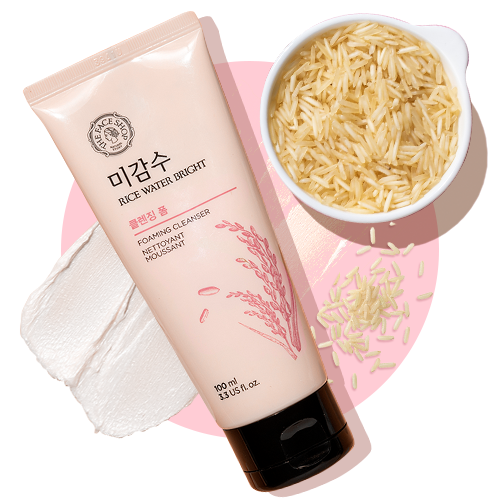
- Rice extract (found in Rice Water Bright Cleansing Foam) gently brightens and soothes without irritation.
- Hyaluronic acid and ceramides help maintain hydration in hot, dry, or polluted Indian cities.
- Ingredients like snail mucin and ginseng support repair and bounce, especially after sun or pollution exposure.
Practical cue: Always patch-test new actives, especially if your skin is sensitive or prone to pigmentation.
4. Step-by-Step: A Glass Skin Routine Adapted for Indian Skin
Here’s a dermatologist-approved routine tailored for Indian skin and climate:
- Gentle Cleanser: Use a mild, non-stripping cleanser like Rice Water Bright Cleansing Foam to remove dirt and pollution.
- Hydrating Toner: Apply a toner with ceramides and rice extract, such as Ceramide & Rice Moisturizing Toner, to prep and soothe.
- Serum: Choose a serum based on your concern - peptides for firmness (Peptide Serum), vitamin C for brightening (Vitamin C Serum).
- Moisturizer: Opt for a lightweight, non-comedogenic formula. Gel creams work well in humid cities, while richer creams suit drier regions.
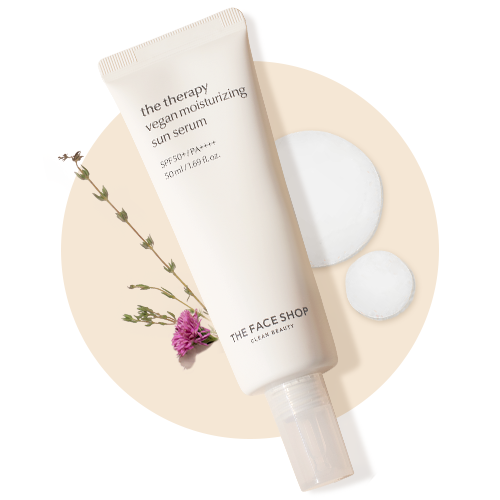
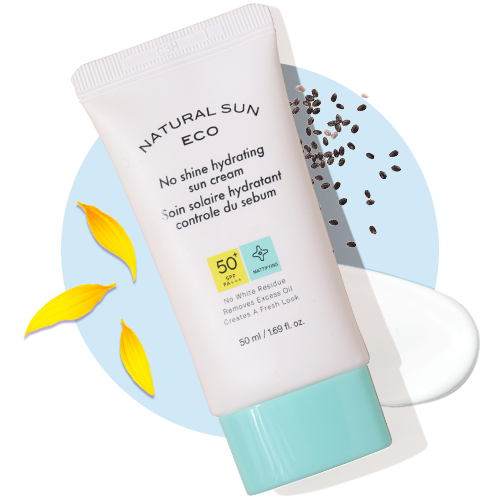
- Sunscreen: Broad-spectrum SPF is non-negotiable, even indoors, to prevent pigmentation and dullness.
Mini-checklist for Indian skin:
- Patch-test new products
- Layer hydration (toner, serum, moisturizer)
- Never skip sunscreen
5. Ingredient Watch: What to Seek and What to Avoid in India
Not all K-Beauty ingredients are ideal for Indian skin. Here’s what dermatologists recommend:
- Seek: Rice extract, hyaluronic acid, ceramides, snail mucin, propolis, and centella asiatica for hydration and repair.
- Avoid: Overuse of strong acids (like high-strength AHAs/BHAs), harsh physical scrubs, and products with high alcohol content.
- India-specific tip: If you live in a city with high pollution, look for antioxidants (like vitamin C) and barrier-repairing ingredients.
Data point: In a 2023 survey by the Indian Association of Dermatologists, 68% of respondents reported increased sensitivity or pigmentation after using harsh exfoliants in summer.
6. Realistic Results: How Long Does It Take to See 'Glass Skin' in India?
Achieving glass skin is a gradual process, not an overnight transformation. Dermatologists advise patience - visible improvements in hydration and glow can appear within 2-4 weeks, but deeper changes (like fading pigmentation) may take 2-3 months.
- Consistency is key. Skipping sunscreen or overloading on actives can set you back.
- Seasonal changes matter. You may need to adjust your routine during monsoon or winter.
INR value framing: Investing in a basic glass skin routine can start from as little as ₹1,500-₹2,500 per month, depending on product choices and sizes.
7. Common Mistakes Indians Make When Chasing Glass Skin
Dermatologists highlight these frequent pitfalls:
- Using too many actives at once, leading to irritation or breakouts
- Skipping sunscreen, which undoes brightening and repair efforts
- Ignoring local climate - using heavy creams in humid weather or not hydrating enough in dry regions
- Expecting instant results and switching products too quickly
Counterintuitive tip: Sometimes, less is more. A simple, consistent routine often delivers better results than a complex, ever-changing one.
8. Expert Q&A: Dermatologists Respond to Your Top Glass Skin Questions
Q: Can oily or acne-prone Indian skin achieve glass skin?
Yes. The key is to focus on lightweight hydration, gentle exfoliation, and non-comedogenic products. Avoid heavy oils and stick to gel-based moisturizers.
Q: What if I have pigmentation or dark spots?
Incorporate vitamin C serums and sunscreen. Be patient - pigmentation takes longer to fade, but consistent care works.
Q: Is glass skin possible for men?
Absolutely. The routine is gender-neutral. Men may need to pay extra attention to cleansing and sun protection due to outdoor exposure.
Q: How do I adapt my routine for Delhi’s pollution?
Double cleansing at night, using antioxidant serums, and barrier-repairing moisturizers help counteract pollution damage.
Q: Are K-Beauty routines expensive in India?
Not necessarily. Many effective products are available in India at various price points. Start with basics and build as needed.
9. Trusted K-Beauty for Indian Glass Skin Goals
For those ready to start their glass skin journey, trusted options offer dermatologist-recommended products tailored for Indian skin. From gentle cleansers to hydrating toners and targeted serums, you can build a routine that fits your needs and budget.
- Explore Peptide Serum for anti-aging and bounce
- Try Vitamin C Serum for brightening and even tone
- For dry body skin, see our Body Lotion / Moisturizer for Dry Skin collection
All products are formulated for Indian weather and skin concerns, with transparent ingredient lists and dermatologist input.
10. Final Thoughts: Glass Skin Is About Healthy, Happy Indian Skin
Glass skin is not a one-size-fits-all goal. For Indian skin, it means embracing your natural tone, focusing on hydration, and protecting your barrier. With the right routine, patience, and realistic expectations, luminous, healthy skin is within reach - no matter your starting point.
FAQ
Can oily or acne-prone Indian skin achieve glass skin?
Yes. Focus on lightweight hydration, gentle exfoliation, and non-comedogenic products. Avoid heavy oils and stick to gel-based moisturizers.
What if I have pigmentation or dark spots?
Use vitamin C serums and sunscreen. Be patient—pigmentation takes longer to fade, but consistent care works.
Is glass skin possible for men?
Absolutely. The routine is gender-neutral. Men may need to pay extra attention to cleansing and sun protection due to outdoor exposure.
How do I adapt my routine for Delhi’s pollution?
Double cleansing at night, using antioxidant serums, and barrier-repairing moisturizers help counteract pollution damage.
Are K-Beauty routines expensive in India?
Not necessarily. Many effective products are available in India at various price points. Start with basics and build as needed.