
Quick Summary
Are your K-Beauty 'Glass Skin' steps making monsoon breakouts worse? Dermatologists reveal common mistakes, evidence-backed fixes, and India-specific product swaps for clear, glowing skin.
Are your K-Beauty 'Glass Skin' steps making monsoon breakouts worse? Dermatologists reveal common mistakes, evidence-backed fixes, and India-specific product swaps for clear, glowing skin.
Why Monsoon Humidity Changes Everything for Glass Skin Seekers
Monsoon in India means soaring humidity, sudden downpours, and a spike in skin concerns like clogged pores and acne. According to Dr. Priya Sharma, a Mumbai-based dermatologist, "Humidity increases sebum production and sweat, making it easier for pores to get blocked - especially if you're layering heavy products." A 2022 survey by the Indian Association of Dermatologists found that 68% of urban respondents reported more breakouts during monsoon than any other season.
- Increased oiliness, especially in the T-zone
- Higher risk of fungal acne due to sweat and moisture
- Makeup and thick skincare can trap sweat, worsening congestion
Key takeaway: Your skin's needs shift dramatically in monsoon. What works in winter or dry climates can trigger breakouts now.
Are You Over-Cleansing or Under-Cleansing? The Double-Edged Sword
Many glass skin routines start with double cleansing, but is it always right for Indian monsoon skin? Over-cleansing (especially with harsh or foaming cleansers) can strip your skin barrier, causing rebound oiliness and irritation. Under-cleansing, on the other hand, leaves behind sweat, sunscreen, and pollution - fuel for breakouts.
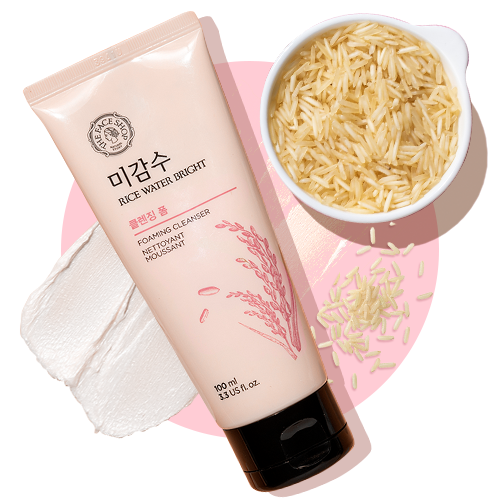
- Choose gentle, pH-balanced cleansers. For oily skin, try Rice Water Bright Cleansing Foam - it removes grime without over-drying and is priced at an accessible INR 650 for 150ml.
- Consider a charcoal-based cleanser 2-3 times a week for deep pore detox, but avoid daily use if your skin feels tight.
Dermatologist tip: In monsoon, cleanse twice daily - no more, no less. Look for formulas free from SLS/SLES and alcohol.
Hydration vs. Heaviness: Are Your Moisturizers Clogging Pores?
Glass skin is all about dewy, hydrated skin. But in India's monsoon, thick creams and occlusives can suffocate pores. Dermatologists recommend switching to lightweight emulsions or gel moisturizers.
- Look for ingredients like glycerin, rice extract, and ceramides for hydration without heaviness.
- Ceramide & Rice Moisturizing Emulsion offers barrier support in a featherlight texture, ideal for humid weather (INR 900 for 70ml).
- Water gels are great for oily skin, but ensure they're non-comedogenic and alcohol-free.
Mini-checklist: If your moisturizer leaves a sticky film or makes you sweat more, it's time to swap.
Serums & Actives: Are You Layering Too Much?
Layering multiple serums - vitamin C, niacinamide, hyaluronic acid - is a K-Beauty staple. But in monsoon, too many layers can trap sweat and oil, leading to congestion. Dr. Sharma advises, "Stick to one or two targeted actives. For brightening and oil control, niacinamide is a safe bet."
- Apply serums on damp skin for better absorption, but wait 30-60 seconds between layers.
- Skip heavy oils and occlusives unless prescribed for barrier repair.
India-specific tip: Pollution and humidity can make skin dull. Opt for antioxidant-rich serums, but avoid sticky or silicone-heavy formulas.
SPF in the Rain: Why Sunscreen Still Matters (and Which to Choose)
Think clouds mean you can skip sunscreen? UV rays penetrate clouds and glass, and monsoon sun can be surprisingly strong. However, thick, greasy sunscreens can worsen breakouts.
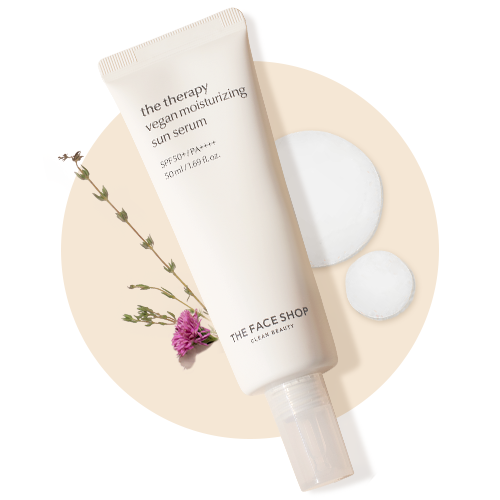
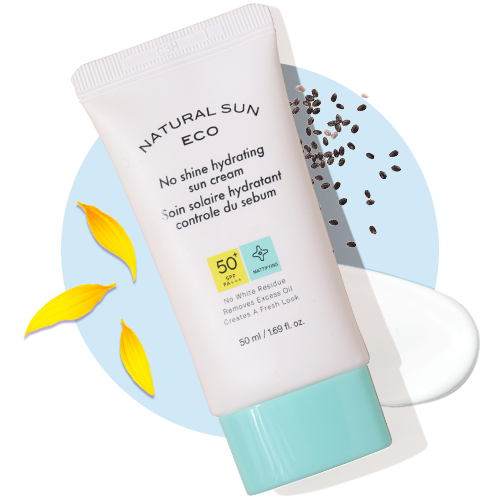
- Choose a lightweight, matte-finish sunscreen like NaturalSun Eco No Shine Hydrating Sun Cream (INR 999 for 30ml), formulated for humid climates.
- Reapply every 2-3 hours, especially if you sweat or get caught in the rain.
Fact: A 2023 study in Chennai found that 40% of participants experienced sun-induced pigmentation during monsoon due to inconsistent sunscreen use.
Common Glass Skin Mistakes That Trigger Monsoon Acne
Even the most diligent routines can go wrong. Here are the top errors Indian consumers make during monsoon:
- Using thick occlusive creams meant for winter
- Skipping cleanser after sweating or being outdoors
- Layering too many products without checking for comedogenic ingredients
- Not adjusting routines for increased humidity and pollution
Counterintuitive fact: Over-exfoliating to "fight oil" can actually worsen breakouts by damaging your skin barrier.
How to Build a Monsoon-Proof Glass Skin Routine (Step-by-Step)
Ready to adapt? Here's a dermatologist-approved, India-friendly routine:
- Cleanse: Use a gentle, pH-balanced cleanser morning and night.
- Tone: Apply a hydrating toner - avoid astringents with alcohol. Browse our hydrating toner collection for options suited to Indian skin.
- Treat: Pick one serum (niacinamide or vitamin C) for brightening and oil control.
- Moisturize: Use a lightweight emulsion or gel. Ceramide & Rice Moisturizing Emulsion is a top pick for humid weather.
- Protect: Finish with a non-greasy sunscreen, even on cloudy days.
Pro tip: Patch test new products and introduce one change at a time to avoid irritation.
Ingredient Spotlight: What to Seek (and Avoid) in Monsoon Skincare
Dermatologists recommend focusing on:
- Seek: Niacinamide, rice water, green tea, ceramides, glycerin, hyaluronic acid
- Avoid: Heavy oils, mineral oil, petrolatum, alcohol-based toners, SLS/SLES
Indian skin tones often benefit from brightening and barrier-supporting ingredients, especially in polluted urban environments.
Smart Shopping: How to Choose K-Beauty for Indian Monsoon (INR Value Guide)
Not all K-Beauty is created equal for India's climate. Here's how to make smart, INR-friendly choices:
- Look for products labeled "oil-free," "non-comedogenic," and "lightweight."
- Compare price per ml - many K-Beauty products offer high efficacy at INR 600-1200, which is competitive with Indian pharmacy brands.
- Watch for seasonal offers, such as the Buy 2 Get 1 Free deals, to maximize value.
Trade-off: Imported K-Beauty may cost more upfront, but a little goes a long way due to concentrated formulas.
When to See a Dermatologist: Knowing Your Limits
If you experience persistent, painful breakouts or sudden changes in your skin, consult a dermatologist. DIY fixes can help mild congestion, but severe acne or irritation needs professional care. Many Indian cities now offer teleconsultations for INR 500-1500 per session, making expert advice more accessible than ever.
Trust signal: All recommendations here are evidence-led and grounded in Indian dermatology practice. Always patch test and listen to your skin.
FAQ
Can I still achieve glass skin if I have oily, acne-prone skin in monsoon?
Yes, by choosing lightweight, non-comedogenic products and simplifying your routine, you can achieve a healthy, dewy look without triggering breakouts.
Should I stop using moisturizer if my skin feels oily?
No. Switch to a gel or emulsion formula instead of skipping moisturizer. Hydration helps balance oil production.
How often should I exfoliate during monsoon?
Limit exfoliation to once a week with a gentle formula. Over-exfoliating can damage your skin barrier and worsen breakouts.
Are K-Beauty products suitable for Indian skin and weather?
Many K-Beauty products are formulated for humid climates and work well for Indian skin, especially those with rice water, green tea, and ceramides.
What is the best way to layer products in high humidity?
Apply the thinnest, most watery products first (toner, serum), followed by a lightweight moisturizer and sunscreen. Allow each layer to absorb before adding the next.