
Quick Summary
Are potent K-Beauty actives like Vitamin C, Niacinamide, and AHAs/BHAs safe for sensitive Indian skin? Discover dermatologist-backed advice, safe routines, and how to avoid redness and irritation.
Dreaming of that luminous, poreless 'glass skin' look? For many Indian skincare enthusiasts, K-Beauty actives like Vitamin C, Niacinamide, and gentle acids promise radiant results. But if you have sensitive skin, you may have noticed increased redness, stinging, or irritation after starting a new routine. Are these actives too harsh for Indian skin types, or is there a safer way to achieve your glow goals?
What Does 'Glass Skin' Mean for Indian Skin Tones?
'Glass skin' refers to a complexion that looks smooth, hydrated, and almost translucent. While the trend started in Korea, Indian skin has unique needs: higher melanin, more humidity, and a tendency for pigmentation. Dermatologists note that the glass skin ideal is about healthy, even-toned, and well-hydrated skin - regardless of your natural shade.
- Key fact: Indian skin is more prone to post-inflammatory hyperpigmentation, so irritation can quickly lead to dark spots.
- Mini-checklist: Focus on hydration, gentle exfoliation, and barrier repair rather than aggressive actives.
Why Do K-Beauty Actives Cause Irritation on Sensitive Indian Skin?
Potent ingredients like Vitamin C, AHAs, and BHAs can trigger redness, stinging, or peeling, especially if your skin barrier is compromised. Indian climate factors - heat, pollution, and humidity - can make skin more reactive. Dermatologists point out that layering too many actives or using high concentrations is a common mistake.
- Vitamin C serums above 15% can be too strong for beginners.
- AHAs/BHAs increase sun sensitivity, which is a concern in India's intense sunlight.
- Mixing multiple actives without guidance can disrupt your skin's pH and barrier.
How to Safely Introduce K-Beauty Actives for Sensitive Skin
Start slow and patch test. Dermatologists recommend introducing one new active at a time, starting with the lowest concentration available. For example, a 5% Niacinamide serum is gentler than a 10% formula. Always patch test behind your ear or on your jawline for 48 hours before full use.
- Begin with actives 2-3 times a week, then gradually increase frequency.
- Apply actives on completely dry skin to reduce stinging.
- Follow with a hydrating toner, such as those in our Hydrating Toner collection, to soothe and prep your skin.
Layering Actives: What Works and What to Avoid
Layering can boost results but also increases risk of irritation. Dermatologists suggest:
- Do not combine: Vitamin C with AHAs/BHAs in the same routine.
- Safe pairings: Niacinamide with Vitamin C is generally well-tolerated, especially at lower concentrations.
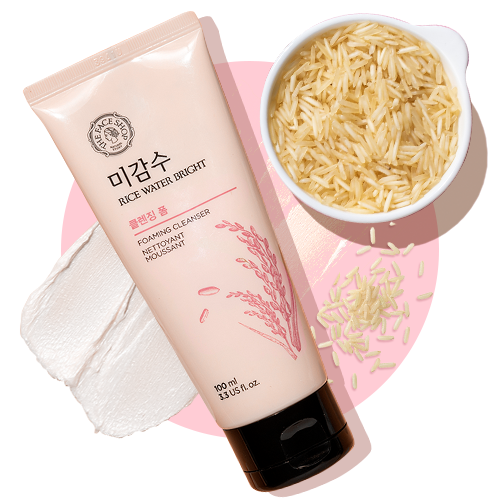
- Always use a gentle cleanser, like the Rice Water Bright Cleansing Foam, to avoid stripping your skin before applying actives.
Pro tip: If you notice tingling or redness, scale back to basics (cleanser, moisturizer, sunscreen) for a week before reintroducing actives.
Managing Redness and Irritation: Indian Dermatologist Tips
If your skin turns red or feels hot after using actives, stop immediately. Indian dermatologists recommend:
- Apply a cool compress and use fragrance-free, barrier-repair creams.
- Look for soothing ingredients like Centella Asiatica (cica), snail mucin, or mugwort, which are common in K-Beauty and suit Indian skin.
- Consider products from The Face Shop with calming botanicals.
Counterintuitive fact: Sometimes, less is more. Over-exfoliation can worsen pigmentation and sensitivity, especially in Indian climates.
Best K-Beauty Actives for Sensitive Indian Skin: Ingredient Guide
Not all actives are created equal. Here’s what dermatologists and Indian skincare experts recommend:
- Niacinamide (5%): Strengthens the skin barrier and reduces redness. Start with lower concentrations.
- Vitamin C (5-10%): Brightens and protects. Look for stabilized forms like sodium ascorbyl phosphate.
- Snail mucin: Hydrates and repairs without irritation.
- Centella Asiatica (cica): Calms inflammation and supports healing.
- Mugwort: Soothes redness and is especially good for humid Indian summers.
Always check ingredient lists and avoid added fragrances or alcohol, which can trigger sensitivity.
How Much Should You Spend? INR Value Framing for K-Beauty in India
K-Beauty products can range from INR 500 to INR 2500 per item. While higher-priced serums often use stabilized actives and advanced formulations, you can find effective options at every price point. For example, a gentle cleanser like Vitamin C Brightening Foaming Face Wash offers brightening benefits without breaking the bank.
- Look for bundles or offers, such as those in our POS B2G1 collection, to maximize value.
- Prioritize essentials: a gentle cleanser, hydrating toner, and one active serum.
Tip: Investing in barrier-repair and soothing products can prevent costly skin issues down the line.
Sample AM/PM Routine for Sensitive Indian Skin
Here’s a dermatologist-inspired routine tailored for Indian weather and sensitive skin:
- AM: Gentle cleanser → Hydrating toner → 5% Vitamin C serum → Lightweight moisturizer → Broad-spectrum sunscreen (SPF 30+)
- PM: Gentle cleanser → Hydrating toner → 5% Niacinamide serum or snail mucin essence → Barrier-repair moisturizer
Adjust frequency based on your skin’s response. Always introduce one new product at a time.
When to See a Dermatologist: Warning Signs and Limitations
If you experience persistent redness, burning, or new dark spots, consult a dermatologist. Some skin conditions (like rosacea or eczema) may mimic irritation from actives but require medical care. Remember, even the best K-Beauty routine has limits - genetics, hormones, and environment all play a role in your skin’s appearance.
- Never use actives on broken or inflamed skin.
- Always wear sunscreen, as actives can increase sun sensitivity.
Transparent limitation: Results vary. Not everyone will achieve 'glass skin' - but you can achieve healthier, calmer, and more radiant skin with the right approach.
FAQ
Can I use Vitamin C and Niacinamide together on sensitive Indian skin?
Yes, most dermatologists agree that low concentrations of Vitamin C and Niacinamide can be layered safely, especially if introduced gradually. Always patch test and monitor for irritation.
How do I know if a K-Beauty active is too strong for my skin?
Signs include persistent redness, stinging, or peeling. Start with the lowest concentration and increase only if your skin tolerates it well.
Are K-Beauty products suitable for Indian humidity and heat?
Many K-Beauty formulas are lightweight and hydrating, making them suitable for Indian climates. Choose gel-based or water-based products for best results.
What should I do if I develop irritation after using a new active?
Stop using the product, apply a soothing moisturizer, and avoid actives for a week. If irritation persists, consult a dermatologist.
Is it necessary to use all steps of the K-Beauty routine for glass skin?
No, focus on essentials: gentle cleanser, hydrating toner, one active serum, moisturizer, and sunscreen. Over-layering can increase irritation risk.