
Quick Summary
Confused about K-Beauty layering for glass skin in India’s humidity? Dermatologists explain each step, product order, and what’s truly essential for radiant, healthy skin.
Are you overwhelmed by the famous K-Beauty multi-step routine, especially with India’s sticky summers and unpredictable monsoons? You’re not alone. Many Indian skincare beginners wonder if layering so many products is necessary, or even safe, for our climate and skin types. We asked dermatologists to break down the essentials, debunk myths, and share a practical, evidence-backed approach to achieving glass skin - without clogging pores or wasting money.
1. Why Is Layering Important in K-Beauty - And Does It Work for Indian Skin?
Layering is at the heart of K-Beauty. Instead of using one heavy cream, you apply several lighter products in a specific order. This allows each product to target a different skin concern - hydration, brightening, barrier repair - while reducing the risk of breakouts or greasiness. Dermatologists confirm that this approach is especially helpful for Indian skin, which often faces dehydration, dullness, and uneven texture due to humidity, pollution, and hard water.
- Layering lets you customize for your skin’s daily needs - more hydration in winter, lighter layers in summer.
- Studies show that layering lightweight hydrators (like hyaluronic acid) boosts skin’s water content without heaviness.
- In India, glass skin is about healthy, luminous, even-toned skin - not whitening.
Tip: Always listen to your skin. If you feel sticky or see more breakouts, simplify your routine.
2. What Is the Correct Korean Skincare Layering Order for Glass Skin?
The classic K-Beauty routine can have up to 10 steps, but most dermatologists recommend a streamlined version for India’s climate. Here’s the dermatologist-approved order:
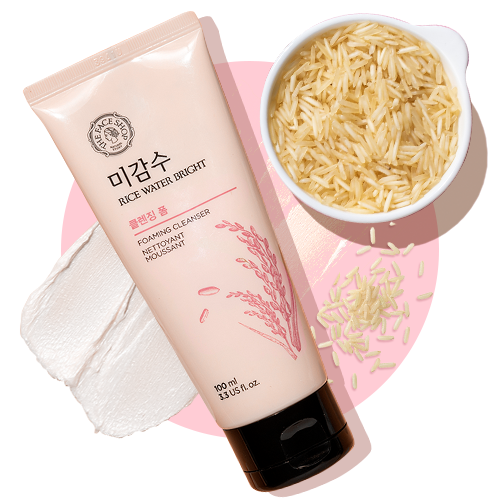
- Cleanser (gentle, low pH)
- Toner (hydrating, alcohol-free)
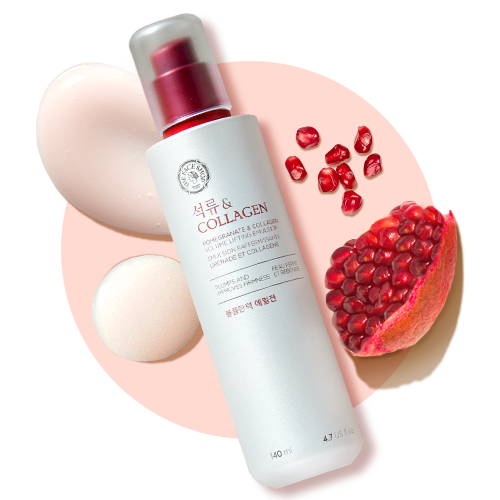
- Essence (lightweight, boosts hydration and radiance)
- Serum (targeted actives like niacinamide or vitamin C)
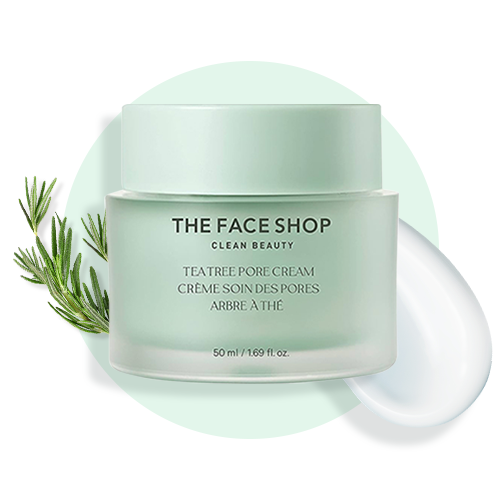
- Moisturizer (gel or emulsion for oily/combination; cream for dry skin)
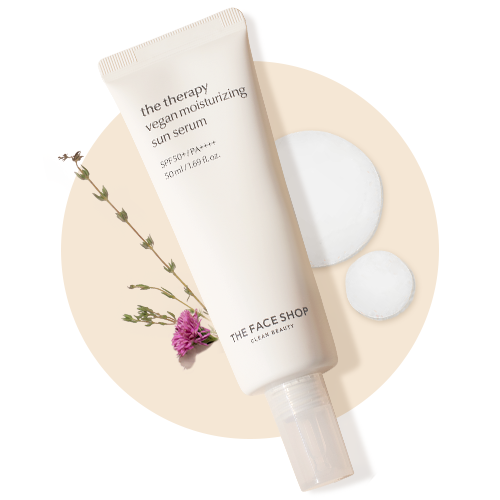
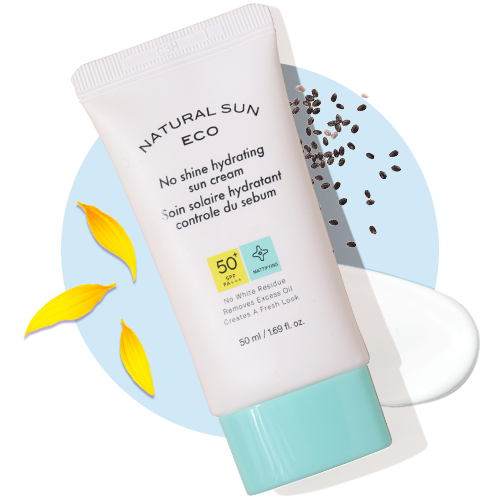
- Sunscreen (SPF 30+ every morning)
Optional: Exfoliate 1-2 times a week with a gentle exfoliator to keep pores clear and boost glow.
3. Do You Really Need All the Steps? What Can You Skip in Indian Humidity?
Not every step is essential every day. In humid Indian weather, less can be more. Dermatologists suggest:
- Double cleansing is great if you wear sunscreen or makeup, but a single gentle cleanser is enough for most mornings.
- Essence and serum can be alternated if you’re short on time or budget.
- Heavy creams may feel sticky - opt for a lightweight emulsion like the Ceramide & Rice Lightweight Emulsion for barrier repair without greasiness.
Checklist: Cleanser, toner, moisturizer, sunscreen - these are non-negotiable. Add extras only if your skin needs them.
4. How Do You Choose Products That Suit Indian Skin and Climate?
Indian skin is diverse - ranging from oily and acne-prone to dry and sensitive. Humidity, pollution, and hard water add extra challenges. Dermatologists recommend:
- Look for hydrating ingredients like hyaluronic acid, glycerin, and rice extracts.
- Avoid alcohol-heavy toners and thick occlusive creams in summer.
- For barrier repair, ceramides are ideal - try the Ceramide & Rice Moisturizing Skincare kit for a complete, gentle routine.
- Always patch test new actives like vitamin C or niacinamide.
Fact: Many Indian dermatologists see an increase in fungal acne during monsoon. Stick to non-comedogenic, fragrance-free formulas.
5. What Are the Benefits of Glass Skin Layering - Is It Worth the Effort?
Glass skin isn’t about looking oily - it’s about a hydrated, even, and luminous complexion. Layering helps:
- Boost and lock in hydration at every step
- Deliver actives more effectively (like niacinamide for dark spots)
- Strengthen the skin barrier, reducing sensitivity and breakouts
In India, the benefits are clear: less dullness, fewer dry patches, and a natural glow that doesn’t rely on makeup. While the routine takes a few extra minutes, many users report visible improvements within 2-4 weeks.
6. How Much Should You Spend? Is K-Beauty Layering Affordable in India?
With K-Beauty’s popularity, prices in India now range from INR 300 for a basic cleanser to INR 2000+ for serums. Dermatologists advise:
- Invest in a good cleanser, moisturizer, and sunscreen - these form your foundation.
- Starter kits like the Ceramide & Rice Moisturizing Skincare kit offer value (INR 1,499 for a 3-step set) and are ideal for beginners.
- Don’t overbuy - start with essentials, then add serums or essences as needed.
Remember, consistency matters more than the number of products or their price tag.
7. Are There Any Risks or Limitations to K-Beauty Layering in India?
While layering is generally safe, dermatologists warn:
- Over-layering can cause clogged pores, especially in humid weather.
- Mixing too many actives (like vitamin C and retinol) can irritate sensitive Indian skin.
- Always introduce one new product at a time and monitor for reactions.
Limitation: Not all K-Beauty products are formulated for Indian skin tones or humidity - choose wisely and consult a dermatologist if unsure.
8. How Can Beginners Build a Simple, Effective K-Beauty Routine for Glass Skin?
If you’re new to K-Beauty, start simple:
- Cleanser: Gentle, non-stripping formula
- Toner: Hydrating, alcohol-free
- Moisturizer: Lightweight emulsion or cream, such as the Ceramide & Rice Moisturizing Cream
- Sunscreen: Broad spectrum, SPF 30+
Once your skin adjusts, add a serum or essence for targeted benefits. For body care, explore our Body Lotion / Moisturizer for Dry Skin collection for glass-like radiance beyond the face.
9. Dermatologist Q&A: Your Top K-Beauty Layering Questions Answered
-
Q: Can I use K-Beauty layering if I have oily, acne-prone skin?
A: Yes, but choose lightweight, non-comedogenic products and avoid heavy creams. Always patch test new actives. -
Q: Is it safe to layer vitamin C and niacinamide?
A: Yes, but introduce them slowly and monitor for irritation. Use vitamin C in the morning, niacinamide at night if needed. -
Q: How do I prevent stickiness in humid weather?
A: Use gel-based moisturizers and avoid layering too many products. Blot excess oil during the day if needed. -
Q: Can I skip toner or essence?
A: Yes, if your skin feels hydrated after cleansing, you can skip toner or essence - focus on moisturizer and sunscreen. -
Q: How long should I wait between layers?
A: Wait 30-60 seconds for each product to absorb before applying the next.
10. Key Takeaways: Achieving Glass Skin in India - What Matters Most
- Layering works for Indian skin when you choose the right products and don’t overdo it.
- Focus on hydration, barrier repair, and sun protection for true glass skin.
- Start simple, listen to your skin, and adjust for the season.
- Consult a dermatologist for persistent concerns or if you’re unsure about actives.
Ready to build your K-Beauty routine? Explore The Face Shop for dermatologist-approved, India-friendly options.
FAQ
Can I use K-Beauty layering if I have oily, acne-prone skin?
Yes, but choose lightweight, non-comedogenic products and avoid heavy creams. Always patch test new actives.
Is it safe to layer vitamin C and niacinamide?
Yes, but introduce them slowly and monitor for irritation. Use vitamin C in the morning, niacinamide at night if needed.
How do I prevent stickiness in humid weather?
Use gel-based moisturizers and avoid layering too many products. Blot excess oil during the day if needed.
Can I skip toner or essence?
Yes, if your skin feels hydrated after cleansing, you can skip toner or essence - focus on moisturizer and sunscreen.
How long should I wait between layers?
Wait 30-60 seconds for each product to absorb before applying the next.