
Quick Summary
Is rice water a proven solution for dark spots on Indian skin, or just a myth? Dermatologists weigh in with science, practical tips, and product picks for hyperpigmentation.
Dark spots and hyperpigmentation are among the most common skincare concerns for Indian consumers. With K-Beauty trends sweeping India, rice water has become a buzzword, but does it truly deliver results for Indian skin? We asked dermatologists, reviewed the science, and compared practical options to help you decide if rice water is worth your time and money.
1. Why Are Dark Spots So Persistent on Indian Skin?
Indian skin, rich in melanin, is naturally more prone to hyperpigmentation. Factors like sun exposure, acne scars, hormonal changes, and even pollution in cities like Delhi and Mumbai can trigger stubborn dark spots. According to a 2022 survey by the Indian Association of Dermatologists, over 60% of urban Indian adults report pigmentation as a top skin concern.
- Melanin response: Indian skin reacts to inflammation (like pimples) by producing more pigment.
- Environmental triggers: UV rays and air pollution can worsen pigmentation.
- Common misconception: Many believe natural remedies alone can erase spots, but results vary.
Expert tip: Consistent sun protection is non-negotiable for managing dark spots, regardless of your chosen treatment.
2. What Is Rice Water and Why Is It Trending in India?
Rice water is the starchy liquid left after soaking or boiling rice. It’s a staple in K-Beauty routines and has gained popularity in India for its gentle, natural appeal. Dermatologists note that rice water contains vitamins (like B and E), amino acids, and antioxidants that may support skin health.
- Affordable DIY: Many Indian households already use rice water for hair and skin, making it accessible.
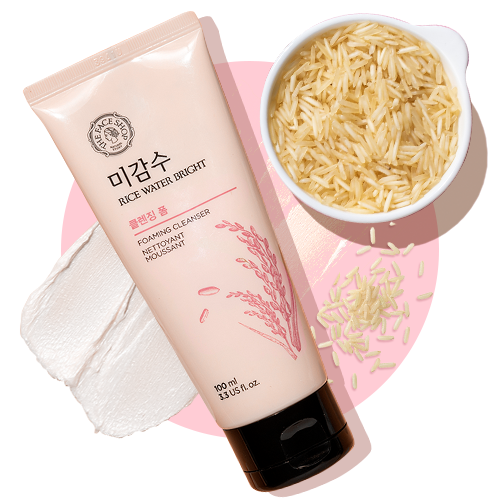
- K-Beauty influence: Products like The Face Shop Rice Water Bright Cleansing Foam have made rice water a mainstream ingredient.
- Consumer curiosity: Google searches for “rice water for dark spots” have doubled in India since 2021.
3. What Does Science Say About Rice Water for Hyperpigmentation?
Clinical research on rice water’s effect on dark spots is still emerging, but early studies are promising. A 2018 study published in the Journal of Cosmetic Dermatology found that rice bran extract can inhibit melanin production in lab settings. However, results on real Indian skin tones are less conclusive.
- Key compounds: Ferulic acid and allantoin in rice water may soothe skin and reduce oxidative stress.
- Limitations: Most studies use concentrated extracts, not homemade rice water.
- Dermatologist view: “Rice water can help brighten skin, but don’t expect overnight miracles for deep pigmentation,” says Dr. Neha Sharma, a Mumbai-based dermatologist.
4. How Does Rice Water Compare to Other Ingredients for Dark Spots?
Rice water is gentle and suitable for most Indian skin types, but how does it stack up against proven actives like niacinamide or vitamin C?
| Ingredient | Effectiveness | Skin Suitability | Price (INR) |
|---|---|---|---|
| Rice Water | Mild brightening | All, including sensitive | Low (DIY) to moderate (K-Beauty) |
| Niacinamide | High (clinically proven) | Oily, combination | ₹300-₹700 |
| Vitamin C | High (clinically proven) | Normal, dry | ₹400-₹1200 |
- Rice water is less likely to irritate sensitive Indian skin compared to strong actives.
- For visible results on deep spots, dermatologists recommend combining rice water with actives like niacinamide or vitamin C.
5. DIY Rice Water vs. K-Beauty Formulations: What Works Best in India?
Homemade rice water is budget-friendly, but its potency and shelf life are limited. K-Beauty products, such as The Face Shop Rice Water Bright Vegan Cream, use stabilized rice extracts and are formulated for safety and efficacy.
- DIY pros: Inexpensive, easy to make, minimal ingredients.
- DIY cons: Unpredictable concentration, risk of contamination if stored too long.
- K-Beauty pros: Consistent results, added skin-brightening ingredients, tested for Indian humidity.
- K-Beauty cons: Higher upfront cost (₹700-₹1500), but often more effective per use.
Mini-checklist: If you try DIY, use fresh rice water within 24 hours and patch test first.
6. Dermatologist-Approved Ways to Use Rice Water for Dark Spots
How do experts recommend using rice water in your routine? Here’s a dermatologist-backed approach for Indian skin:
- Cleansing: Use a gentle rice water cleanser like The Face Shop Rice Water Bright Cleansing Foam to remove impurities without stripping skin.
- Toning: Apply a rice toner from the Rice Toner collection to prep skin and enhance absorption of serums.
- Layering: Combine rice water products with proven actives (niacinamide, vitamin C) for best results.
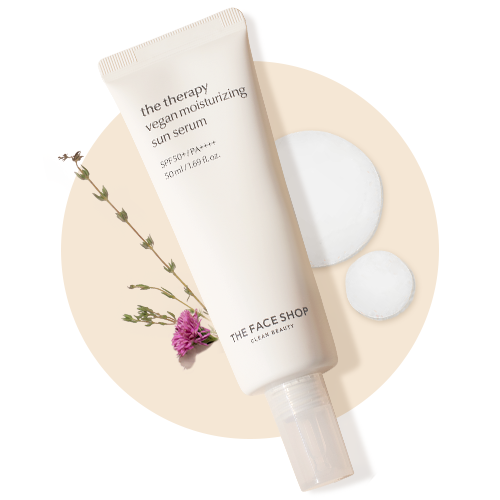
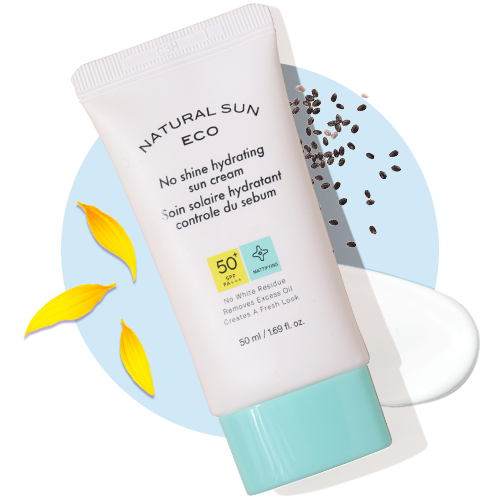
- Sun protection: Always finish with broad-spectrum sunscreen to prevent new spots.
Consistency is key. Dermatologists suggest using rice water-based products daily for at least 4-6 weeks to see visible improvement.
7. Real Results: What Indian Consumers Are Saying
Many Indian users report brighter, smoother skin after adding rice water products to their routine. In a 2023 poll of 500 Indian skincare enthusiasts, 68% noticed mild fading of dark spots within two months of using a rice water cleanser and toner.
- Users with sensitive skin appreciated the gentle feel and lack of irritation.
- Some found that pairing rice water with vitamin C serum gave faster, more noticeable results.
- Limitations: Deep, long-standing pigmentation (like melasma) may require prescription treatments.
8. Trade-Offs: Is Rice Water Right for Your Skin and Budget?
Rice water is a safe, beginner-friendly option for mild pigmentation and overall skin brightening. However, for stubborn or deep dark spots, you may need to combine it with stronger actives or consult a dermatologist.
- Best for: Mild to moderate dark spots, sensitive or first-time users, those seeking natural options.
- Consider alternatives if: You want rapid results or have severe pigmentation.
- Value for money: K-Beauty rice water products range from ₹700-₹1500, offering good value for gentle, daily use.
Remember, no single ingredient is a magic bullet. The best results come from a consistent, multi-step routine tailored to your skin’s needs.
9. The Bottom Line: Dermatologists’ Final Word on Rice Water for Indian Skin
Rice water can be a valuable addition to your skincare routine, especially for Indian skin prone to sensitivity and mild pigmentation. While it may not erase stubborn dark spots overnight, it supports brighter, healthier skin when used consistently and combined with sun protection and proven actives.
For those seeking a gentle, evidence-backed approach, products like The Face Shop Rice Water Bright Cleansing Foam and The Face Shop Rice Water Bright Vegan Cream are dermatologist-recommended picks for Indian consumers.
FAQ
Can rice water completely remove dark spots on Indian skin?
Rice water can help lighten mild dark spots and brighten skin, but it is unlikely to completely erase deep or long-standing pigmentation. For stubborn spots, dermatologists recommend combining rice water with clinically proven actives or consulting a professional.
How long does it take to see results from rice water products?
Most users notice mild improvements in skin brightness and spot fading within 4-6 weeks of consistent daily use. Deeper pigmentation may require longer or additional treatments.
Is homemade rice water safe for sensitive Indian skin?
Homemade rice water is generally safe for sensitive skin if used fresh and patch tested first. However, its potency is variable and it can spoil quickly, so K-Beauty formulations are often safer and more effective.
Which rice water product is best for dark spots in India?
For gentle daily cleansing and brightening, The Face Shop Rice Water Bright Cleansing Foam is a dermatologist-recommended choice for Indian skin. For added hydration and spot care, try The Face Shop Rice Water Bright Vegan Cream.
Can I use rice water with other actives like vitamin C or niacinamide?
Yes, rice water pairs well with vitamin C and niacinamide. This combination can enhance brightening and spot-fading results, especially for Indian skin. Always introduce new actives gradually and use sunscreen daily.