
Quick Summary
Curious about rice water for Indian skin? Dermatologists answer your top questions, debunk myths, and share expert tips for safe, effective use in India.
Rice water has become a buzzword in Indian skincare circles, but is it truly the miracle ingredient it's made out to be? We asked dermatologists and Korean skincare experts to answer your most pressing questions. Here’s what you need to know before adding rice water to your routine, with practical tips, evidence, and India-specific advice.
1. What Exactly Is Rice Water, and Why Is It Trending in India?
Rice water is the starchy liquid left after soaking or boiling rice. It’s rich in vitamins B and E, amino acids, and antioxidants. While its roots are in Asian beauty rituals, Indian consumers are now embracing rice water for its gentle brightening and soothing properties - especially for concerns like uneven skin tone and post-acne marks, which are common in our climate.
- Fact: A 2021 study in the Journal of Cosmetic Dermatology found rice water can improve skin barrier function and hydration.
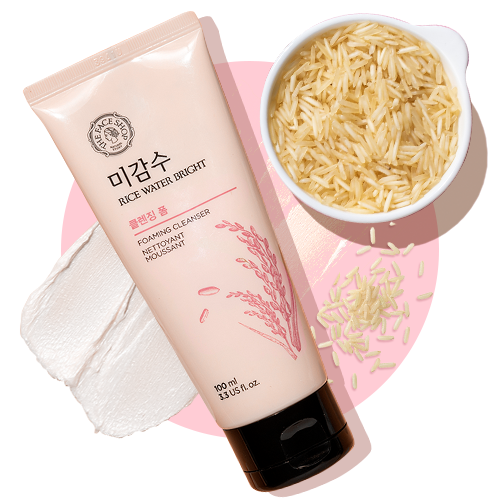
- India-specific tip: Rice water is affordable and easy to make at home, but for consistent results, consider professionally formulated products like The Face Shop Rice Water Bright Cleansing Foam.
2. Is Rice Water Safe for All Indian Skin Types?
Most dermatologists agree rice water is generally safe for Indian skin, including sensitive and combination types. However, patch testing is crucial. Indian skin can be prone to pigmentation and post-inflammatory hyperpigmentation (PIH), so always test on a small area first.
- Expert insight: Dr. Priya Sharma, a Mumbai-based dermatologist, notes, “Rice water is less likely to irritate compared to actives like retinol or AHAs, but homemade versions can ferment and cause breakouts if not used fresh.”
-
Checklist for safety:
- Use freshly prepared rice water within 24 hours
- Patch test behind the ear or on the jawline
- Discontinue if you notice redness or itching
3. What Are the Real Benefits of Rice Water for Indian Skin?
Rice water is praised for its brightening, soothing, and hydrating effects. For Indian skin, these benefits are especially relevant due to high rates of pigmentation, sun exposure, and pollution.
- Brightening: Regular use can help fade mild dark spots and even out skin tone. For more stubborn pigmentation, look for products in the Dark Spots on Face collection.
- Soothing: Rice water’s anti-inflammatory properties can calm redness and irritation, making it suitable for post-acne marks and sensitive skin.
- Hydration: Its amino acids help retain moisture, which is vital in India’s hot, dry, or humid climates.
Counterintuitive fact: While rice water is often marketed as a whitening agent, dermatologists clarify that it does not bleach skin but helps restore natural radiance by reducing dullness.
4. How Should I Use Rice Water in My Skincare Routine?
Rice water can be used as a toner, rinse, or mask. For best results, dermatologists recommend integrating it into your routine after cleansing and before moisturizing.
- Use a gentle cleanser like The Face Shop Rice Water Bright Cleansing Foam to remove impurities.
- Apply rice water with a cotton pad or as a splash, let it absorb, then follow with a moisturizer.
- For targeted concerns like uneven skin tone, explore the Uneven Skin Tone collection for complementary products.
India-specific tip: During peak summer or monsoon, use rice water in the evening to avoid stickiness and maximize absorption.
5. Are Homemade Rice Water Remedies as Effective as Store-Bought Products?
Homemade rice water is cost-effective and natural, but it comes with limitations. Without preservatives, it can spoil quickly and may not deliver consistent results. Professionally formulated products, such as those from The Face Shop, combine rice extract with stabilizers and additional actives for enhanced efficacy and safety.
- Trade-off: Homemade rice water costs less (almost free), but store-bought options (typically INR 700–1200) offer better shelf life, standardized concentration, and added skin benefits.
- Evidence: Clinical trials on rice extract efficacy are usually based on stabilized, cosmetic-grade formulas rather than DIY versions.
6. Can Rice Water Help with Pigmentation, Acne, or Aging?
Rice water can support the fading of mild pigmentation and soothe post-acne marks, but it is not a substitute for targeted actives like tranexamic acid or retinoids. For visible results on dark spots or acne scars, combine rice water with proven ingredients found in the Post Acne Marks collection.
- For pigmentation: Rice water may gently lighten spots over time, but for stubborn marks, look for products with niacinamide or tranexamic acid.
- For acne: Its soothing properties can reduce redness, but it does not treat active breakouts.
- For aging: Rice water offers antioxidant support but is not a replacement for retinol or peptides.
Expert tip: Always use sunscreen during the day, as rice water does not protect against UV-induced pigmentation.
7. What Are the Limitations or Risks of Using Rice Water?
While rice water is gentle, it is not a cure-all. Overuse or improper storage can lead to irritation or breakouts. Homemade rice water, if left to ferment, may harbor bacteria.
- Limitation: Results are gradual and subtle. Do not expect overnight changes, especially for deep pigmentation or scars.
- Risk: Allergic reactions are rare but possible. Discontinue use if you experience itching, swelling, or persistent redness.
- India-specific note: In humid regions, avoid leaving rice water on the skin for too long, as it can feel sticky or attract dust.
Expert-Recommended Rice Water Products for Indian Skin
For those seeking convenience and consistency, consider professionally formulated rice water products. The Face Shop Rice Water Bright Cleansing Foam is a popular choice, offering gentle cleansing and brightening in one step. For added hydration, explore the Rice Water Bright Vegan Cream, which is suitable for all skin types and priced around INR 1200 for 50ml - an accessible investment for visible results.
- Look for products with clear ingredient lists and clinical backing.
- Choose formulas suited for Indian weather - lightweight for summers, richer for dry winters.
Rice Water Myths: What Indian Consumers Should Know
There are many myths about rice water in Indian beauty forums. Let’s clarify:
- Myth: Rice water can bleach skin. Fact: It only helps restore natural brightness.
- Myth: More is better. Fact: Overuse can irritate sensitive skin.
- Myth: All rice water is the same. Fact: Fermented rice water is more acidic and may not suit everyone.
Always rely on evidence and patch test before regular use.
FAQs: Your Top Rice Water for Skin Questions, Answered
- Can I use rice water daily on my face? Yes, if your skin tolerates it. Start with 2–3 times a week and increase as needed. Monitor for any irritation.
- Is rice water suitable for oily or acne-prone Indian skin? Rice water is lightweight and non-comedogenic, making it suitable for oily skin. However, it does not treat active acne.
- How long does it take to see results from rice water? Most users notice subtle brightening within 2–4 weeks of consistent use. Results vary based on skin type and concern.
- Can I store homemade rice water in the fridge? Yes, but use within 2–3 days to avoid spoilage. Discard if it smells sour or changes color.
- Are there any ingredients I should avoid mixing with rice water? Avoid using rice water with strong acids or retinoids in the same routine to minimize irritation.
Key Takeaways: Should You Try Rice Water for Indian Skin?
- Rice water is a gentle, affordable option for brightening and soothing Indian skin.
- Patch test and use fresh preparations for safety, or opt for stabilized products from trusted brands like The Face Shop.
- Combine rice water with proven actives for best results on pigmentation or acne marks.
- Manage expectations - rice water offers gradual improvement, not instant transformation.
For more evidence-based skincare tips and product recommendations, explore our Uneven Skin Tone and Post Acne Marks collections.
FAQ
Can I use rice water daily on my face?
Yes, if your skin tolerates it. Start with 2–3 times a week and increase as needed. Monitor for any irritation.
Is rice water suitable for oily or acne-prone Indian skin?
Rice water is lightweight and non-comedogenic, making it suitable for oily skin. However, it does not treat active acne.
How long does it take to see results from rice water?
Most users notice subtle brightening within 2–4 weeks of consistent use. Results vary based on skin type and concern.
Can I store homemade rice water in the fridge?
Yes, but use within 2–3 days to avoid spoilage. Discard if it smells sour or changes color.
Are there any ingredients I should avoid mixing with rice water?
Avoid using rice water with strong acids or retinoids in the same routine to minimize irritation.