
Quick Summary
Indian dermatologists answer your most-asked questions about achieving Korean glass skin. Discover expert routines, ingredient picks, and India-specific tips for glowing, healthy skin.
Dreaming of that luminous, poreless 'glass skin' look? Indian skin comes with unique needs, and the Korean glass skin trend is more than just a viral hashtag. We asked leading dermatologists to answer your most pressing questions about achieving glass skin in India - covering routines, ingredients, and practical tips for our climate and skin tones.
What Exactly Is Korean Glass Skin - and Can Indian Skin Types Achieve It?
Glass skin refers to a complexion that looks ultra-smooth, even-toned, and intensely hydrated, almost as if it's reflecting light. While the trend started in Korea, dermatologists confirm that Indian skin - whether oily, dry, or combination - can absolutely achieve this look. The key is focusing on hydration, gentle exfoliation, and barrier repair, not just fairness or whitening.
- Fact: Indian skin is more prone to pigmentation and dehydration due to sun exposure and pollution, so routines must adapt accordingly.
- Tip: Consistency and patience are essential. Visible results often take 4-8 weeks with the right products.
How Should I Start a Glass Skin Routine for Indian Weather?
Humidity, heat, and pollution in India can make skin routines tricky. Dermatologists recommend a simplified, layered approach:
- Gentle Cleanser: Use a low-pH, non-stripping cleanser morning and night. This helps maintain the skin barrier and prevents over-drying.
- Hydrating Toner: Look for toners with hyaluronic acid or rice water to boost moisture without heaviness.
- Lightweight Emulsion: Emulsions like the Ceramide & Rice Moisturizing Emulsion 70ml provide hydration suitable for Indian humidity.
- Serum/Essence: Ingredients like snail mucin, panthenol, or Centella Asiatica help repair and hydrate.
- Moisturizer: Choose gel-based or ceramide-rich creams for barrier support.
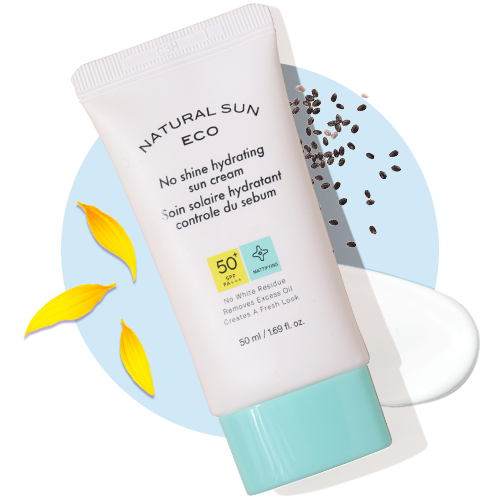
- Sunscreen: Never skip SPF 30+ during the day, even indoors.
Mini-checklist: Avoid heavy oils in humid weather, and always patch-test new products.
Which Ingredients Are Best for Glass Skin on Indian Skin Tones?
Indian dermatologists highlight these K-beauty ingredients for their proven benefits:
- Rice Water: Brightens and soothes, ideal for pigmentation-prone skin.
- Ceramides: Strengthen the skin barrier, crucial for pollution-exposed skin.
- Snail Mucin: Hydrates and repairs without heaviness.
- Centella Asiatica: Calms redness and supports healing.
- Hyaluronic Acid: Attracts water for plump, glassy skin.
Counterintuitive fact: Oily skin types in India often benefit from lightweight hydration rather than skipping moisturizer, as dehydration can trigger more oil production.
How Do I Adapt the Glass Skin Routine for Indian Budgets?
Achieving glass skin doesn't require breaking the bank. Dermatologists recommend:
- Invest in a quality cleanser and sunscreen - these are non-negotiable for results.
- Use multi-tasking products like the Ceramide & Rice Moisturizing Skincare kit for value (often under INR 1500 for a complete routine).
- Sheet masks from the Masksheets collection offer a hydration boost for under INR 150 per use.
Dermatologists caution against buying unverified products from unofficial sources, as counterfeit skincare is a growing issue in India.
Is Exfoliation Safe for Indian Skin? How Often Should I Do It?
Exfoliation is vital for glass skin but must be gentle. Indian skin can be sensitive to over-exfoliation, leading to dark spots or irritation.
- Recommended: Use a mild chemical exfoliant or a gentle scrub from the Exfoliating Gel & Face Exfoliators collection 1-2 times per week.
- Checklist: Avoid harsh physical scrubs, especially if you have active acne or pigmentation.
- Fact: Over-exfoliation can worsen pigmentation, a common concern for Indian skin tones.
How Do I Prevent Greasiness and Breakouts in Humid Indian Weather?
Humidity can make skin feel sticky and increase the risk of clogged pores. Dermatologists suggest:
- Opt for water-based, oil-free moisturizers and emulsions.
- Layer lightweight products rather than using one heavy cream.
- Blotting papers or a splash of cold water can help control midday shine.
Tip: Products like the Ceramide & Rice Moisturizing Emulsion 70ml are designed for fast absorption and non-greasy finish, ideal for Indian summers.
What Are the Most Common Mistakes Indians Make When Trying Glass Skin Routines?
Dermatologists see these pitfalls often:
- Skipping sunscreen, which undoes brightening and hydration efforts.
- Layering too many actives at once, leading to irritation.
- Using products not suited for Indian skin tones or climate.
- Expecting instant results - glass skin is a journey, not a quick fix.
Mini-checklist: Introduce one new product at a time and monitor your skin's response for at least a week.
How Do I Choose Authentic K-Beauty Products in India?
With the rise of K-beauty in India, counterfeit products are a real risk. Dermatologists recommend:
- Buy only from authorized retailers or official brand stores like The Face Shop.
- Check for MRP stickers, batch numbers, and expiry dates.
- Look for ingredient lists in English and avoid products with unclear labeling.
Fact: Authentic products may cost slightly more (INR 100-300 difference) but ensure safety and efficacy.
Can Glass Skin Routines Help with Pigmentation and Uneven Tone?
Yes, but with realistic expectations. Glass skin routines focus on hydration, barrier repair, and gentle brightening - not bleaching. Dermatologists note:
- Ingredients like rice water, niacinamide, and Centella Asiatica help fade dark spots over time.
- Consistent sunscreen use is essential to prevent further pigmentation.
- Results may take 2-3 months for visible improvement in stubborn spots.
Tip: Pair your routine with sun-protective clothing and hats for best results in Indian sun.
FAQ: Your Top Glass Skin Questions, Answered by Dermatologists
-
Is glass skin achievable for deeper Indian skin tones?
Absolutely. Glass skin is about healthy, hydrated, and even-toned skin, not fairness. The routine works for all Indian skin tones. -
How long does it take to see results from a glass skin routine?
Most people notice improved hydration and glow in 2-4 weeks, but visible changes in tone and texture may take 6-8 weeks with consistent use. -
Can I use K-beauty routines if I have sensitive or acne-prone skin?
Yes, but choose fragrance-free, non-comedogenic products and introduce new items slowly. Patch-testing is crucial for sensitive skin. -
Do I need to use all 10 steps of the Korean routine?
No. Dermatologists recommend 4-6 steps tailored to your skin type and climate. Over-layering can backfire in Indian humidity. -
Are sheet masks necessary for glass skin?
Sheet masks are a great hydration boost but not mandatory. Use them 1-2 times a week for extra glow, especially before events.
FAQ
Is glass skin achievable for deeper Indian skin tones?
Absolutely. Glass skin is about healthy, hydrated, and even-toned skin, not fairness. The routine works for all Indian skin tones.
How long does it take to see results from a glass skin routine?
Most people notice improved hydration and glow in 2-4 weeks, but visible changes in tone and texture may take 6-8 weeks with consistent use.
Can I use K-beauty routines if I have sensitive or acne-prone skin?
Yes, but choose fragrance-free, non-comedogenic products and introduce new items slowly. Patch-testing is crucial for sensitive skin.
Do I need to use all 10 steps of the Korean routine?
No. Dermatologists recommend 4-6 steps tailored to your skin type and climate. Over-layering can backfire in Indian humidity.
Are sheet masks necessary for glass skin?
Sheet masks are a great hydration boost but not mandatory. Use them 1-2 times a week for extra glow, especially before events.