
Quick Summary
Discover expert answers to common monsoon skincare routine problems in India. Learn how your quest for glass skin may worsen clogged pores and how to fix it.
Monsoon brings relief from the heat, but for many Indians, it also brings a wave of skin woes - especially when chasing that coveted 'glass skin' look. Are your K-beauty-inspired routines actually making your pores more congested? We asked dermatologists and K-beauty experts to break down the most common monsoon skincare routine problems and how to fix them for Indian skin and climate.
Why Do Pores Get Worse During the Indian Monsoon?
India's monsoon humidity can increase oil production, sweat, and pollution exposure. Dermatologists note that this combination leads to more clogged pores and breakouts. A 2023 survey by the Indian Association of Dermatologists found that 68% of urban respondents reported increased pore congestion during monsoon months.
- Humidity causes sebaceous glands to work overtime, especially in cities like Mumbai and Kolkata.
- Pollution particles stick to sweaty skin, making thorough cleansing crucial.
- Layering heavy products can trap sweat and sebum, worsening congestion.
Tip: Adjust your routine for the season - what works in winter may backfire in monsoon.
Glass Skin in Monsoon: The Most Common Mistakes
The 'glass skin' trend, popularized by K-beauty, emphasizes dewy, luminous skin. But in India's sticky monsoon, some steps can backfire:
- Over-layering serums and creams: Too many products can suffocate skin and clog pores.
- Skipping exfoliation: Dead skin and sweat build up faster in humidity, so gentle exfoliation is key.
- Using occlusive oils or balms: These can trap sweat and bacteria, especially if you commute daily.
Dermatologists recommend simplifying your routine and choosing lightweight, non-comedogenic formulas.
Are You Cleansing Enough - or Too Much?
Many Indians double down on cleansing during monsoon, fearing oiliness. But over-cleansing can strip your skin barrier, leading to rebound oiliness and irritation.
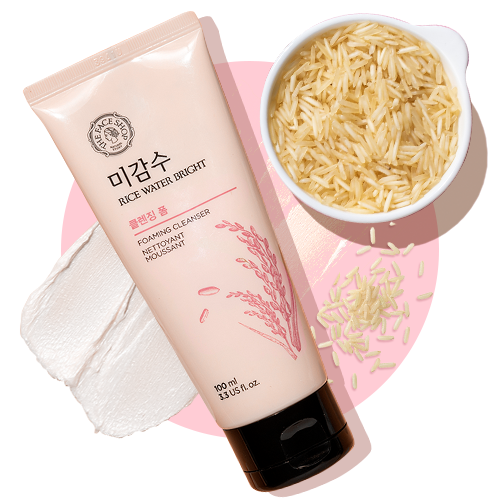
- Use a gentle, pH-balanced cleanser like Vitamin C Brightening Foaming Face Wash from The Face Shop for effective yet non-stripping cleansing.
- Limit cleansing to twice daily unless you sweat excessively.
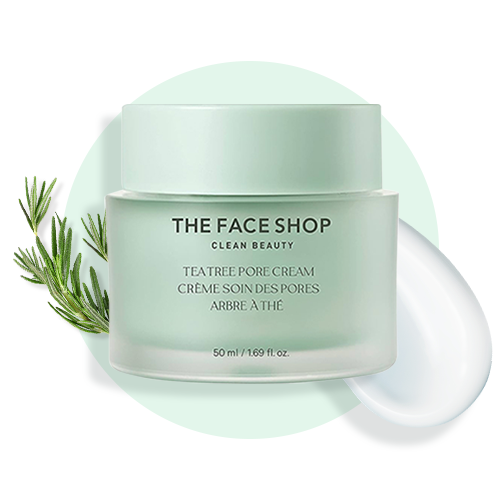
- Look for ingredients like tea tree oil or centella asiatica for added soothing and anti-bacterial benefits.
Evidence shows that harsh cleansers with sulfates (SLS/SLES) can worsen sensitivity and breakouts in humid conditions.
Exfoliation: How Much Is Too Much During Monsoon?
Exfoliation helps prevent clogged pores, but aggressive scrubbing can damage your skin barrier. Experts recommend:
- Opt for chemical exfoliants (like AHAs or BHAs) 1-2 times a week, not daily.
- Try sheet masks with gentle exfoliating actives - see the Masksheets collection for options suitable for Indian skin.
- Avoid physical scrubs with large, rough particles that can cause microtears.
Dermatologists caution that over-exfoliation can trigger redness, sensitivity, and even more oil production.
Hydration vs. Heaviness: Choosing the Right Moisturizer
Many skip moisturizer in monsoon, fearing greasiness. But dehydration can actually make pores look larger and skin duller. The trick is to pick lightweight, hydrating formulas:
- Look for gel-based or emulsion textures with hyaluronic acid or ceramides.
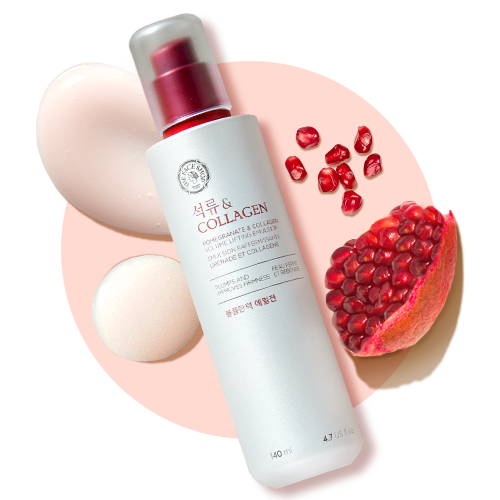
- Try Collagen & Pomegranate Volume Lifting Emulsion for plumping hydration without heaviness.
- Avoid thick creams or oils unless your skin is very dry.
In a 2022 Mumbai consumer study, 74% of users reported less pore congestion when switching to gel moisturizers during monsoon.
Sheet Masks: Friend or Foe for Monsoon Pores?
Sheet masks are a K-beauty staple, but not all are ideal for humid Indian weather. Dermatologists suggest:
- Choose masks with soothing, non-comedogenic ingredients like centella asiatica or green tea.
- Avoid masks with heavy oils or rich creams if you have oily or combination skin.
- Use sheet masks as a weekly treat, not a daily ritual, to avoid over-hydration and congestion.
Browse the Masksheets collection for India-appropriate options.
Ingredient Watch: What to Use and What to Avoid
Some ingredients are better suited for monsoon skincare in India:
- Best for Monsoon: Tea tree oil, centella asiatica, hyaluronic acid, niacinamide, ceramides.
- Use with Caution: Heavy oils, petrolatum, coconut oil (can clog pores in humidity).
- Avoid: Harsh sulfates, strong alcohols, and abrasive scrubs.
Always patch-test new products, especially if you have sensitive or acne-prone skin.
How to Build a Monsoon Routine That Won't Clog Your Pores
Here's a dermatologist-approved, India-friendly routine for healthy pores in monsoon:
- Cleanse: Gentle, pH-balanced face wash morning and night.
- Tone (optional): Alcohol-free, hydrating toner.
- Treat: Lightweight serum with niacinamide or centella asiatica.
- Moisturize: Gel or emulsion-based moisturizer.
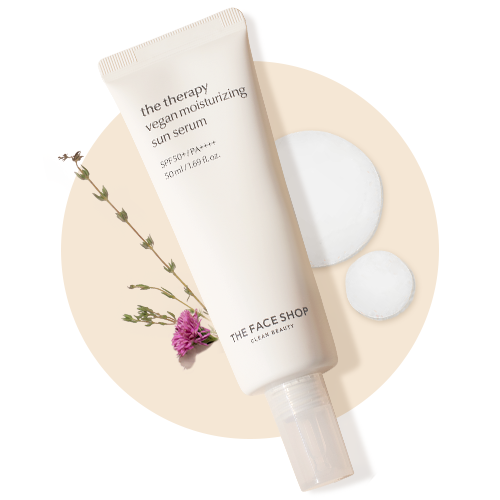
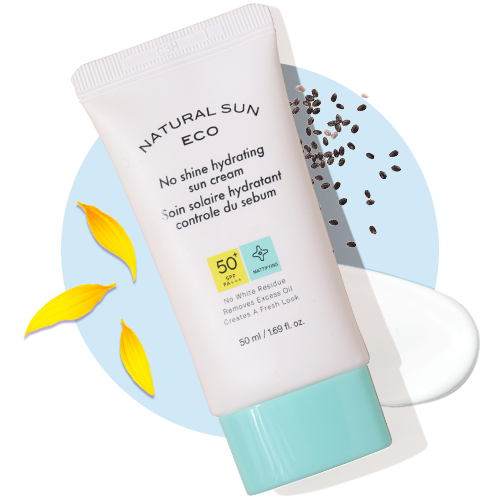
- Protect: Non-comedogenic sunscreen, even on cloudy days.
- Weekly: Gentle exfoliation and a suitable sheet mask.
Mini-checklist for Indian monsoon:
- Wash pillowcases and masks frequently.
- Blot excess sweat with a clean tissue, not your hands.
- Keep blotting papers handy for midday oil control.
When to See a Dermatologist
If you notice persistent breakouts, redness, or irritation despite adjusting your routine, consult a dermatologist. Some skin conditions like fungal acne or seborrheic dermatitis are more common in Indian monsoon and may need prescription care.
Remember, not every viral K-beauty hack suits Indian weather or skin types. Personalize your approach for best results.
FAQ
Can I use the same skincare routine in monsoon as in winter?
No, monsoon humidity in India requires lighter, non-comedogenic products. What works in winter may clog pores during monsoon.
How often should I exfoliate my skin during monsoon?
Limit exfoliation to 1-2 times a week using gentle chemical exfoliants. Over-exfoliating can damage your skin barrier.
Are sheet masks safe to use in humid weather?
Yes, but choose masks with lightweight, soothing ingredients and avoid daily use to prevent congestion.
Should I skip moisturizer if my skin feels oily in monsoon?
No, use a gel-based or emulsion moisturizer to hydrate without heaviness. Skipping moisturizer can lead to dehydration and larger-looking pores.
When should I see a dermatologist for pore problems?
If you have persistent breakouts, redness, or irritation despite adjusting your routine, consult a dermatologist. Some conditions need prescription care.