
Quick Summary
Indian dermatologists answer your top monsoon serum questions: how to adapt ingredients, layering, and routines for humid weather and achieve 'glass skin' safely.
Monsoon in India brings relief from the heat, but also sticky humidity and skin confusion. If you’re chasing the coveted 'glass skin' look or simply want to keep your skin healthy, you’ve probably wondered: Should I change my serums for the rainy season? Which ingredients work best? And is it even possible to achieve that luminous, poreless finish when the air feels like soup?
We gathered top Indian dermatologists’ answers to your most pressing monsoon serum questions. Read on for practical, evidence-backed advice, India-specific examples, and clear trade-offs so you can build your best monsoon skincare routine.
1. Why Does Monsoon Weather Affect Serum Performance?
Hook: Did you know that high humidity can actually change how your serum works on your skin?
- Indian monsoon humidity often exceeds 80%, leading to increased sebum and sweat production.
- Serums with heavy oils or occlusives can feel greasy or clog pores in these conditions.
- Water-based, lightweight serums absorb better and feel fresher during the rainy season.
Dermatologists in Mumbai and Chennai report a spike in breakouts and dullness during monsoon, often linked to using the same rich serums as in winter. Adjusting your serum texture and actives can help your skin stay balanced and radiant.
2. Should I Switch My Serum Ingredients for Monsoon?
Hook: Not all actives are created equal for humid Indian weather.
- Best for Monsoon: Niacinamide, Vitamin C, PHAs, and lightweight peptides.
- Use with Caution: Heavy oils, thick silicones, and strong retinoids (which can increase sensitivity in fluctuating humidity).
For example, Vitamin C serums help fight pollution-induced dullness and boost glow, but opt for stable, non-oily formulas. PHAs (Polyhydroxy acids) gently exfoliate without over-drying, making them ideal for monsoon congestion. Dermatologists recommend avoiding comedogenic oils, especially if you’re prone to breakouts.
3. How Should I Layer Serums in the Monsoon?
Hook: Layering can make or break your monsoon routine.
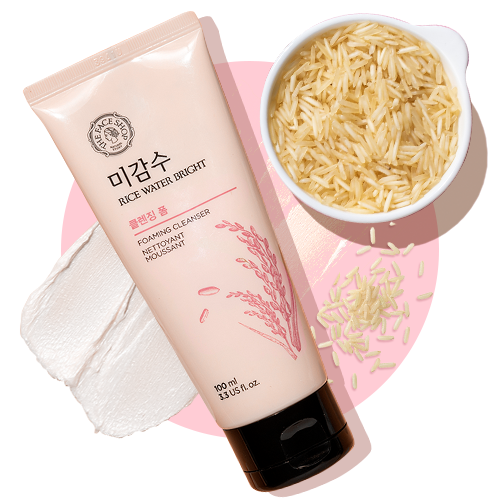
- Start with a gentle cleanser like Rice Water Bright Cleansing Foam to remove sweat and pollution.
- Apply a lightweight, water-based serum (such as a peptide serum or Vitamin C serum).
- Seal with a non-greasy emulsion or gel moisturizer. Try Ceramide & Rice Lightweight Emulsion for barrier repair without heaviness.
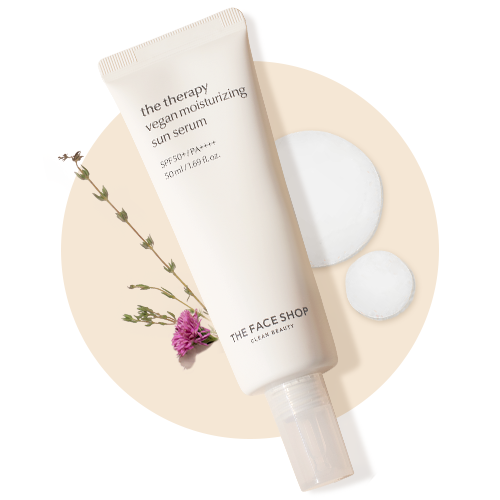
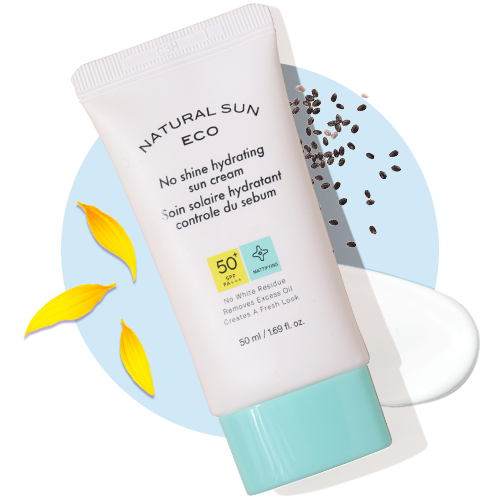
- Finish with a matte sunscreen like NaturalSun Eco No Shine Hydrating Sun Cream to prevent UV and humidity damage.
Pro tip: Wait 30-60 seconds between layers for optimal absorption. In humid cities like Kolkata, this prevents pilling and stickiness.
4. Can I Still Achieve 'Glass Skin' During Monsoon?
Hook: Glass skin isn’t about shine; it’s about healthy, hydrated, even-toned skin.
- Focus on gentle exfoliation (PHAs or low-dose AHAs) to prevent congestion.
- Use hydrating serums with humectants like hyaluronic acid, but avoid layering too many products.
- Blotting papers and lightweight moisturizers help control excess oil without stripping skin.
Indian dermatologists caution that over-layering can backfire in monsoon, leading to clogged pores. Instead, streamline your routine and choose multi-tasking serums. For example, a peptide serum can hydrate, repair, and support glow in one step.
5. What Are the Most Common Serum Mistakes Indians Make in Monsoon?
Hook: Avoid these pitfalls for clear, glowing skin all season.
- Using winter serums with heavy oils or butters.
- Skipping sunscreen because it feels sticky (modern formulas like NaturalSun Eco No Shine are designed for humidity).
- Over-exfoliating, which can damage the skin barrier in humid weather.
- Not adjusting actives for increased sweat and pollution exposure.
Dermatologists recommend reviewing your routine at the start of every season. Even a small tweak, like switching to a lighter emulsion or a stable Vitamin C serum, can make a noticeable difference.
6. How Do I Choose the Right Serum for My Skin Type in Monsoon?
Hook: One size does not fit all; especially in India’s diverse climates.
- Oily/Acne-Prone: Look for niacinamide, PHAs, or lightweight Vitamin C. Avoid comedogenic oils.
- Dry/Dehydrated: Use hydrating serums with hyaluronic acid and peptides. Layer with a light emulsion.
- Sensitive: Choose fragrance-free, minimal-ingredient serums. Patch test new actives.
For value, many effective serums are available in India for under INR 1500. Investing in a targeted serum can prevent costly treatments for post-monsoon pigmentation or breakouts.
7. Are K-Beauty Serums Suitable for Indian Monsoon?
Hook: K-beauty is trending, but does it work for our climate?
- K-beauty serums are often formulated for humid East Asian climates, making them a good fit for Indian monsoon.
- Look for water-based, non-comedogenic formulas. The Face Shop offers several options tailored for humidity and pollution.
- Always check ingredient lists for suitability with your skin type and concerns.
Many Indian consumers report better results with K-beauty serums during monsoon compared to heavier Western formulas. However, always patch test and introduce new products gradually.
8. How Can I Maximize Serum Benefits Without Overloading My Skin?
Hook: Less is more; especially when the air is thick with moisture.
- Stick to 1-2 serums per routine. Over-layering can trap sweat and sebum, leading to congestion.
- Alternate actives: Use Vitamin C in the morning, peptides or PHAs at night.
- Pair with a gentle cleanser and lightweight moisturizer for best results.
Mini-checklist for monsoon serum success:
- Choose lightweight, water-based formulas
- Limit actives to avoid irritation
- Always use sunscreen, even on cloudy days
- Adjust routine if you notice increased breakouts or dullness
Conclusion: Build Your Best Monsoon Serum Routine
Adapting your serum routine for the Indian monsoon is not just about switching products; it’s about understanding your skin’s changing needs. By choosing the right ingredients, layering thoughtfully, and streamlining your routine, you can maintain healthy, glowing skin all season. For a curated selection of monsoon-friendly serums and expert advice, explore our peptide serum collection and Vitamin C serums at The Face Shop.
FAQ
Do I need to stop using serums in the monsoon?
No, but you should switch to lighter, water-based serums and avoid heavy oils. This helps prevent clogged pores and breakouts common in humid Indian weather.
Which serum ingredients are best for oily skin during monsoon?
Niacinamide, PHAs, and lightweight Vitamin C are ideal. Avoid comedogenic oils and thick silicones that can worsen oiliness.
Can I use multiple serums in my monsoon routine?
Limit to 1-2 serums per routine to avoid overloading your skin. Alternate actives (like Vitamin C in the morning, peptides at night) for best results.
Are K-beauty serums effective in Indian monsoon?
Yes, many K-beauty serums are formulated for humid climates and work well in India. Choose water-based, non-comedogenic options and patch test new products.
How do I prevent breakouts when using serums in monsoon?
Use gentle cleansers, avoid heavy or occlusive serums, and always apply sunscreen. Adjust actives if you notice increased congestion or irritation.