
Quick Summary
Confused about layering Korean actives for glass skin? Indian dermatologists explain the right routine, what not to mix, and how to avoid irritation for Indian skin types.
Layering Korean skincare actives can be confusing, especially for Indian skin types prone to pigmentation, sensitivity, and barrier issues. If you want that coveted 'glass skin' glow, understanding the right order and combinations is crucial. We asked Indian dermatologists and K-Beauty experts to break down the science, share practical tips, and reveal what to avoid for safe, effective results.
Why Layering Order Matters: Indian Skin Needs a Custom Approach
Indian skin is more prone to hyperpigmentation and post-inflammatory dark spots due to higher melanin content. According to Dr. Priya Sharma (MD Dermatology, Mumbai), “Incorrect layering can trigger irritation, worsen pigmentation, or reduce the effectiveness of actives.” The humid climate, pollution, and sun exposure in India make a gentle, strategic approach essential.
- Barrier health first: Overusing strong actives can damage your skin barrier, leading to redness and breakouts.
- Right order = better results: Applying actives in the correct sequence ensures maximum absorption and minimal irritation.
- INR value tip: Layering correctly means you get the most out of every product, saving money in the long run.
Step 1: Start with a Gentle Cleanser Suited for Indian Pollution
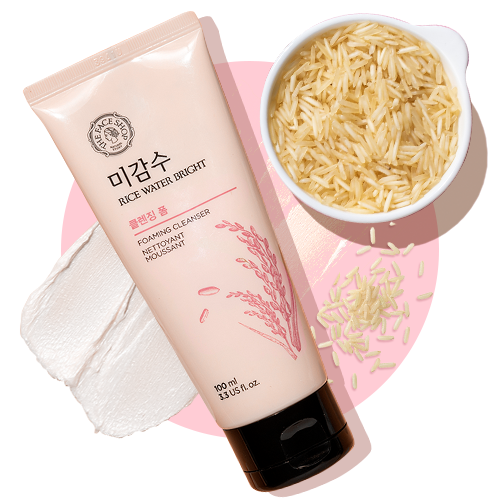
Pollution in Indian cities can clog pores and dull your complexion. Begin with a gentle, low-pH cleanser that removes dirt without stripping natural oils. For example, The Face Shop Vitamin C Brightening Foaming Face Wash is formulated to brighten and cleanse, ideal for Indian urban environments. Dermatologists recommend double cleansing if you wear sunscreen or makeup daily.
- Look for ingredients like vitamin C or rice extract for added brightening.
- Avoid harsh sulfates, which can worsen dryness and sensitivity.
- INR value: A quality cleanser can last 2-3 months, costing less than ₹15 per use.
Step 2: Hydrating Toners - Why They’re a Game Changer in Humid India
Unlike astringent Western toners, K-Beauty toners hydrate and prep your skin for actives. In India’s humid climate, lightweight hydrating toners help balance oil and moisture. Try a hydrating toner with hyaluronic acid or rice extract. These ingredients attract water to the skin, making it plump and ready for serums.
- Rice extract is especially good for brightening Indian skin tones.
- Pat in with hands for better absorption - cotton pads can waste product.
- Mini-checklist: After toner, your skin should feel supple, not sticky.
Step 3: Vitamin C and Niacinamide - The Brightening Duo (But Mind the Mix!)
Vitamin C (ascorbic acid or derivatives) and niacinamide are top choices for fading dark spots and boosting radiance. But can you layer them? Recent studies show that layering vitamin C and niacinamide is safe and effective for most Indian skin types, provided you use gentle formulas and introduce them gradually.
- Order tip: Apply vitamin C serum first, wait 10 minutes, then layer niacinamide.
- Choose stable, gentle vitamin C (like sodium ascorbyl phosphate) to avoid irritation.
- Niacinamide (2-5%) helps reduce pigmentation and strengthens the skin barrier.
- Counterintuitive fact: Some Indian users see better results using vitamin C in the morning and niacinamide at night, especially if sensitive.
Step 4: Alpha Arbutin, Tranexamic Acid, and Other Targeted Actives
For stubborn pigmentation or melasma, Indian dermatologists often recommend layering alpha arbutin or tranexamic acid after vitamin C and before moisturizer. These actives are gentle enough for daily use and work well with Indian skin’s tendency for dark spots.
- Apply alpha arbutin or tranexamic acid serum after vitamin C and niacinamide.
- Do not mix with strong exfoliating acids in the same routine.
- INR tip: These serums are available in India from ₹400-₹1200, offering visible results in 4-8 weeks.
Step 5: Retinol and Exfoliating Acids - Proceed with Caution
Retinol and exfoliating acids (like AHAs/BHAs) are powerful but can irritate Indian skin, especially when combined with vitamin C or other actives. Dermatologists advise:
- Use retinol only at night, after hydrating toner and before moisturizer.
- Never layer retinol with vitamin C, AHAs, or BHAs in the same routine.
- Introduce retinol slowly - start with twice a week, then increase as tolerated.
- Counterintuitive: Some Indian users find better tolerance by sandwiching retinol between two layers of moisturizer.
Step 6: Moisturizer - Seal in Actives Without Heaviness
Moisturizer locks in all previous layers and prevents water loss. For Indian skin, choose lightweight gel or emulsion textures that hydrate without clogging pores. Ingredients like rice extract, hyaluronic acid, and ceramides are ideal. If you use actives, a soothing moisturizer helps calm any potential irritation.
- Apply moisturizer as the final step at night, or before sunscreen in the morning.
- INR value: A good moisturizer can last 2-3 months, with options starting at ₹500.
- Mini-checklist: Skin should feel comfortable, not greasy or tight.
Step 7: Sunscreen - The Non-Negotiable for Glass Skin in India
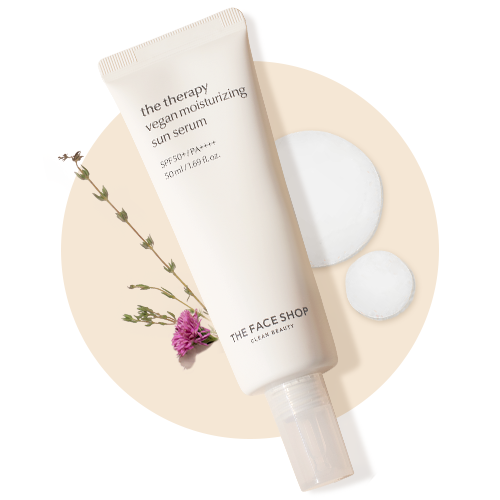
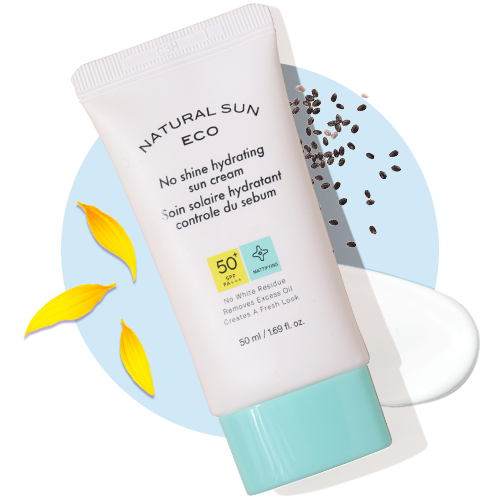
Sun exposure is the number one cause of pigmentation and dullness in Indian skin. Always finish your morning routine with a broad-spectrum sunscreen (SPF 30+). Reapply every 2-3 hours if outdoors. Sunscreen prevents actives from being wasted and protects your investment in skincare.
- Look for lightweight, non-comedogenic formulas suited for humid Indian weather.
- Apply generously - most people use too little, reducing protection.
- INR tip: Daily sunscreen use can save thousands on future pigmentation treatments.
What Not to Mix: Common Mistakes Indian Consumers Make
Mixing the wrong actives can cause irritation, breakouts, or worsen pigmentation. Dermatologists warn against:
- Layering vitamin C and retinol in the same routine - alternate days or use vitamin C in the morning, retinol at night.
- Combining multiple exfoliating acids (like AHA + BHA + vitamin C) in one session.
- Using strong actives daily without monitoring your skin’s response.
- Skipping moisturizer or sunscreen after actives - this can undo all your progress.
Always patch test new combinations and introduce one active at a time.
Routine Builder: Example K-Beauty Layering Routine for Indian Skin
Here’s a sample routine using products and actives available in India, tailored for pigmentation and barrier health:
- Gentle cleanser (The Face Shop Vitamin C Brightening Foaming Face Wash)
- Hydrating toner (Rice Toner)
- Vitamin C serum (morning) or retinol (night, not together)
- Niacinamide serum (after vitamin C, or on alternate nights with retinol)
- Alpha arbutin or tranexamic acid serum (optional, for dark spots)
- Lightweight moisturizer
- Sunscreen (morning only)
Adjust based on your skin’s needs and tolerance. For lips, try a gentle lip scrub weekly for smoothness.
FAQs: Layering Korean Actives for Indian Skin
-
Can I use vitamin C and niacinamide together?
Yes, most Indian skin types can safely layer them. Apply vitamin C first, wait 10 minutes, then niacinamide. -
How often should I use retinol if I have sensitive Indian skin?
Start with twice a week at night, then increase as tolerated. Always use a moisturizer and sunscreen. -
Is it necessary to use all these actives for glass skin?
No, choose actives based on your main concerns. Over-layering can cause irritation. -
What should I do if I get irritation or breakouts?
Stop all actives, focus on gentle cleansing and moisturizing, then reintroduce one product at a time. -
Are K-Beauty actives suitable for all Indian skin tones?
Yes, but always patch test and start with lower concentrations, especially for sensitive or deeper skin tones.
FAQ
Can I use vitamin C and niacinamide together?
Yes, most Indian skin types can safely layer them. Apply vitamin C first, wait 10 minutes, then niacinamide.
How often should I use retinol if I have sensitive Indian skin?
Start with twice a week at night, then increase as tolerated. Always use a moisturizer and sunscreen.
Is it necessary to use all these actives for glass skin?
No, choose actives based on your main concerns. Over-layering can cause irritation.
What should I do if I get irritation or breakouts?
Stop all actives, focus on gentle cleansing and moisturizing, then reintroduce one product at a time.
Are K-Beauty actives suitable for all Indian skin tones?
Yes, but always patch test and start with lower concentrations, especially for sensitive or deeper skin tones.