
Quick Summary
Discover why dermatologists say rice water is a game-changer for Indian skin. Learn the science behind its glass skin benefits—beyond just brightening.
Rice water has become a buzzword in K-Beauty, especially among Indian skincare enthusiasts seeking the coveted ‘glass skin’ look. But is it just about brightening, or does rice water offer deeper benefits for Indian skin? We spoke to dermatologists and analyzed the science to answer your top questions and bust common myths.
1. What Exactly Is ‘Glass Skin’ - And Why Is It Trending in India?
‘Glass skin’ refers to a complexion that looks luminous, smooth, and almost poreless - like a pane of glass. In India, where humidity, pollution, and pigmentation are daily concerns, this trend resonates because it promises healthy, hydrated, and even-toned skin. Unlike Western trends that focus on matte finishes, glass skin is all about moisture and radiance.
- Indian climate advantage: Humidity can help lock in moisture, but pollution and sun exposure demand extra care for barrier health.
- Consumer insight: Over 60% of Indian women surveyed by Nykaa in 2023 cited ‘glow’ and ‘even tone’ as their top skincare goals.
2. Rice Water: More Than a Brightening Agent
Rice water is the starchy liquid left after rinsing or boiling rice. While it’s famous for brightening, dermatologists highlight its multi-dimensional benefits for Indian skin:
- Rich in antioxidants: Ferulic acid and inositol help combat free radical damage from UV and pollution - key for Indian cities.
- Supports skin barrier: Amino acids and vitamins B and E in rice water strengthen the skin’s protective layer, reducing sensitivity and dehydration.
- Boosts elasticity: Studies (NCBI, 2018) show rice water can improve skin firmness, which is crucial for preventing early signs of aging in Indian skin exposed to harsh sun.
3. How Does Rice Water Work for Indian Skin Tones?
Indian skin is diverse, ranging from fair to deep brown, and often prone to pigmentation, dullness, and uneven texture. Rice water’s gentle action makes it suitable for all tones:
- Non-irritating: Unlike some actives, rice water rarely causes redness or peeling, making it ideal for sensitive or melanin-rich skin.
- Reduces post-inflammatory hyperpigmentation (PIH): Dermatologists note that rice water’s niacinamide content can help fade dark spots from acne or sun exposure, a common concern in India.
- Balances oil: Its light texture hydrates without clogging pores, a win for oily and combination skin types prevalent in humid Indian regions.
4. The Science: What Makes Rice Water Effective for ‘Glass Skin’?
Rice water’s efficacy comes from its unique blend of nutrients:
- Inositol: Promotes cell regeneration and moisture retention, giving skin a plump, dewy look.
- Ferulic acid: A powerful antioxidant that shields against environmental stressors.
- Niacinamide: Known for brightening and barrier repair, it’s especially effective for Indian skin prone to pigmentation.
Clinical studies (NCBI, 2018) confirm that topical rice water can improve skin elasticity and reduce roughness within 4-6 weeks of regular use.
5. Rice Water vs. Other Brightening Ingredients: What’s the Difference?
Many Indian consumers compare rice water to vitamin C, licorice, or kojic acid. Here’s how rice water stands out:
- Gentler on skin: Rice water is less likely to cause irritation or sensitivity, making it suitable for daily use - even in summer.
- Multi-tasking: While vitamin C targets pigmentation, rice water also hydrates and strengthens the barrier, addressing multiple concerns at once.
- Affordable: High-quality rice water products are available in India from INR 400 to INR 1500, offering value compared to some imported actives.
6. How to Use Rice Water in Your Routine for Maximum Results
Dermatologists recommend integrating rice water-based products into a simple, effective routine:
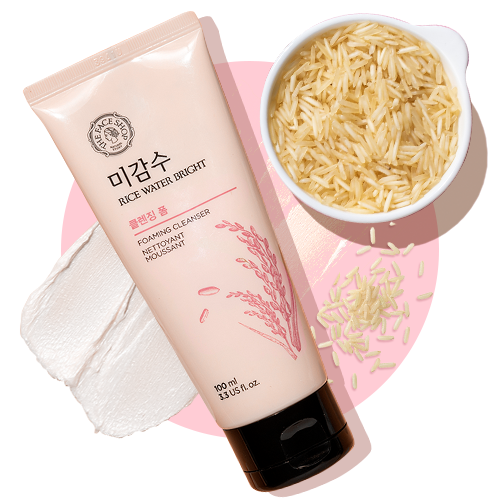
- Cleanse: Start with a gentle cleanser like Rice Water Bright Cleansing Foam to remove impurities without stripping moisture.
- Treat: Apply a rice water essence or toner to prep the skin and boost absorption of subsequent products.
- Moisturize: Lock in hydration with Rice Water Bright Vegan Cream, which combines rice water with nourishing emollients.
- Protect: Always finish with a broad-spectrum sunscreen, especially in India’s intense sun.
Pro tip: For oily skin, use lightweight rice water formulas in the morning and richer creams at night.
7. DIY Rice Water: Is It Safe for Indian Skin?
While DIY rice water is popular, dermatologists caution about hygiene and consistency:
- Contamination risk: Homemade rice water can harbor bacteria if not stored properly, leading to breakouts or irritation.
- Unpredictable potency: Store-bought rice water products are formulated for stability and efficacy, ensuring you get the right concentration every time.
- Value for money: With products starting at INR 400, professionally formulated rice water skincare offers both safety and results.
8. Choosing the Right Rice Water Products in India: What to Look For
Not all rice water products are created equal. Here’s a quick checklist for Indian shoppers:
- Check the ingredient list: Look for rice extract or rice ferment filtrate high up in the list.
- Consider your skin type: Oily skin? Opt for gels or light lotions. Dry skin? Creams with added ceramides or hyaluronic acid work best.
- Look for value deals: Explore offers like 2 at 799 or BOGO for affordable bundles.
- Patch test: Always test new products on a small area, especially if you have sensitive or acne-prone skin.
9. Real Results: What Indian Users and Dermatologists Say
Clinical evidence and user reviews align: rice water delivers visible improvements in texture, glow, and barrier strength within weeks. Dermatologists note that consistent use - paired with sun protection - yields the best results for Indian skin. Many users report:
- Reduced dullness and pigmentation
- Softer, more hydrated skin
- Fewer breakouts and less irritation compared to harsher actives
Remember, results vary based on skin type, routine consistency, and environmental factors.
10. Key Takeaways: Is Rice Water Right for You?
- Rice water is more than a brightener - it hydrates, strengthens, and soothes Indian skin.
- Choose professionally formulated products for safety and consistent results.
- Pair with sunscreen and a balanced routine for optimal ‘glass skin’ effects.
- Look for value bundles and patch test before full use.
Ready to try rice water for yourself? Explore The Face Shop’s Rice Water Bright range for dermatologist-backed options tailored to Indian skin needs.
FAQ
Is rice water safe for sensitive Indian skin?
Yes, rice water is generally gentle and suitable for sensitive skin. Always patch test before full application.
How long does it take to see results with rice water products?
Most users notice improved glow and texture within 4-6 weeks of consistent use.
Can I use rice water with other actives like vitamin C or retinol?
Yes, rice water pairs well with most actives. Use vitamin C in the morning and retinol at night, with rice water-based products layered underneath.
Are rice water products suitable for oily and acne-prone skin?
Absolutely. Choose lightweight rice water formulas to hydrate without clogging pores.
Is DIY rice water as effective as store-bought products?
DIY rice water can be less stable and risk contamination. Professionally formulated products ensure safety and efficacy.