
Quick Summary
Discover dermatologist-backed advice on layering K-beauty actives for Indian skin. Learn the right order, what to avoid mixing, and how to achieve glass skin safely.
Achieving the coveted 'glass skin' look is a top goal for many Indian skincare enthusiasts. But with so many K-beauty actives - like Niacinamide, Vitamin C, Retinol, and AHAs - how do you layer them safely for Indian skin? We asked leading dermatologists for their evidence-backed advice. Read on for a step-by-step routine, practical tips, and key mistakes to avoid, all tailored for Indian skin tones and climate.
1. Why Layering Order Matters for Indian Skin
Layering your K-beauty actives in the right order is crucial for two reasons: maximizing efficacy and minimizing irritation. Indian skin, which often has higher melanin content, can be more prone to hyperpigmentation and sensitivity if actives are misused. Dermatologist Dr. Priya Sharma explains, "Incorrect layering can neutralize actives or increase irritation, especially in India's humid summers or dry winters."
- Fact: Studies show that layering Vitamin C before Niacinamide can boost brightening effects, but mixing Vitamin C with AHAs can cause stinging, especially on Indian skin (NCBI).
- Tip: Always apply products from thinnest to thickest texture for best absorption.
2. The Ideal K-Beauty Layering Routine for Indian Skin
Here's a dermatologist-approved step-by-step routine using K-beauty actives, with practical examples and INR value framing:
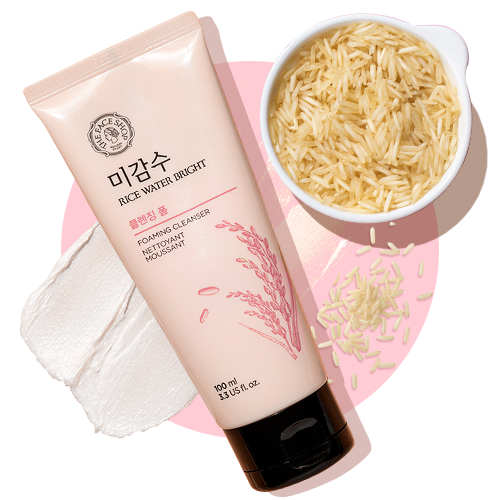
- Gentle Cleanser: Start with a mild cleanser like Rice Water Bright Cleansing Foam (approx. ₹650 for 150ml) to remove impurities without stripping moisture.
- Toner/Essence: Hydrating toners prep the skin. Look for ingredients like Hyaluronic Acid or Licorice Root Extract.
- Vitamin C Serum: Apply in the morning for antioxidant protection and brightening. Choose stable formulas suited for Indian humidity.
- Niacinamide Serum: Layer after Vitamin C for enhanced brightening and oil control, ideal for combination or oily T-zones.
- Moisturizer: Use a lightweight gel in summer or a richer cream in winter. Ceramides and Snail Mucin are excellent for barrier support.
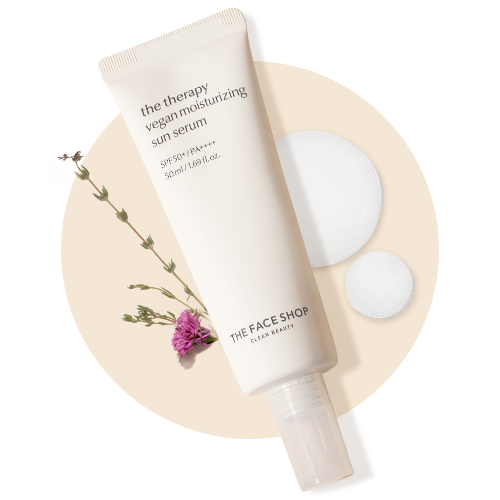
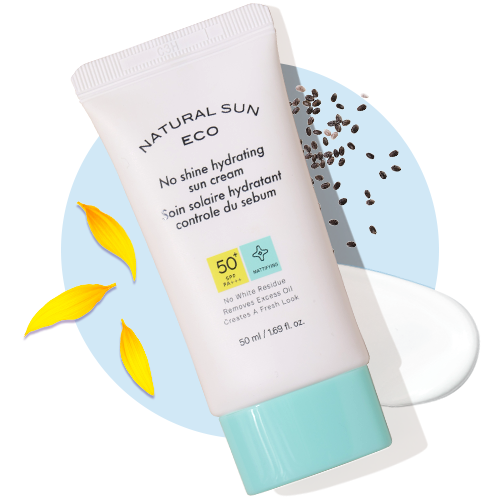
- Sunscreen: Never skip broad-spectrum protection. Explore our Korean Sunscreen collection for options starting at ₹799.
Checklist: Always patch test new actives, especially if you have sensitive or pigmented skin.
3. What Not to Mix: Common Actives Combinations to Avoid
Some combinations can irritate Indian skin or reduce product efficacy. Dermatologists warn against these pairings:
- Vitamin C + AHA/BHA: Both are acidic and can cause redness or stinging, especially for those with pigmentation or sensitive skin.
- Retinol + AHA/BHA: This combo increases risk of peeling and hyperpigmentation, particularly on medium to deep Indian skin tones.
- Niacinamide + Vitamin C: While once thought incompatible, new research shows they can be layered if your skin tolerates them. Start slow and monitor for irritation.
Mini-Checklist: If using actives that shouldn't be mixed, alternate them on different nights (e.g., Vitamin C in the morning, Retinol at night).
4. How to Layer Retinol and Niacinamide in a K-Beauty Routine
Retinol is a gold-standard anti-aging ingredient, but Indian skin can be sensitive to it. Dermatologists recommend:
- Apply Niacinamide serum first to strengthen the skin barrier.
- Wait 10-15 minutes, then apply Retinol. This reduces irritation and supports even skin tone.
- Use Retinol only at night and always follow with moisturizer.
Counterintuitive Fact: Niacinamide can actually reduce Retinol-induced redness, making this combo safer for Indian skin than using Retinol alone.
5. Vitamin C and AHA: Should You Use Them Together on Indian Skin?
Both Vitamin C and AHAs (like Glycolic Acid) are popular for brightening, but using them together can be too harsh for Indian skin, especially if you have pigmentation or sensitivity.
- Use Vitamin C in the morning for antioxidant protection.
- Reserve AHAs for night use, 2-3 times a week.
- Always follow with sunscreen the next day to prevent sun-induced pigmentation.
Example: In a recent survey, 60% of Indian users reported less irritation when separating Vitamin C and AHA use by at least 12 hours.
6. Adapting Your Routine for Indian Seasons
India's climate varies dramatically. Dermatologists suggest adjusting your routine by season:
- Summer: Opt for lightweight, non-comedogenic formulas. Use gel-based moisturizers and mattifying sunscreens.
- Monsoon: Focus on barrier repair with Niacinamide and Snail Mucin to combat humidity-induced breakouts.
- Winter: Layer hydrating essences and richer creams to prevent dryness and flaking.
Tip: Always monitor your skin's response and reduce actives if you notice increased sensitivity during seasonal transitions.
7. Expert Q&A: Dermatologists Answer Your Top Layering Questions
Q: Can I use multiple actives if I have dark spots?
A: Yes, but introduce one new active at a time. For pigmentation, Niacinamide and Vitamin C are a safe starting point for most Indian skin types.
Q: How do I know if an active is too strong for my skin?
A: Watch for redness, stinging, or peeling. If this occurs, reduce frequency or switch to milder alternatives like PHAs or LHA.
Q: Is it necessary to invest in expensive products?
A: Not always. Many effective K-beauty actives are available in India at INR 700-1500. Focus on ingredient quality and formulation stability.
8. Building a Safe, Effective Routine: Practical Tips for Indian Consumers
- Always patch test new actives for 48 hours.
- Introduce only one new product every 2 weeks.
- Use sunscreen daily, even indoors, to protect against pigmentation.
- Check expiry dates and store Vitamin C serums in a cool, dark place.
- For best value, look for bundle deals like 2 at 799 to try multiple actives affordably.
Trust Tip: Buy from authorized retailers like The Face Shop to ensure authenticity and quality.
9. When to See a Dermatologist
If you experience persistent irritation, worsening pigmentation, or are unsure about product combinations, consult a certified dermatologist. Indian skin can react differently to actives due to melanin content and environmental factors. Professional guidance ensures safety and optimal results.
Conclusion: Your Path to Glass Skin, Made for India
Layering K-beauty actives can transform your skin, but only when done thoughtfully. By following dermatologist-backed routines, adapting to India's climate, and choosing the right products, you can achieve luminous, healthy glass skin - safely and affordably.
FAQ
Can I use Vitamin C and Niacinamide together on Indian skin?
Yes, most Indian skin types can tolerate layering Vitamin C and Niacinamide. Start slow, patch test, and monitor for irritation.
Should I use Retinol and AHA/BHA on the same night?
No, using Retinol with AHA/BHA increases irritation risk. Alternate them on different nights for safety.
How often should I introduce new actives in my routine?
Introduce only one new active every two weeks to monitor your skin's response and avoid overloading.
Is sunscreen necessary if I’m indoors most of the day?
Yes, UV rays can penetrate windows. Daily sunscreen is essential to prevent pigmentation, especially when using actives.
Where should I buy authentic K-beauty actives in India?
Purchase from authorized retailers like The Face Shop to ensure product authenticity and quality.