
Quick Summary
Explore a head-to-head comparison of DIY rice water and K-Beauty rice water products for achieving 'Glass Skin' on Indian skin. Discover evidence, trade-offs, and practical tips.
‘Glass Skin’ - that luminous, poreless look - has taken Indian beauty circles by storm. But does the secret lie in your kitchen or in a K-Beauty bottle? This guide compares DIY rice water and K-Beauty rice water products, focusing on what truly works for Indian skin tones, climate, and concerns. Let’s help you make an informed, INR-smart decision.
1. What Is ‘Glass Skin’ - and Why Is It Trending in India?
‘Glass Skin’ refers to a complexion that looks smooth, hydrated, and almost translucent, like glass. While the trend originated in Korea, Indian influencers and dermatologists now champion it for its healthy, radiant finish. In India’s humid summers and pollution-prone cities, achieving this look means balancing hydration with oil control and addressing pigmentation common in Indian skin tones.
- Fact: According to a 2023 Nykaa survey, over 60% of Indian women aged 18-35 aspire to the ‘Glass Skin’ look.
- Hook: But can a simple kitchen remedy compete with advanced Korean formulations?
2. The Science Behind Rice Water for Skin: Ancient Wisdom Meets Modern Research
Rice water, the starchy liquid left after soaking or boiling rice, has been used in Asian beauty rituals for centuries. It contains vitamins (B, E), amino acids, and antioxidants. Recent studies (see NCBI) show rice water can soothe skin, improve barrier function, and offer mild brightening effects.
- DIY rice water is rich in inositol, which may help with skin elasticity.
- K-Beauty products often combine rice water with actives like niacinamide or hyaluronic acid for enhanced results.
Limitation: Most clinical studies are small or not India-specific, so real-world results may vary.
3. DIY Rice Water: How to Make It, Pros, and Common Pitfalls in Indian Homes
Making rice water at home is simple: rinse white rice, soak in water for 30 minutes, strain, and use the liquid as a toner or mask. It’s cost-effective (under INR 10 per batch) and free from preservatives.
- Pros: Budget-friendly, natural, and easy to prepare.
- Cons: Spoils quickly in India’s heat, risk of bacterial growth, and inconsistent potency.
Example: In Mumbai’s humid climate, DIY rice water can ferment within 24 hours, potentially irritating sensitive skin.
Checklist:
- Always store in the fridge and use within 2 days.
- Patch test before applying to your face.
4. K-Beauty Rice Water Products: What Sets Them Apart?
K-Beauty brands like The Face Shop have refined rice water into stable, skin-friendly formulas. These products often blend rice water with hydrating and brightening ingredients, are pH-balanced, and undergo safety testing for sensitive skin.
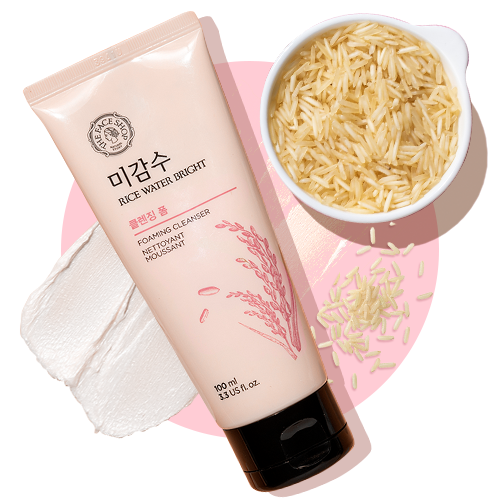
- Example: Rice Water Bright Cleansing Foam offers gentle cleansing and brightening, suitable for Indian skin exposed to pollution.
- Formulated products last months, not days, and are less likely to irritate.
INR Value: While a 100 ml tube may cost INR 400–700, it delivers consistent results and safety, making it a smart investment for many Indian consumers.
5. Ingredient Showdown: DIY vs. K-Beauty - What’s Inside Matters
DIY rice water is pure but lacks stabilizers and actives. K-Beauty rice water products often include:
- Niacinamide: Fades pigmentation, common in Indian skin.
- Hyaluronic Acid: Deep hydration without heaviness, ideal for humid Indian weather.
- Glycerin and Ceramides: Strengthen the skin barrier, reducing sensitivity from pollution.
Counterintuitive Fact: Pure rice water can sometimes dry out skin if overused, while K-Beauty formulas balance moisture and brightness.
6. Real Results: What Indian Users Say About DIY and K-Beauty Rice Water
Online reviews and dermatologist feedback reveal:
- DIY rice water: Some users report smoother skin, but many see minimal change in pigmentation or glow after weeks.
- K-Beauty rice water products: Consistent improvement in brightness and texture, especially when paired with a full routine.
Data Point: On Nykaa, The Face Shop Rice Water Bright Cleansing Foam holds a 4.4-star rating from over 3,000 Indian reviewers.
Limitation: Individual results vary; severe pigmentation may need dermatologist care.
7. Safety, Sensitivity, and Shelf Life: What Indian Skin Needs to Know
Indian skin is often prone to pigmentation, sensitivity, and breakouts. DIY rice water, if not handled hygienically, can introduce bacteria or cause irritation. K-Beauty products are dermatologically tested and designed for sensitive skin, reducing risk.
- Tip: If you have acne-prone or reactive skin, opt for tested products over DIY.
- DIY rice water should never be used past 48 hours, especially in hot climates.
8. INR Value Comparison: Is DIY Really Cheaper in the Long Run?
DIY rice water costs less upfront (under INR 10 per use), but frequent spoilage and inconsistent results can add up. K-Beauty rice water products, like Rice Water Bright Vegan Cream, offer months of use for INR 800–1,200, with proven safety and efficacy.
- Practical Example: A family in Delhi found that buying one tube of Rice Water Bright Cleansing Foam lasted three months, costing less per use than weekly DIY batches.
Trade-off: DIY is best for those who enjoy experimenting and have time for frequent prep. K-Beauty is ideal for busy professionals seeking reliable results.
9. Building a ‘Glass Skin’ Routine for Indian Skin: Step-by-Step
For best results, combine rice water products with gentle cleansers and hydrating toners. Here’s a simple routine:
- Cleanse: Use Rice Water Bright Cleansing Foam for gentle, brightening cleansing.
- Tone: Apply a hydrating toner from the Hydrating Toner collection to prep skin.
- Treat: Use a rice water-based cream like Rice Water Bright Vegan Cream for lasting moisture and glow.
Mini-Checklist:
- Always patch test new products.
- Wear sunscreen daily to protect your glow.
10. The Verdict: Which Should You Choose for ‘Glass Skin’ in India?
If you love DIY, have time for careful prep, and want a budget option, homemade rice water can be a fun experiment. For most Indian consumers - especially those seeking visible, safe, and lasting ‘Glass Skin’ - K-Beauty rice water products from The Face Shop offer better value, stability, and results. Consider your skin type, lifestyle, and INR budget before deciding.
FAQ
Is DIY rice water safe for all Indian skin types?
DIY rice water is generally safe but can irritate sensitive or acne-prone skin, especially if not stored properly. Always patch test and use within 48 hours.
How often should I use rice water products for best results?
2-3 times a week is ideal for most Indian skin types. Overuse can cause dryness or irritation.
Can rice water products help with pigmentation common in Indian skin?
Formulated K-Beauty rice water products with added actives like niacinamide can help fade pigmentation over time. DIY rice water may offer mild brightening but is less effective for stubborn spots.
Are K-Beauty rice water products suitable for oily or acne-prone Indian skin?
Yes, most are lightweight and non-comedogenic. Look for products labeled as suitable for sensitive or oily skin.
Where can I buy authentic K-Beauty rice water products in India?
Purchase directly from trusted stores like The Face Shop to ensure authenticity and quality.