
Quick Summary
Confused about cleansers for monsoon and glass skin? Dermatologists answer India-specific questions, bust myths, and guide you to the right monsoon skincare routine.
The Indian monsoon brings a unique set of skincare challenges - humidity, pollution, and unpredictable breakouts. If you’re aiming for the coveted ‘glass skin’ look, you’ve probably wondered: Should you switch your cleanser for the rainy season? We asked dermatologists to answer the most common questions, bust myths, and share evidence-based advice for Indian skin. Here’s your ultimate buying guide for monsoon cleansers, with practical tips and product recommendations tailored to India’s climate and consumer needs.
Why Does Monsoon Weather Change Your Skin’s Needs?
Monsoon in India means high humidity, sudden downpours, and a spike in pollution levels. Dermatologists note that this combination can make skin feel oilier, yet paradoxically dehydrated. According to a 2022 survey by the Indian Association of Dermatologists, over 60% of urban respondents reported more breakouts and dullness during monsoon months.
- Humidity: Traps sweat and sebum, increasing risk of clogged pores.
- Pollution: Rain doesn’t always wash away pollutants; it can mix with dust and stick to skin.
- Dehydration: Air conditioning and temperature swings can strip skin of moisture.
India-specific tip: If you commute in metro cities like Mumbai or Delhi, double cleansing in the evening can help remove both sunscreen and pollution residue.
What Is ‘Glass Skin’ and Can You Achieve It During Monsoon?
‘Glass skin’ is a K-beauty trend that describes skin that looks luminous, smooth, and intensely hydrated. While it’s achievable in India, monsoon weather can make it tricky. Dermatologists emphasize that the foundation of glass skin is gentle, thorough cleansing - without over-stripping the skin.
- Consistent cleansing removes excess oil and pollutants.
- Hydration is key, even for oily skin types.
- Layering lightweight, non-comedogenic products helps maintain glow.
Don’t expect instant results. Glass skin is a process, not a product, and requires adjusting your routine to the season.
Do You Really Need a Different Cleanser for Monsoon?
This is the most common question Indian consumers ask. According to Dr. Ritu Gupta, a Delhi-based dermatologist, “You don’t always need a completely new cleanser, but you may need to tweak your formula.”
- Foaming cleansers: Ideal for oily or combination skin, especially in humid cities.
- Cream or milk cleansers: Better for dry or sensitive skin, even during monsoon.
- pH-balanced formulas: Help maintain the skin barrier, which is crucial for glass skin.
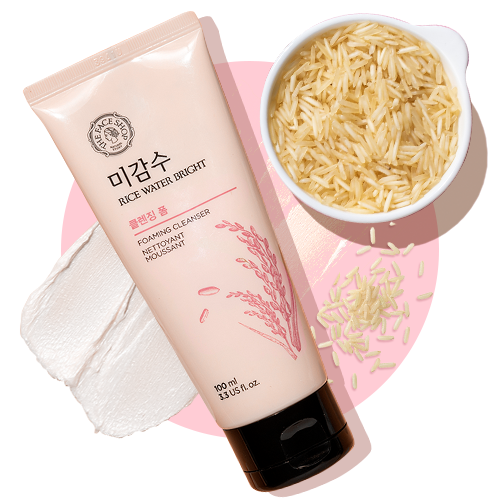
For example, The Face Shop Rice Water Bright Cleansing Foam is popular in India for its gentle yet effective cleansing, suitable for most skin types during the rainy season.
How Do You Choose the Right Cleanser for Your Skin Type?
Indian skin tones and types are diverse. Here’s a quick checklist to help you decide:
- Oily/Acne-Prone: Look for gel or foam cleansers with ingredients like salicylic acid or niacinamide.
- Dry/Sensitive: Opt for hydrating cleansers with ceramides or rice extracts.
- Combination: Use a gentle foaming cleanser in the evening, and a mild cream cleanser in the morning.
Always patch test new products, especially during monsoon when skin can be more reactive. If you’re unsure, consult a dermatologist for a personalized recommendation.
What Ingredients Should You Look For (or Avoid) in Monsoon Cleansers?
Dermatologists recommend focusing on these ingredients for monsoon:
- Niacinamide: Controls oil and soothes inflammation.
- Rice Extract: Brightens and gently exfoliates, ideal for dull skin.
- Ceramides: Strengthen the skin barrier, preventing dehydration.
- Salicylic Acid: Unclogs pores and prevents breakouts.
What to avoid: Harsh sulfates, high alcohol content, and strong fragrances, which can irritate Indian skin in humid weather.
For a gentle, brightening option, The Face Shop Rice Water Bright Cleansing Foam is formulated with rice water and is free from harsh sulfates, making it suitable for daily use during monsoon.
How Does Cleansing Fit Into a Monsoon Glass Skin Routine?
Here’s a dermatologist-approved step-by-step routine for Indian monsoon:
- Cleanse: Use a gentle foaming or hydrating cleanser twice daily.
- Tone: Choose alcohol-free toners to balance pH.
- Serum: Apply a lightweight serum with vitamin C or peptides. See our Vitamin C Serum collection for options.
- Moisturize: Even oily skin needs hydration. Look for gel-based moisturizers.
- Sunscreen: Don’t skip SPF, even on cloudy days.
Pro tip: If you wear makeup or heavy sunscreen, consider double cleansing in the evening for a truly glass-like finish.
Are K-Beauty Cleansers Effective for Indian Monsoon Skin?
K-beauty cleansers are popular in India for their gentle, innovative formulas. Many, like those from The Face Shop, are designed to cleanse without stripping, making them ideal for monsoon’s humidity. Dermatologists caution, however, that not all K-beauty products are suited for every Indian skin type - always check for non-comedogenic and pH-balanced claims.
- Look for cleansers with rice water, green tea, or centella asiatica.
- Check for INR value - many K-beauty cleansers are now available in India for under ₹800.
- Buy from authorized retailers to avoid counterfeit products.
What Are the Trade-Offs: Gel, Foam, or Cream Cleansers?
Each cleanser type has pros and cons, especially in the Indian monsoon:
- Gel Cleansers: Lightweight, non-greasy, ideal for oily skin but may feel drying for some.
- Foam Cleansers: Deep clean, good for pollution removal, but choose gentle formulas to avoid over-drying.
- Cream Cleansers: Hydrating, best for dry or mature skin, but may not remove heavy sunscreen as effectively.
Consider your skin’s daily needs and adjust as weather changes. For example, you might use a foam cleanser at night and a cream cleanser in the morning.
How Much Should You Spend on a Monsoon Cleanser in India?
Indian consumers are value-conscious, and you don’t need to overspend for results. Most dermatologist-recommended cleansers for monsoon glass skin are available between ₹400 and ₹1200. For example, The Face Shop Rice Water Bright Cleansing Foam offers premium K-beauty benefits at an accessible price point, making it a smart investment for the season.
- Look for multi-use products (e.g., cleansers that also brighten or hydrate).
- Check for bundle offers during monsoon sales for extra savings.
Final Checklist: Building Your Monsoon Glass Skin Cleansing Routine
- Assess your skin type and current concerns (oiliness, dullness, breakouts).
- Choose a gentle, pH-balanced cleanser with proven ingredients.
- Adjust your routine as the weather shifts - don’t be afraid to switch formulas if needed.
- Layer with lightweight serums and moisturizers for best results.
- Always patch test new products and consult a dermatologist if you have persistent issues.
For more on hydrating serums, explore our Peptide Serum collection to complement your monsoon routine.
FAQ
Should I double cleanse during the monsoon in India?
Double cleansing is helpful if you wear sunscreen or makeup, or if you commute in polluted cities like Mumbai or Delhi. Start with an oil-based cleanser followed by a gentle foaming cleanser for best results.
Can oily skin skip moisturizer in the monsoon?
No. Even oily skin needs hydration, especially in humid weather. Use a lightweight, gel-based moisturizer to prevent dehydration and excess oil production.
Are K-beauty cleansers suitable for Indian skin during monsoon?
Many K-beauty cleansers, such as those from The Face Shop, are formulated for gentle cleansing and suit Indian skin in humid conditions. Always check for non-comedogenic and pH-balanced claims.
What ingredients should I avoid in monsoon cleansers?
Avoid harsh sulfates, high alcohol content, and strong fragrances, as these can irritate skin and disrupt the barrier during humid weather.
How often should I change my cleanser with the seasons?
You don’t need to change cleansers every season, but monitor your skin’s response. If you notice more oiliness, breakouts, or dryness, consider adjusting your formula.