
Quick Summary
Discover expert answers on safely layering K-Beauty actives for sensitive Indian skin. Achieve glass skin without irritation using evidence-backed routines and India-specific tips.
Achieving the coveted 'glass skin' look is a top goal for many Indian skincare enthusiasts. But if you have sensitive skin, navigating the world of K-Beauty actives can feel overwhelming. We gathered expert insights and practical tips to help you layer actives safely, maximize results, and avoid irritation - tailored for Indian skin and climate.
Why Is Layering K-Beauty Actives Tricky for Sensitive Indian Skin?
Q: What makes layering K-Beauty actives a challenge for sensitive skin in India?
A: Indian skin often faces unique stressors: high humidity, pollution, and frequent sun exposure. Sensitive skin is more prone to redness, stinging, and post-inflammatory hyperpigmentation. Many K-Beauty actives (like acids or vitamin C) can be potent. Without careful layering, you risk irritation or barrier damage. The key is to introduce one active at a time, use gentle concentrations, and prioritize barrier-repairing ingredients. For example, using a ceramide-rich emulsion after actives can help buffer potential irritation.
What Is the Ideal Order for Layering K-Beauty Actives?
Q: How should I layer my products for best results?
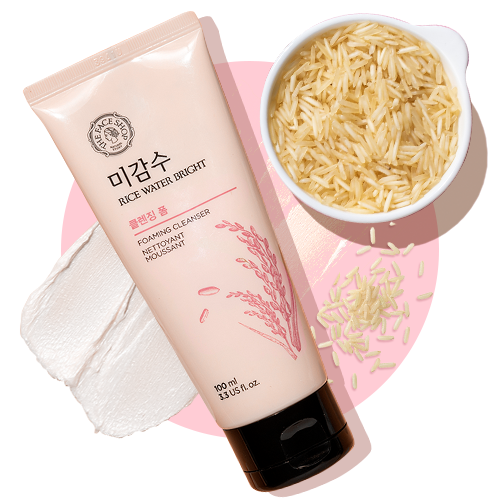
- Step 1: Cleanser – Start with a gentle, non-stripping cleanser. For sensitive skin, oil cleansers like Rice Water Bright Light Cleansing Oil remove sunscreen and pollution without harshness.
- Step 2: Hydrating Toner – Use a fragrance-free, alcohol-free toner to prep skin. Look for hyaluronic acid or rice extract.
- Step 3: Actives – Apply one active at a time. For beginners, alternate days for vitamin C, niacinamide, or gentle acids (like lactic or mandelic acid).
- Step 4: Barrier Support – Follow with a ceramide or rice-based emulsion, such as Ceramide & Rice Lightweight Emulsion for Barrier Repair.
- Step 5: Moisturizer & Sunscreen – Finish with a lightweight moisturizer and, in the morning, a broad-spectrum sunscreen.
Remember: Always patch test new actives and introduce only one every 2-3 weeks.
Which K-Beauty Actives Are Best for Sensitive Indian Skin?
Q: Which actives should I prioritize or avoid?
-
Best Choices:
- Niacinamide (2-5%) – Calms redness, strengthens the barrier, and fades dark spots. Lower concentrations are less likely to irritate.
- Vitamin C (Ethyl Ascorbic Acid, 5-10%) – Brightens skin and protects against pollution, but opt for stable, gentle forms.
- Lactic Acid or Mandelic Acid (5-10%) – Gentler than glycolic acid, suitable for melanin-rich Indian skin.
- Centella Asiatica – Soothes inflammation and supports healing.
-
Use with Caution:
- Glycolic acid, retinoids, and high-strength vitamin C can trigger irritation. Start slow and buffer with hydrating layers.
Counterintuitive fact: Indian skin, while often oilier, can be more reactive to strong actives due to higher melanin content, increasing risk of pigmentation after irritation.
How Can I Prevent Irritation When Using Multiple Actives?
Q: What are the safest ways to combine actives?
- Alternate Days: Use vitamin C in the morning and niacinamide or acids at night.
- Sandwich Method: Apply a thin layer of moisturizer before and after actives to buffer sensitive skin.
- Patch Test: Always test new actives behind the ear or on the jawline for 48 hours.
- Start Low, Go Slow: Begin with the lowest concentration and increase only if your skin tolerates it.
In a 2022 survey by Vogue India, over 60% of respondents with sensitive skin reported fewer reactions when introducing actives gradually and using barrier-supporting products.
What Are Signs of Irritation - and How Should I Troubleshoot?
Q: How do I know if my skin is irritated, and what should I do?
- Common Signs: Redness, burning, stinging, flaking, or new dark spots.
-
Immediate Steps:
- Stop all actives immediately.
- Switch to a bland, fragrance-free routine: gentle cleanser, ceramide emulsion, and sunscreen.
- Reintroduce actives only after skin has fully healed (usually 1-2 weeks).
Tip: If irritation persists, consult a dermatologist - especially if you have a history of eczema or allergies.
How Does the Indian Climate Affect My Glass Skin Routine?
Q: What adjustments should I make for India's weather?
- Humidity: Opt for lightweight, non-comedogenic layers. Heavy creams can clog pores in hot, humid cities like Mumbai or Chennai.
- Pollution: Double cleansing is essential. Try Rice Water Bright Light Cleansing Oil to remove particulate matter and sunscreen.
- Sun Exposure: Always use sunscreen, even indoors. UV rays can worsen pigmentation, especially after using actives.
Practical example: In Delhi summers, switching to a gel-based moisturizer and using sheet masks from the Masksheets collection can boost hydration without heaviness.
Are There Affordable K-Beauty Options for Sensitive Skin in India?
Q: Can I build an effective routine without overspending?
A: Absolutely. Many K-Beauty essentials are now available in India at accessible price points. For instance, a gentle cleansing oil or ceramide emulsion can be found for under INR 1,000. Sheet masks from the Masksheets collection often cost less than INR 150 each, making them a budget-friendly way to soothe and hydrate sensitive skin. Look for value bundles like the 2 at 799 offer to maximize savings.
What Is a Sample Glass Skin Routine for Sensitive Indian Skin?
Here’s a step-by-step routine tailored for sensitive Indian skin, using gentle K-Beauty actives:
-
Evening:
- Double cleanse with Rice Water Bright Light Cleansing Oil.
- Apply a hydrating toner (rice or hyaluronic acid based).
- Use niacinamide serum (2-5%) or lactic acid (on alternate nights).
- Layer Ceramide & Rice Lightweight Emulsion for Barrier Repair.
- Finish with a lightweight moisturizer.
-
Morning:
- Gentle cleanse.
- Vitamin C serum (5-10%).
- Barrier emulsion.
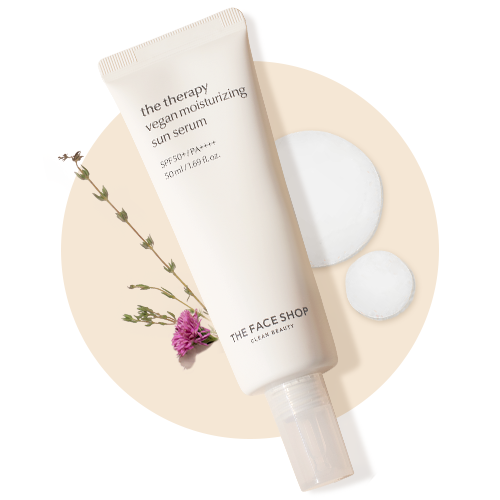
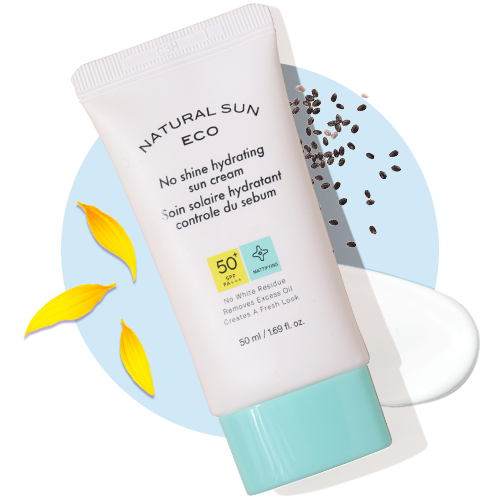
- Sunscreen (SPF 50+).
Mini-checklist for sensitive skin:
- Introduce one new product at a time.
- Patch test every active.
- Monitor for irritation weekly.
- Prioritize barrier repair if any stinging or redness occurs.
FAQs: Layering K-Beauty Actives for Sensitive Indian Skin
Can I use niacinamide and vitamin C together? Yes, recent studies show they can be layered safely, but sensitive skin may prefer using them at different times of day to minimize risk.
How often should I exfoliate with acids? For sensitive skin, 1-2 times per week with a gentle acid (like lactic or mandelic) is sufficient. Over-exfoliation can worsen sensitivity.
Are sheet masks safe for sensitive skin? Yes, especially those with soothing ingredients like rice, centella, or hyaluronic acid. Avoid masks with strong fragrances or alcohol.
What should I do if I get a rash after using an active? Stop all actives, switch to a bland routine, and consult a dermatologist if symptoms persist beyond a few days.
Is double cleansing necessary every day? In urban Indian environments, double cleansing at night is recommended to remove sunscreen and pollution, even for sensitive skin.
For more product inspiration, explore our Masksheets and Ceramide & Rice Lightweight Emulsion for Barrier Repair collections.
FAQ
Can I use niacinamide and vitamin C together?
Yes, recent studies show they can be layered safely, but sensitive skin may prefer using them at different times of day to minimize risk.
How often should I exfoliate with acids?
For sensitive skin, 1-2 times per week with a gentle acid (like lactic or mandelic) is sufficient. Over-exfoliation can worsen sensitivity.
Are sheet masks safe for sensitive skin?
Yes, especially those with soothing ingredients like rice, centella, or hyaluronic acid. Avoid masks with strong fragrances or alcohol.
What should I do if I get a rash after using an active?
Stop all actives, switch to a bland routine, and consult a dermatologist if symptoms persist beyond a few days.
Is double cleansing necessary every day?
In urban Indian environments, double cleansing at night is recommended to remove sunscreen and pollution, even for sensitive skin.