
Quick Summary
Struggling with stubborn dark spots and uneven skin tone in India's humid climate? Discover how K-Beauty routines and targeted ingredients can help Indian skin achieve even, radiant 'glass skin'.
Dark spots and uneven skin tone are persistent problems for many Indians, especially in humid climates. If your pigmentation refuses to budge despite your best efforts, you’re not alone. This guide reveals why traditional routines often fall short in India, and how K-Beauty’s science-backed approach can finally help you achieve that coveted 'glass skin' glow.
Why Indian Humidity Makes Dark Spots So Stubborn
Humidity in cities like Mumbai, Chennai, and Kolkata can wreak havoc on skin. High moisture levels increase sweat and oil production, which can clog pores and worsen post-inflammatory hyperpigmentation (PIH). According to a 2022 study in the Indian Journal of Dermatology, Indian skin’s higher melanin content makes it more prone to lingering dark spots after acne or sun exposure. The result? Spots that seem to last forever, especially during monsoon months.
- Excess oil mixes with pollution, leading to more breakouts and PIH.
- Traditional heavy creams can feel greasy and clog pores in humid weather.
- Sun exposure, even on cloudy days, triggers melanin production and deepens pigmentation.
Hook: If your dark spots seem to get darker every summer, humidity may be the hidden culprit.
Understanding Post-Inflammatory Hyperpigmentation (PIH) in Indian Skin
PIH occurs when skin produces extra melanin after inflammation - think acne, bug bites, or even harsh scrubbing. Indian skin, rich in melanin, is especially vulnerable. Unlike freckles or sun spots, PIH can take months to fade, and improper care can make it worse. Dermatologists in India often see PIH lingering for 6-12 months without targeted intervention.
- PIH is not a scar, but a pigment deposit.
- Picking or scrubbing can worsen PIH.
- Humidity slows down natural cell turnover, making spots last longer.
Counterintuitive fact: Overusing strong actives like retinoids or AHAs can irritate Indian skin and deepen pigmentation, especially in humid weather.
Why Conventional Solutions Often Fail in India
Many Indians reach for harsh scrubs, bleaching creams, or heavy oils to tackle dark spots. Unfortunately, these can backfire:
- Physical scrubs can cause microtears, leading to more PIH.
- Bleaching agents may lighten skin unevenly and cause sensitivity.
- Oily creams can clog pores in humid climates, triggering more breakouts.
Evidence from Indian dermatology clinics shows that gentle, consistent routines outperform aggressive treatments for fading pigmentation.
Mini-checklist:
- Avoid harsh scrubs and bleaching creams.
- Opt for lightweight, hydrating formulas.
- Prioritise sun protection daily.
K-Beauty’s Science-Backed Approach: Why It Works for Indian Skin
K-Beauty routines focus on gentle, layered care - ideal for Indian skin in humid weather. Instead of attacking spots with harsh actives, K-Beauty uses:
- Rice water and niacinamide to brighten and even tone.
- Polyhydroxy acids (PHAs) for mild exfoliation without irritation.
- Ceramides to strengthen the skin barrier and prevent future pigmentation.
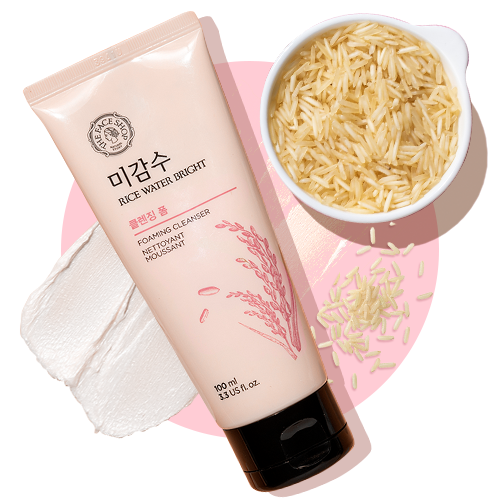
For example, Rice Water Bright Cleansing Foam offers gentle cleansing with rice extract, a traditional brightening ingredient in Asia, now clinically shown to reduce pigmentation over time.
Practical tip: Layering light serums and essences allows Indian skin to absorb actives without feeling greasy or heavy.
Building a Humidity-Proof K-Beauty Routine for Dark Spots
Here’s a step-by-step K-Beauty routine tailored for Indian humidity and pigmentation:
- Gentle Cleanser: Use a rice water-based cleanser morning and night to remove sweat, oil, and pollution without stripping skin. Try Rice Water Bright Cleansing Foam for INR 650–900, a cost-effective staple.
- Hydrating Toner: Look for formulas with niacinamide or licorice root to brighten and prep skin.
- Targeted Serum: Apply a dark spot serum with ingredients like vitamin C, arbutin, or tranexamic acid. These are proven to fade PIH in Indian skin types.
- Lightweight Moisturiser: Opt for gel or emulsion textures. Ceramide & Rice Moisturizing Cream hydrates without heaviness, ideal for humid climates.
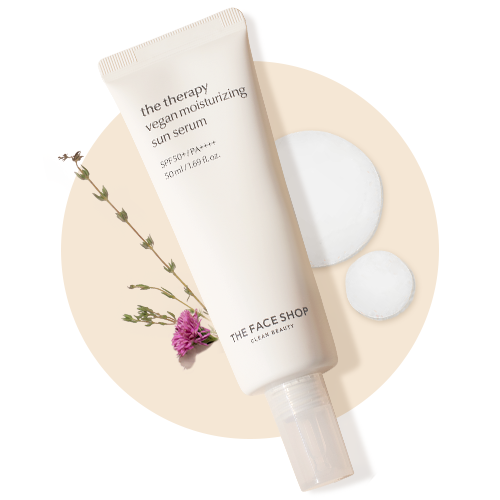
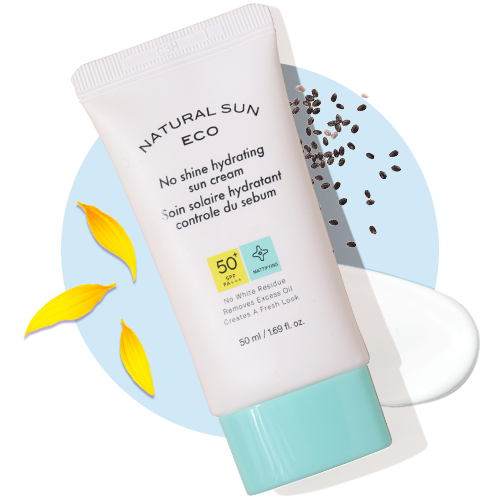
- Daily Sunscreen: Never skip sunscreen, even indoors. UV rays penetrate windows and worsen pigmentation.
Checklist for humid days:
- Double cleanse at night if you wear sunscreen or makeup.
- Reapply sunscreen every 2-3 hours when outdoors.
- Use blotting papers to manage excess oil, not harsh cleansers.
Key Ingredients That Actually Fade Dark Spots in Indian Skin
Not all brightening ingredients are created equal. For Indian skin, the following have the best evidence:
- Niacinamide: Reduces melanin transfer, evens tone, and is well-tolerated in humid weather.
- Vitamin C: Antioxidant that fades PIH and boosts glow. Look for stable, non-irritating forms.
- Rice Extract: Traditional Asian remedy, now proven to lighten spots and soothe inflammation.
- Arbutin and Licorice Root: Inhibit melanin production, safe for daily use.
- Ceramides: Repair barrier, reduce sensitivity, and prevent new pigmentation.
Counterintuitive fact: PHAs (polyhydroxy acids) exfoliate gently without increasing sun sensitivity, making them safer than AHAs for Indian summers.
Trade-Offs: K-Beauty vs. Traditional Indian Remedies
Many Indian households use turmeric, lemon, or sandalwood for dark spots. While these can offer mild benefits, they often lack the clinical backing of K-Beauty actives. Here’s how they compare:
- Traditional remedies: Affordable (often under INR 100), but may cause irritation or inconsistent results.
- K-Beauty actives: Backed by research, gentle on skin, and deliver visible results in 4–8 weeks. Slightly higher upfront cost (INR 600–1800 per product), but greater long-term value.
Limitations: K-Beauty routines require consistency and patience. Results are gradual, not overnight.
How to Maximise Results: Lifestyle and Routine Tweaks for Indian Climate
Even the best products need the right environment to work. For Indian skin, consider:
- Diet: Eat antioxidant-rich foods (berries, amla, green leafy vegetables) to support skin repair.
- Hydration: Drink at least 2 litres of water daily to help flush toxins and keep skin plump.
- Sleep: Aim for 7–8 hours to allow skin to regenerate.
- Stress: High stress increases cortisol, which can worsen pigmentation.
Practical tip: Keep a mini facial mist in your bag during humid days to refresh skin without overwashing.
What to Expect: Realistic Timelines and When to Seek Help
With a consistent K-Beauty routine, most Indian users notice:
- Brighter, more even skin tone in 4–6 weeks.
- Noticeable fading of dark spots in 8–12 weeks.
- Smoother, hydrated skin texture year-round.
If you see no improvement after 3 months, or if spots worsen, consult a dermatologist. Some pigmentation (like melasma) may need prescription treatments.
Trust cue: Always patch test new products and introduce one new active at a time to avoid irritation.
Shop the Routine: K-Beauty Solutions for Indian Skin
Ready to start your journey to glass skin? Explore these essentials:
- Rice Water Bright Cleansing Foam – gentle, effective cleansing for INR 650–900.
- Dark Spot Serums – target PIH with clinically proven actives.
- Ceramide & Rice Moisturizing Cream – barrier repair and hydration for all skin types.
For more targeted care, check out our dark spot serum collection for options tailored to Indian skin needs.
FAQs: Fading Dark Spots in Indian Humidity
- How long does it take to fade dark spots with K-Beauty products?
- Most users see visible improvement in 8–12 weeks with consistent use of targeted serums and daily sun protection.
- Can I use K-Beauty routines if I have oily or acne-prone skin?
- Yes, K-Beauty focuses on lightweight, non-comedogenic formulas that suit oily and acne-prone Indian skin, especially in humid weather.
- Are K-Beauty products safe for sensitive Indian skin?
- Most are formulated to be gentle, but always patch test and introduce one new product at a time.
- Do I need to use all steps of a K-Beauty routine?
- No. Start with cleansing, serum, moisturiser, and sunscreen. Add more steps only if your skin tolerates them.
- Is it necessary to use sunscreen indoors in India?
- Yes, UV rays penetrate windows and can worsen pigmentation, so daily sunscreen is essential even indoors.
FAQ
How long does it take to fade dark spots with K-Beauty products?
Most users see visible improvement in 8–12 weeks with consistent use of targeted serums and daily sun protection.
Can I use K-Beauty routines if I have oily or acne-prone skin?
Yes, K-Beauty focuses on lightweight, non-comedogenic formulas that suit oily and acne-prone Indian skin, especially in humid weather.
Are K-Beauty products safe for sensitive Indian skin?
Most are formulated to be gentle, but always patch test and introduce one new product at a time.
Do I need to use all steps of a K-Beauty routine?
No. Start with cleansing, serum, moisturiser, and sunscreen. Add more steps only if your skin tolerates them.
Is it necessary to use sunscreen indoors in India?
Yes, UV rays penetrate windows and can worsen pigmentation, so daily sunscreen is essential even indoors.