
Quick Summary
Struggling with stubborn dark spots on Indian skin, even after trying K-Beauty? Discover the real reasons and evidence-backed 'Glass Skin' strategies to finally fade pigmentation and reveal a luminous, even-toned complexion.
Have you invested in K-Beauty routines, hoping for clear, luminous skin, only to find those stubborn dark spots and pigmentation still clinging on? You are not alone. Many Indian skincare enthusiasts face this challenge, even with the best intentions and trending products. Let’s uncover the real reasons behind persistent pigmentation on Indian skin and reveal practical, evidence-based 'Glass Skin' strategies tailored for our unique needs.
Why Do Dark Spots Linger on Indian Skin? The Melanin Factor
Indian skin is rich in melanin, which offers natural sun protection but also makes us more prone to hyperpigmentation. Dark spots, acne scars, and uneven tone are common, especially after inflammation or sun exposure. According to dermatology research, post-inflammatory hyperpigmentation (PIH) is more intense and longer-lasting in medium to deep skin tones like ours. This means that even minor pimples or sunburns can leave marks that persist for months.
- Key fact: Indian skin can produce up to 50% more melanin after injury compared to lighter skin types.
- Practical tip: Prevention is as important as treatment - never skip sunscreen, even indoors.
Why K-Beauty Alone May Not Deliver Results for Indian Skin
K-Beauty routines are globally loved for their gentle, hydrating approach. However, most K-Beauty products are formulated for East Asian skin, which has different pigmentation patterns and environmental exposures. Indian skin faces higher UV levels, more pollution, and a humid climate, all of which can worsen pigmentation.
- Many K-Beauty products focus on hydration and barrier repair, but may lack the targeted actives (like higher-strength vitamin C or niacinamide) needed for stubborn Indian pigmentation.
- Layering too many products without addressing the root cause can sometimes clog pores or irritate sensitive Indian skin, leading to more spots.
Counterintuitive insight: Sometimes, less is more. A streamlined, targeted routine often works better than a 10-step regimen.
Understanding the 'Glass Skin' Approach: More Than Just Glow
'Glass Skin' is not just about shine - it's about a healthy, even-toned, poreless look. For Indian skin, this means focusing on:
- Deep hydration to support the skin barrier
- Gentle but effective exfoliation to fade pigmentation
- Targeted actives to address melanin overproduction
- Consistent sun protection
Studies show that combining hydration with actives like niacinamide and vitamin C can visibly reduce dark spots in Indian skin within 8-12 weeks.
Step 1: The Right Cleanser - Why Brightening Matters for Indian Skin
Cleansing is the foundation of any routine, but for Indian skin, a brightening cleanser can make a real difference. Ingredients like rice water and mild acids help remove dullness and prep the skin for actives.
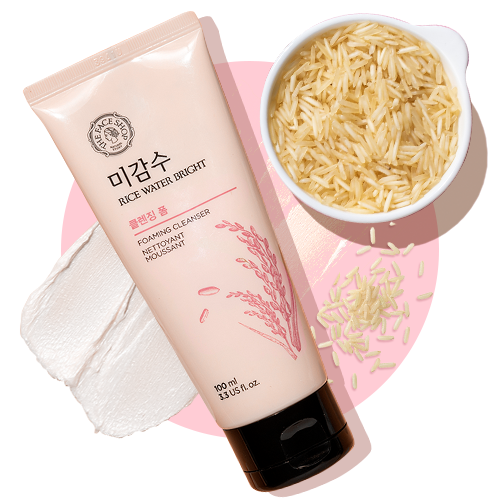
- Example: Rice Water Bright Cleansing Foam is enriched with rice extract, known for its brightening and soothing properties. It’s gentle enough for daily use and helps lift away pollution and excess oil - a must in Indian cities.
- Mini-checklist: Look for cleansers that are sulfate-free, pH-balanced, and contain brightening botanicals.
Step 2: Hydration and Barrier Repair - Why Your Skin Needs It Most
Indian weather swings from dry winters to humid monsoons, often disrupting our skin barrier. A compromised barrier can worsen pigmentation and slow healing. Hydrating toners and ceramide-rich creams are essential.
- Try: Ceramide & Rice Moisturizing Toner to replenish moisture and strengthen your skin’s defenses.
- Budget tip: Investing in barrier repair is often more cost-effective (INR 900–1200) than buying multiple spot correctors.
Step 3: Targeted Actives - What Actually Fades Indian Pigmentation?
Not all ingredients are created equal for Indian skin. Evidence-backed actives for fading dark spots include:
- Vitamin C: Brightens and inhibits melanin production. Look for stabilized forms to suit Indian humidity.
- Niacinamide: Reduces inflammation and prevents new spots. Works well even for sensitive skin.
- PHA/AHA: Gentle exfoliants that remove dead skin cells and speed up spot fading. PHAs are less irritating in hot, humid climates.
Pro tip: Introduce one active at a time and patch test, as Indian skin can be reactive, especially after sun exposure.
Step 4: Sun Protection - The Non-Negotiable Step for Indian Skin
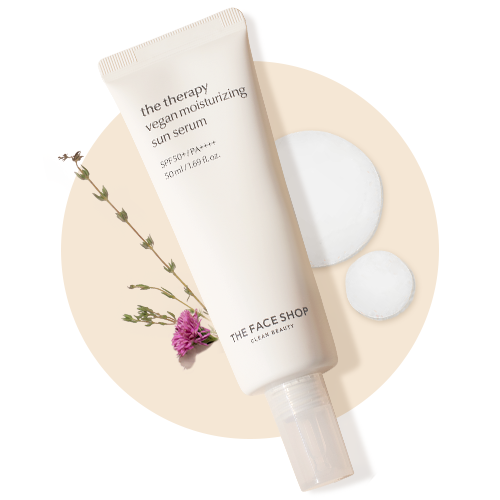
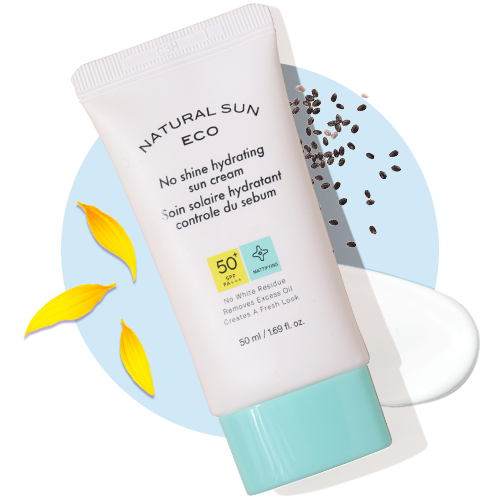
UV rays are the number one trigger for pigmentation in Indian skin. Even the best K-Beauty actives will not work if you skip sunscreen. Choose broad-spectrum SPF 50+ with iron oxides for added protection against visible light, which also causes melasma.
- India-specific fact: Studies show that visible light from screens and indoor lighting can worsen pigmentation in Indian skin tones.
- Checklist: Reapply sunscreen every 2-3 hours, especially if outdoors or near windows.
Step 5: Consistency, Patience, and Realistic Expectations
Fading dark spots on Indian skin is a marathon, not a sprint. Most evidence shows visible improvement in 8–12 weeks with consistent use of targeted products. Quick fixes or harsh treatments can backfire, causing more pigmentation.
- Track your progress with monthly photos in natural light.
- Adjust your routine seasonally - lighter hydration in summer, richer creams in winter.
- Consult a dermatologist if spots persist beyond 3–4 months or worsen.
Comparing Approaches: K-Beauty vs. India-Adapted Routines
While K-Beauty offers gentle, layered routines, Indian skin often benefits from a simplified, targeted approach:
| Routine | Pros | Cons |
|---|---|---|
| K-Beauty (classic) | Hydrating, barrier-friendly, enjoyable rituals | May lack strong actives for deep pigmentation; can be expensive (INR 3000+ for full routine) |
| India-adapted Glass Skin | Targets root causes, cost-effective (INR 1500–2500), easier to maintain | Requires research to find the right actives and SPF |
For best results, blend the strengths of both: use gentle K-Beauty cleansers and toners, but add targeted serums and always prioritize sun protection.
Real Results: What Indian Users Are Saying
Many Indian users report that switching to a simplified, actives-focused routine delivers better results for dark spots. For example, using Rice Water Bright Cleansing Foam followed by a ceramide-rich moisturizer and daily SPF led to visible fading of acne scars within 10 weeks for users in Mumbai and Bengaluru. The humid climate made lightweight, non-comedogenic products essential.
- Mini-case: Priya, 27, saw her post-acne marks lighten by 60% after switching to a routine with vitamin C serum, rice water cleanser, and SPF 50 sunscreen, spending under INR 2500/month.
Key Takeaways: Your Action Plan for Fading Dark Spots
- Understand your skin’s melanin response and adapt routines accordingly.
- Choose cleansers and toners designed for Indian skin needs - see our Hydrating Toner collection for options.
- Invest in proven actives like vitamin C and niacinamide, and never skip SPF.
- Track progress, adjust for seasons, and be patient - real change takes time.
FAQs: Fading Dark Spots on Indian Skin with K-Beauty
-
Why do my dark spots get darker after using actives?
Some actives, like vitamin C or exfoliating acids, can make skin more sensitive to sunlight. Without proper SPF, spots may darken. Always use sunscreen daily. -
Can I use K-Beauty routines if I have oily, acne-prone Indian skin?
Yes, but choose lightweight, non-comedogenic products. Look for hydrating toners and gentle cleansers like Rice Water Bright Cleansing Foam. -
How long does it take to see results from a 'Glass Skin' routine?
Most users notice visible improvement in 8–12 weeks with consistent use of targeted products and SPF. -
Are there affordable options for fading dark spots in India?
Yes, many effective cleansers and toners are available between INR 800–1500. Focus on essentials rather than a 10-step routine. -
Is it safe to use exfoliating acids in the Indian climate?
Gentle acids like PHA and low-strength AHA are safe when used at night and paired with sunscreen. Start slowly and monitor your skin’s response.
FAQ
Why do my dark spots get darker after using actives?
Some actives, like vitamin C or exfoliating acids, can make skin more sensitive to sunlight. Without proper SPF, spots may darken. Always use sunscreen daily.
Can I use K-Beauty routines if I have oily, acne-prone Indian skin?
Yes, but choose lightweight, non-comedogenic products. Look for hydrating toners and gentle cleansers like Rice Water Bright Cleansing Foam.
How long does it take to see results from a 'Glass Skin' routine?
Most users notice visible improvement in 8–12 weeks with consistent use of targeted products and SPF.
Are there affordable options for fading dark spots in India?
Yes, many effective cleansers and toners are available between INR 800–1500. Focus on essentials rather than a 10-step routine.
Is it safe to use exfoliating acids in the Indian climate?
Gentle acids like PHA and low-strength AHA are safe when used at night and paired with sunscreen. Start slowly and monitor your skin’s response.