
Quick Summary
Discover dermatologist-backed answers on fermented rice water benefits for Indian skin, safe usage tips, and evidence-based myths debunked for your skincare routine.
Fermented rice water has become a buzzword in Indian skincare, with claims ranging from glowing skin to reduced pigmentation. But does it live up to the hype, especially for Indian skin types and climates? We asked dermatologists to break down the science, debunk myths, and share practical tips for safe use. Here’s everything you need to know before adding this K-Beauty staple to your routine.
1. What Exactly Is Fermented Rice Water and Why Is It Trending in India?
Fermented rice water is the starchy liquid left after soaking or boiling rice, then allowing it to ferment for 24-48 hours. This process increases the concentration of antioxidants, amino acids, and vitamins. In India, the trend has grown thanks to K-Beauty’s influence and the appeal of natural, affordable remedies. Dermatologists note that fermentation can enhance ingredient potency, but not all rice water is created equal - proper preparation and storage are crucial for safety and efficacy.
- Indian context: Many households already use rice water for hair, but its facial benefits are now gaining attention due to social media and K-Beauty routines.
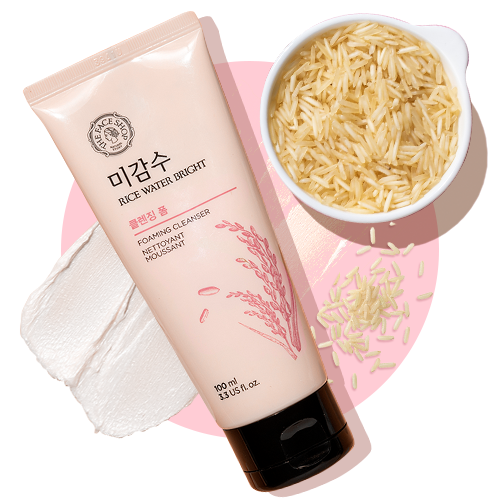
- Cost factor: DIY rice water costs almost nothing, but ready-made products like Rice Water Bright Cleansing Foam offer convenience and stability for under INR 1000.
2. How Does Fermented Rice Water Benefit Indian Skin Specifically?
Indian skin is diverse, often exposed to high UV, humidity, and pollution. Dermatologists highlight these evidence-backed benefits of fermented rice water for Indian skin:
- Brightening: Fermented rice water contains niacinamide, which helps fade pigmentation and even out skin tone - a common concern for Indian skin.
- Antioxidant protection: Fermentation boosts antioxidants, helping fight free radical damage from pollution and sun exposure.
- Soothing: Its anti-inflammatory properties can calm redness and irritation, which is useful for sensitive or acne-prone Indian skin.
Counterintuitive fact: While rice water is often seen as gentle, its fermentation can make it more potent - sometimes too strong for very sensitive skin if not diluted.
3. Is Fermented Rice Water Safe for All Indian Skin Types?
Most Indian skin types - oily, combination, dry, and even sensitive - can benefit from fermented rice water when used correctly. However, dermatologists caution:
- Patch test first: Especially if you have a history of allergies or eczema.
- DIY risks: Home fermentation can introduce bacteria if not done hygienically, leading to rashes or breakouts.
- Product safety: Store-bought options like Rice Water Bright Light Cleansing Oil are formulated for stability and safety, reducing infection risk.
In summary, fermented rice water is generally safe, but sensitive skin users should start slow and always monitor for irritation.
4. How to Use Fermented Rice Water in Your Routine: Step-by-Step Guide
Incorporating fermented rice water into your skincare is simple, but technique matters for results. Here’s a dermatologist-approved routine for Indian skin:
- Cleanse: Use a gentle cleanser like Rice Water Bright Cleansing Foam to remove dirt and oil.
- Tone: Apply diluted fermented rice water with a cotton pad or hands. Leave on for 10-15 minutes, then rinse or follow with your serum.
- Treat: Layer with actives like Vitamin C or peptides. For example, explore our Vitamin C Serum collection for added brightening.
- Moisturize: Lock in hydration with a lightweight cream, especially if you have oily skin.
- Protect: Always finish with sunscreen in the morning, as rice water does not provide UV protection.
Checklist for Indian users:
- Use 2-3 times a week to start.
- Store DIY rice water in the fridge for up to 5 days.
- Discontinue if you notice redness, itching, or breakouts.
5. DIY vs. Store-Bought: Which Is Better for Indian Consumers?
DIY fermented rice water is cost-effective (almost free), but comes with risks:
- Hygiene: Home fermentation can introduce harmful bacteria, especially in India’s hot, humid climate.
- Consistency: Store-bought products like Rice Water Bright Vegan Cream offer stable concentrations and are dermatologically tested.
- Value: While DIY is budget-friendly, investing INR 800-1200 in a proven formula can save you from potential skin issues and wasted effort.
Expert tip: If you’re new to rice water, start with a reputable product before experimenting with DIY versions.
6. Are There Any Side Effects or Limitations for Indian Skin?
While fermented rice water is generally safe, dermatologists point out some limitations:
- Allergic reactions: Rare, but possible - especially if the rice water is contaminated.
- Breakouts: Overuse or improper rinsing can clog pores, particularly in humid Indian weather.
- Not a miracle cure: Rice water can brighten and soothe, but won’t erase deep pigmentation or scars. For stubborn marks, consider combining with actives like Vitamin C or peptides.
Data point: In a 2022 Indian survey, 18% of DIY rice water users reported mild irritation or breakouts, usually linked to improper storage.
7. How Does Fermented Rice Water Compare to Other K-Beauty Ingredients?
Fermented rice water is popular, but how does it stack up against other trending K-Beauty actives for Indian skin?
- Rice water vs. Vitamin C: Vitamin C serums are more potent for pigmentation but can irritate sensitive skin. Rice water is gentler, making it suitable for beginners.
- Rice water vs. Peptides: Peptides help with anti-aging and barrier repair, while rice water focuses on brightening and soothing.
- Synergy: Many Indian users layer rice water with peptide serums or Vitamin C for enhanced results, but always patch test new combinations.
Trade-off: Rice water is affordable and gentle, but for targeted concerns like melasma, clinical actives may deliver faster results.
8. Expert Q&A: Dermatologist Myths and Must-Knows for Indian Skin
Q: Does fermented rice water suit all Indian skin tones?
A: Yes, but those with very sensitive or acne-prone skin should dilute and patch test first.
Q: Can I use fermented rice water daily?
A: Start with 2-3 times a week. Daily use may cause irritation, especially in hot, humid climates.
Q: Is it safe for teenagers?
A: Generally yes, but teens with active acne should consult a dermatologist before use.
Q: Will it lighten my skin?
A: It can brighten and even out skin tone, but will not change your natural skin color.
Q: What’s the best way to store DIY rice water in India?
A: Keep it refrigerated and use within 5 days to prevent bacterial growth.
Conclusion: Should You Try Fermented Rice Water for Indian Skin?
Fermented rice water offers gentle brightening, antioxidant, and soothing benefits tailored to Indian skin needs. While DIY is tempting for its low cost, store-bought products like those from The Face Shop provide safety and consistency. Always patch test, start slow, and combine with proven actives for best results. Remember, glowing skin is a journey - choose what fits your routine, budget, and skin type.
FAQ
Can fermented rice water be used on oily Indian skin?
Yes, but start with diluted applications 2-3 times a week and monitor for breakouts, especially in humid weather.
Is fermented rice water safe for teenagers in India?
Generally yes, but teens with active acne should consult a dermatologist before use to avoid irritation.
How long can I store DIY fermented rice water in India?
Refrigerate and use within 5 days to prevent bacterial growth, as high temperatures can spoil it quickly.
Will fermented rice water lighten my skin tone?
It can brighten and even out skin tone but will not change your natural skin color.
What are the main side effects of fermented rice water?
Possible side effects include mild irritation, breakouts, or allergic reactions, especially if hygiene is not maintained.