
Quick Summary
Confused about foaming vs. oil cleansers for monsoon breakouts? Discover which K-beauty method suits Indian skin, prevents acne, and helps you achieve glass skin this rainy season.
Monsoon in India brings much-needed relief from the heat, but it also triggers a surge in humidity, sweat, and pollution. For many, this means clogged pores, stubborn breakouts, and a constant battle to maintain clear, radiant skin. If you’ve been eyeing K-beauty routines, you’ve likely come across the debate: foaming cleanser vs oil cleanser for monsoon. Which one truly works for Indian skin, and how do you choose?
Why Monsoon Breakouts Are Different in India
Indian monsoons are unique: high humidity, frequent rain, and fluctuating temperatures. This environment creates a breeding ground for bacteria and increases sebum production, especially for those with oily or combination skin. According to a 2018 study, excess humidity can disrupt the skin barrier, making it more prone to acne and irritation. Add in pollution and sweat, and your regular cleanser might not cut it.
- Fact: Dermatologists in Mumbai and Kolkata report a 30% spike in acne consultations during monsoon months.
- Tip: Cleansing routines that work in winter may not suit the rainy season.
Understanding K-Beauty Double Cleansing for Monsoon
K-beauty’s double cleansing method is gaining popularity in India, especially among those seeking the coveted ‘glass skin’ look. The routine involves two steps:
- Oil-based cleanser: Removes sunscreen, makeup, and excess sebum.
- Water-based (foaming) cleanser: Washes away sweat, dirt, and leftover impurities.
This approach is particularly effective during monsoon, when sweat and pollution cling to the skin. Many Indian users find that double cleansing reduces breakouts and leaves skin feeling fresher, not stripped.
- Counterintuitive: Even oily skin can benefit from oil cleansing, as it dissolves sebum without over-drying.
Foaming Cleansers: Benefits and Best Practices for Indian Skin
Foaming cleansers are a staple in K-beauty and Indian routines alike. They create a gentle lather that lifts away dirt and sweat, which is crucial during humid months. But not all foaming cleansers are created equal.
- Look for sulfate-free formulas to avoid over-drying.
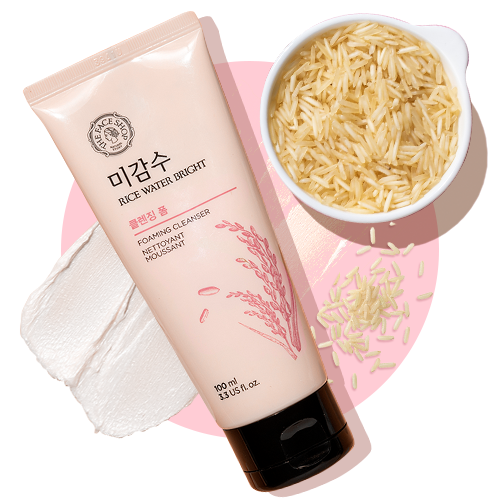
- Ingredients like rice water extract (found in The Face Shop Rice Water Bright Cleansing Foam) help brighten and soothe Indian skin tones.
- pH-balanced cleansers maintain the skin’s barrier, reducing irritation risk.
Practical tip: In India, foaming cleansers range from INR 400 to INR 1200. Investing in a quality formula can prevent the need for expensive acne treatments later.
Oil Cleansers: Myths, Realities, and Indian Skin Types
Oil cleansers sound counterintuitive, especially for oily or acne-prone skin. However, K-beauty research and Indian dermatologists agree: oil attracts oil, so these cleansers effectively dissolve sebum, sunscreen, and pollution particles.
- Choose non-comedogenic oils like rice bran or sunflower for Indian climates.
- Massage gently for 30-60 seconds, then rinse thoroughly to avoid residue.
- Many Indian users report fewer blackheads and less congestion after switching to oil cleansers during monsoon.
Limitation: If you have fungal acne or very sensitive skin, patch test first. Some oils may aggravate certain conditions.
Which Cleanser Is Best for Monsoon Breakouts?
The answer depends on your skin type, routine, and environment. Here’s a quick comparison for Indian users:
| Criteria | Foaming Cleanser | Oil Cleanser |
|---|---|---|
| Removes sweat & dirt | Excellent | Good |
| Removes sunscreen/makeup | Moderate | Excellent |
| Controls oiliness | Good | Good (if rinsed well) |
| Prevents clogged pores | Good | Excellent (non-comedogenic) |
| Best for | Oily, combo, normal | Dry, sensitive, makeup users |
| INR value range | 400–1200 | 600–1800 |
Pro tip: For most Indian skin types, combining both (double cleansing) at night gives the best results during monsoon.
How to Build a Monsoon-Proof Cleansing Routine
Here’s a simple, effective routine for Indian weather:
- Morning: Gentle foaming cleanser (like The Face Shop Rice Water Bright Cleansing Foam), followed by lightweight moisturizer and sunscreen.
- Evening: Oil cleanser to remove sunscreen and pollution, then foaming cleanser to finish. Follow with a serum (see Vitamin C Serum for brightening) and moisturizer.
Checklist for Indian users:
- Always patch test new cleansers.
- Adjust frequency if skin feels tight or dry.
- Look for INR value packs or combos for savings.
Real Results: What Indian Users Say
Many Indian consumers share their experiences on forums and social media:
- “Double cleansing helped clear my monsoon acne in two weeks.”
- “Oil cleansers felt heavy at first, but my skin is less oily now.”
- “Switching to a rice water foaming cleanser made my skin brighter and softer.”
While individual results vary, the consensus is that adapting your cleansing routine to the season pays off. Look for products with proven ingredients and transparent labeling.
Glass Skin Goals: Can Cleansers Alone Deliver?
K-beauty’s ‘glass skin’ is about clarity, smoothness, and a healthy glow. Cleansers are just the first step. For Indian skin, especially during monsoon, layering hydrating serums and lightweight moisturizers is crucial.
- After cleansing, use a Vitamin C Serum to target pigmentation and boost radiance.
- Seal in moisture with a non-greasy lotion, especially if you have dry patches.
Limitation: Cleansers alone won’t fix deep pigmentation or severe acne. Consistency and a full routine matter.
Making the Right Choice: INR Value and Accessibility
With so many options, how do you choose the best cleanser for monsoon breakouts in India?
- Budget: Quality foaming cleansers start at INR 400, while oil cleansers may cost INR 600–1800. Consider value packs for savings.
- Availability: Trusted K-beauty brands like The Face Shop are widely available online and in stores across India.
- Suitability: Match your cleanser to your skin type and routine. Don’t hesitate to consult a dermatologist for persistent breakouts.
Remember, investing in the right cleanser can save you money on treatments and help you achieve your skin goals faster.
FAQ
Is double cleansing necessary during the Indian monsoon?
Double cleansing is highly recommended during the monsoon in India, especially if you use sunscreen or makeup daily. The first oil-based step removes stubborn impurities, while the foaming cleanser ensures sweat, dirt, and pollution are fully washed away. This helps prevent clogged pores and breakouts common in humid weather.
Can oil cleansers cause more breakouts for oily skin?
When chosen carefully, oil cleansers do not cause more breakouts—even for oily skin. In fact, non-comedogenic oils can help dissolve excess sebum and reduce congestion. Always patch test and rinse thoroughly to avoid residue, and avoid oils that are known to clog pores.
What is the best foaming cleanser for monsoon-prone skin in India?
Look for sulfate-free, pH-balanced foaming cleansers with brightening ingredients like rice water extract. The Face Shop Rice Water Bright Cleansing Foam is a popular choice, offering gentle cleansing and radiance for Indian skin tones.
How much should I spend on a good cleanser for monsoon?
Quality foaming cleansers in India typically range from INR 400 to INR 1200, while oil cleansers may cost INR 600–1800. Investing in a reputable brand with proven ingredients can save you money on acne treatments and help maintain healthy skin during the rainy season.
Can cleansers alone give me glass skin during monsoon?
Cleansers are the foundation for glass skin, but they work best as part of a full routine. For visible results, pair your cleanser with hydrating serums and lightweight moisturizers. Consistency and layering are key, especially in the humid Indian monsoon.