
Quick Summary
Confused between gel and foam cleansers for oily skin this monsoon? Discover which K-Beauty formula truly works in India's humid climate, with expert-backed comparisons, ingredient insights, and practical buying tips.
Choosing the right cleanser can make or break your skincare routine, especially during India's sticky monsoon season. If you have oily skin, the battle between gel and foam cleansers is real. This guide breaks down both K-Beauty formulas, their science, and which one truly delivers that coveted 'glass skin' glow - even in high humidity.
1. Why Monsoon Skin Needs Special Care: The Indian Context
Monsoon humidity in India can send oil glands into overdrive, leaving skin greasy, prone to clogged pores, and vulnerable to breakouts. According to a 2022 survey by Nykaa, over 60% of Indian consumers reported increased oiliness and acne during the rainy season. The right cleanser is your first line of defense - but not all formulas are created equal for our climate.
- Humidity triggers excess sebum, making lightweight, non-comedogenic cleansers essential.
- Pollution and sweat can mix with oil, clogging pores faster.
- Traditional heavy cleansers may strip skin, causing rebound oiliness.
Understanding these unique challenges is key to making a smart cleanser choice.
2. Gel Cleansers: Lightweight Powerhouses for Oily Skin
Gel cleansers are water-based, clear, and often packed with hydrating ingredients like hyaluronic acid, green tea extract, or panthenol. Their texture feels refreshing - perfect for hot, sticky Indian weather.
- Best for: Oily, combination, and acne-prone skin types.
- How they work: Gently lift away oil and impurities without stripping natural moisture.
- Key ingredients: Look for niacinamide, salicylic acid, and soothing botanicals.
India-specific tip: Gel cleansers are less likely to leave residue, making them ideal for those who sweat or commute in urban pollution.
3. Foam Cleansers: Deep Cleaning or Too Harsh for Monsoon?
Foam cleansers create a rich lather that feels satisfying and thorough. Popular in K-Beauty, they often contain surfactants that break down oil and dirt.
- Best for: Normal to oily skin, but can be drying if overused.
- How they work: Foaming agents penetrate pores for a squeaky-clean feel.
- Key ingredients: Rice water, volcanic ash, and gentle surfactants.
Counterintuitive fact: Many foam cleansers have a higher pH, which can disrupt the skin barrier - especially in humid climates where skin is already stressed.
4. Ingredient Spotlight: What Matters Most for Oily Monsoon Skin
Not all cleansers are created equal. For Indian monsoon skin, look for:
- Salicylic Acid: Unclogs pores and controls breakouts.
- Niacinamide: Balances oil production and soothes redness.
- Green Tea Extract: Fights pollution-induced damage.
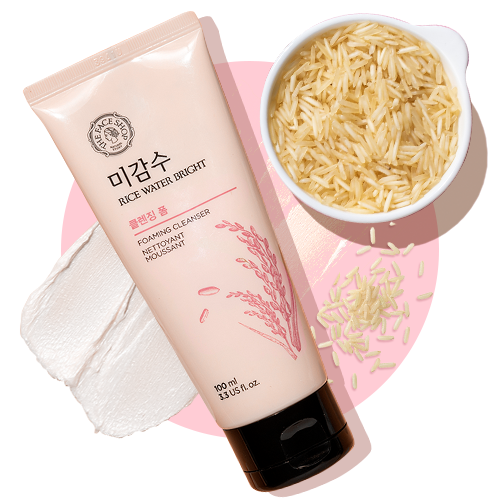
- Rice Water: Brightens and gently exfoliates (featured in the Rice Water Bright Cleansing Foam).
Evidence shows that these ingredients help manage oiliness without over-drying, a common issue in Indian humidity. Always check the label for these actives.
5. The Face Shop’s K-Beauty Cleansers: What Sets Them Apart?
When shopping for K-Beauty cleansers in India, The Face Shop offers formulas tailored for our climate. Their gel and foam cleansers are:
- pH-balanced to protect the skin barrier.
- Infused with botanicals that suit Indian skin tones and sensitivities.
- Value for money: Most cleansers are priced between INR 500–900, making them accessible for daily use.
For example, the Rice Water Bright Cleansing Foam is a bestseller for its gentle yet effective cleansing, while the Vitamin C Brightening Foaming Face Wash offers antioxidant benefits for dull, oily skin.
6. Real-World Results: What Indian Users Say
Mini-reviews from Indian users highlight practical differences:
- Gel cleansers: "My skin feels fresh, not tight, even after a long commute in Mumbai humidity."
- Foam cleansers: "Great for removing sunscreen and pollution, but I need to moisturize right after."
- Many users report fewer breakouts and less midday shine with gel cleansers during monsoon months.
However, those with very oily skin or heavy makeup may prefer foam cleansers for a deeper clean - just follow with a lightweight moisturizer.
7. Price, Value, and Accessibility: INR-Focused Buying Guide
Budget matters. Here’s how gel and foam cleansers stack up in India:
- Gel cleansers: Typically INR 600–900 for 100–150 ml. Lasts 2–3 months with daily use.
- Foam cleansers: INR 500–800 for similar sizes. A little goes a long way due to the lather.
- Look for combo deals, such as the 2 at 799 collection, for extra savings.
Both types are widely available online and in stores, but always buy from authorized retailers to avoid counterfeits.
8. How to Choose: Decision Checklist for Oily Monsoon Skin
Still unsure? Use this quick checklist:
- For daily cleansing in high humidity: Opt for a gel cleanser with soothing actives.
- For deep cleaning after outdoor exposure: Use a foam cleanser 2–3 times a week.
- Sensitive or acne-prone? Stick to low-pH, fragrance-free gel cleansers.
- Want to try both? Alternate based on your skin’s needs and weather fluctuations.
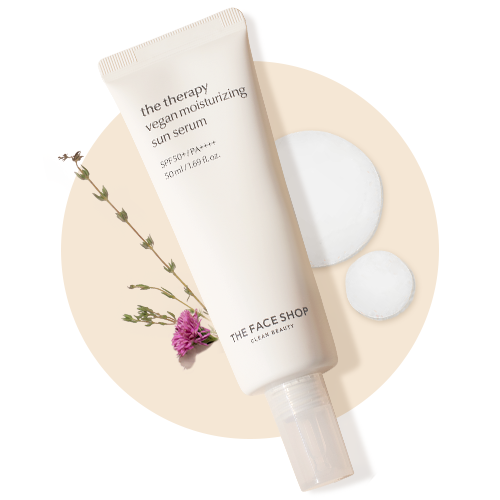
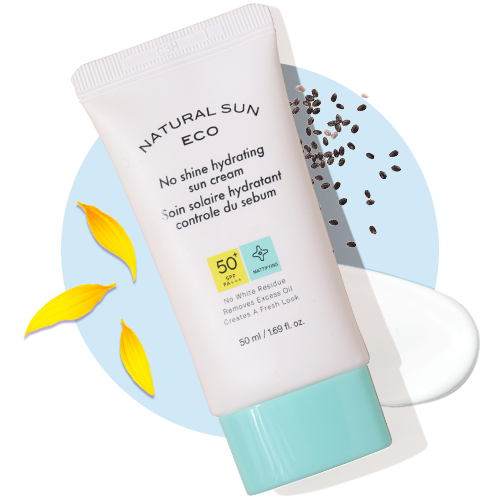
Pair your cleanser with a non-comedogenic sunscreen like the NaturalSun Eco No Shine Hydrating Sun Cream for best results.
9. The Bottom Line: Which Cleanser Wins for Indian Monsoon Skin?
For most Indian consumers with oily skin, gel cleansers offer a safer, more balanced approach during the monsoon. They cleanse effectively without stripping, help prevent breakouts, and feel refreshing in humidity. Foam cleansers are best reserved for occasional deep cleaning or for those with very oily, resilient skin.
Ultimately, your ideal cleanser depends on your skin’s unique needs, lifestyle, and budget. Start with a gel cleanser and adjust as you observe your skin’s response through the monsoon season.
FAQ
Which is better for oily skin in Indian monsoon: gel or foam cleanser?
For most people with oily skin in India, gel cleansers are better during the monsoon. They cleanse without stripping moisture, help control oil, and are less likely to disrupt the skin barrier in humid conditions.
Can I use both gel and foam cleansers in my routine?
Yes, you can alternate between gel and foam cleansers. Use a gel cleanser daily for gentle cleansing, and a foam cleanser 2–3 times a week for deeper cleaning, especially after heavy outdoor exposure or makeup.
Are foam cleansers too drying for Indian skin?
Some foam cleansers can be drying, especially those with high pH or harsh surfactants. Look for pH-balanced formulas and always moisturize after cleansing, particularly in humid climates.
What ingredients should I look for in a monsoon cleanser?
Key ingredients for oily, monsoon-affected skin include salicylic acid, niacinamide, green tea extract, and rice water. These help control oil, unclog pores, and protect against pollution.
How do I know if a cleanser is authentic in India?
Buy from authorized retailers or official brand stores like The Face Shop. Check for proper packaging, batch numbers, and avoid deals that seem too good to be true.