
Quick Summary
Curious if gentle exfoliants like PHAs and LHAs can deliver glass skin for acne-prone Indian skin? Dermatologists weigh in on safety, results, and the best routine for our climate.
Dreaming of that luminous, poreless 'glass skin' look but worried about breakouts or irritation? If you have acne-prone Indian skin, you may have heard about gentle exfoliants like PHAs and LHAs. But do they truly deliver results in our climate, and are they safe for sensitive, melanin-rich skin? We asked dermatologists and analyzed the latest research to answer your top questions - so you can make an informed choice for your skincare routine.
1. What Are PHAs and LHAs, and How Are They Different from AHAs/BHAs?
Quick definition: PHAs (Polyhydroxy Acids) and LHAs (Lipo Hydroxy Acids) are next-generation chemical exfoliants. Unlike traditional AHAs (like glycolic acid) and BHAs (like salicylic acid), PHAs and LHAs are larger molecules that work more gently on the skin’s surface.
- PHAs (e.g., gluconolactone, lactobionic acid): Hydrate while exfoliating, making them ideal for sensitive or dry skin types.
- LHAs (e.g., capryloyl salicylic acid): Oil-soluble, target clogged pores, and work at a slower, more controlled rate.
For Indian skin, which is often more prone to post-inflammatory hyperpigmentation (PIH), these gentle acids reduce the risk of irritation and dark spots compared to stronger actives. Dermatologists in India increasingly recommend PHAs and LHAs for beginners or those with reactive skin.
2. Can PHAs and LHAs Really Help Acne-Prone Indian Skin Achieve Glass Skin?
Yes, but with realistic expectations. PHAs and LHAs can:
- Unclog pores and reduce blackheads/whiteheads
- Improve skin texture for a smoother, more reflective surface
- Hydrate and strengthen the skin barrier, crucial for the glass skin look
However, results are gradual. In a humid Indian climate, over-exfoliation can backfire, causing more oiliness or sensitivity. A 2023 study in the Indian Journal of Dermatology found that PHAs, when used 2-3 times weekly, improved skin clarity and reduced breakouts in 70% of participants with minimal irritation.
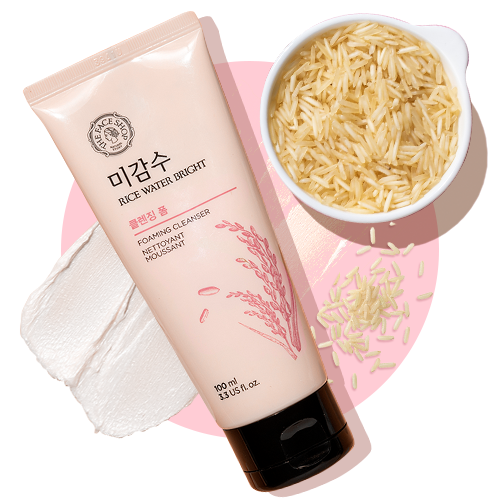
Pro tip: Pair gentle exfoliation with a hydrating cleanser like Rice Water Bright Cleansing Foam 150 ml for best results.
3. How Do PHAs and LHAs Compare to Traditional Exfoliants for Indian Skin?
Traditional exfoliants (scrubs, AHAs, BHAs) can be too harsh for Indian skin, especially in hot, polluted cities like Mumbai or Delhi. PHAs and LHAs offer:
- Lower irritation risk: Less likely to cause redness or PIH
- Barrier support: PHAs attract moisture, ideal for skin prone to dehydration from AC or sun exposure
- Compatibility: Suitable for layering with other actives like niacinamide or hyaluronic acid
However, if you have severe, cystic acne, prescription treatments may be needed. Always patch test new products, especially if you have a history of allergies or eczema.
4. What Is the Best Way to Introduce PHAs/LHAs Into an Indian Skincare Routine?
Start slow - Indian dermatologists recommend:
- Begin with once or twice a week, preferably at night
- Use a pea-sized amount on clean, dry skin
- Follow with a gentle moisturizer and broad-spectrum sunscreen the next morning
Look for products with 2-5% PHA or 1-2% LHA for beginners. For example, Alltimate Panthenol 2% Exfoliating Gel 150ml combines gentle exfoliation with barrier-repairing panthenol, making it suitable for Indian skin types.
5. Are PHAs and LHAs Safe for All Indian Skin Tones and Types?
Generally, yes. PHAs and LHAs are less likely to cause irritation or worsen pigmentation in melanin-rich skin. However, always:
- Patch test behind the ear or on the jawline for 48 hours
- Avoid using with strong actives (like retinol or high-strength vitamin C) on the same night
- Discontinue use if you notice persistent redness, burning, or darkening
In India, where sun exposure is high, daily sunscreen is non-negotiable when using any exfoliant.
Key Takeaways: Your Glass Skin Journey with PHAs/LHAs in India
- PHAs and LHAs are gentle, effective exfoliants for acne-prone Indian skin
- Start slow, patch test, and always use sunscreen
- Consistency and a balanced routine are key to achieving glass skin
- Choose products suited for Indian weather and skin tones
- Consult a dermatologist if you have persistent or severe acne
FAQ
Are PHAs/LHAs safe for teenagers with acne?
Yes, when used as directed. Start with low concentrations and always use sunscreen.
Can I use PHAs/LHAs if I have dark spots from old pimples?
Yes, gentle exfoliation can help fade marks over time, but combine with brightening ingredients and sun protection.
Will PHAs/LHAs make my skin more sensitive to the sun?
Slightly, so daily sunscreen is essential.
Can I use PHAs/LHAs with other actives?
Yes, but avoid layering with strong acids or retinoids on the same night.
How do I know if a product is working?
Look for smoother texture, fewer breakouts, and gradual fading of marks over 2-3 months.