
Quick Summary
Discover why dermatologists recommend gentle K-Beauty exfoliation methods over harsh scrubs for Indian skin. Learn the science, benefits, and best practices for safe, glowing results.
Exfoliation is a vital step in any skincare routine, but the method you choose can make or break your skin health - especially in India’s unique climate. With the rise of K-Beauty, many Indians are questioning if gentle exfoliation is truly superior to the traditional harsh scrubs found in most homes. We asked dermatologists and reviewed the latest research to help you decide what’s best for your skin type, tone, and lifestyle.
1. Why Exfoliation Matters More for Indian Skin
Indian skin, rich in melanin, is more prone to pigmentation, tanning, and post-inflammatory hyperpigmentation (PIH). Regular exfoliation helps remove dead skin cells, unclog pores, and brighten dull complexions. However, aggressive scrubbing can worsen pigmentation and sensitivity, especially in humid, polluted environments like Mumbai or Delhi.
- Fact: Studies show that over-exfoliation can trigger melanin production, leading to stubborn dark spots (NCBI).
- Tip: Choose exfoliation methods that respect your skin barrier and suit the Indian climate.
2. Harsh Scrubs: Why They Fall Short for Indian Skin
Traditional scrubs often use walnut shell, apricot kernels, or microbeads. While these give an instant smooth feel, dermatologists warn that they can cause microtears, irritation, and worsen pigmentation for Indian skin tones.
- Physical scrubs can disrupt the skin barrier, making it vulnerable to pollution and UV damage.
- Repeated use may lead to redness, sensitivity, and even acne flare-ups.
- In India’s hot, humid weather, harsh scrubs can strip natural oils, causing rebound oiliness or dryness.
Limitation: Physical scrubs may feel satisfying but offer little long-term benefit for most Indian skin types.
3. K-Beauty’s Gentle Exfoliation: The Science Behind the Glow
K-Beauty routines favor gentle exfoliation methods like gommage peels, enzyme powders, and low-concentration acids. These dissolve dead skin cells without abrasive friction, reducing the risk of microtears and pigmentation.
- Gommage peels use cellulose and fruit enzymes to roll away dead skin, ideal for sensitive Indian skin.
- Chemical exfoliants like lactic acid and PHA are less irritating than traditional scrubs, even for deeper skin tones.
- Gentle exfoliation supports the skin barrier, crucial for Indian climates with high UV and pollution exposure.
Evidence: Dermatologists in India increasingly recommend these methods for their safety and efficacy (Healthline).
4. Dermatologist Insights: What Works Best in India?
Dr. Priya Sharma, a Mumbai-based dermatologist, explains: “Indian skin is highly reactive to trauma. Gentle exfoliation, such as enzyme-based peels or low-strength acids, minimizes the risk of PIH and supports long-term skin health.”
- Most dermatologists recommend exfoliating 1-2 times a week for Indian skin, not daily.
- Look for products with soothing ingredients like panthenol, rice extract, or ceramides.
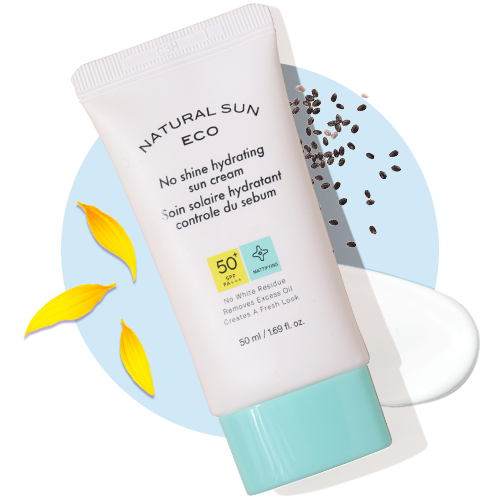
- Always follow exfoliation with a broad-spectrum sunscreen, as Indian sun exposure can worsen pigmentation.
For a dermatologist-approved gentle exfoliator, consider the Alltimate Panthenol 2% Exfoliating Gel from The Face Shop, formulated for all skin types and Indian climates.
5. Gommage Peel vs Scrub: Which Is Safer for Indian Skin?
Gommage peels work by gently rolling away dead skin with minimal irritation. In contrast, scrubs rely on friction, which can cause micro-injuries - especially on melanin-rich Indian skin.
| Method | Pros | Cons |
|---|---|---|
| Gommage Peel | Gentle, suitable for sensitive skin, reduces PIH risk | May require more frequent use for visible results |
| Harsh Scrub | Immediate smoothness | Risk of microtears, worsens pigmentation, not ideal for Indian skin |
Expert Tip: If you have acne-prone or pigmented skin, always choose gommage or enzyme exfoliators over scrubs.
6. Ingredient Spotlight: What to Look for in Gentle Exfoliators
Not all gentle exfoliators are created equal. For Indian skin, dermatologists recommend:
- Panthenol: Soothes and repairs the skin barrier.
- Rice Extract: Brightens and hydrates, a K-Beauty staple perfect for Indian skin tones.
- Lactic Acid or PHA: Mild acids that exfoliate without irritation.
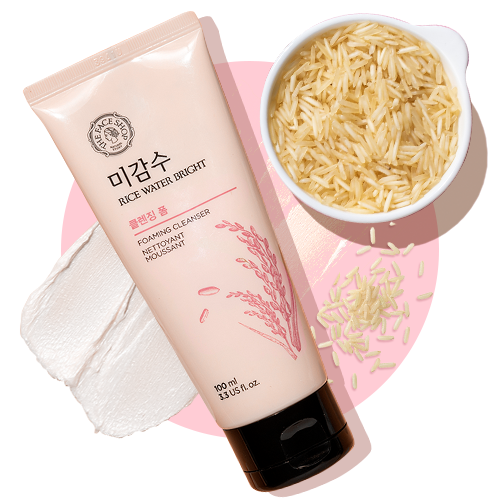
Products like Rice Water Bright Cleansing Foam combine gentle cleansing with brightening benefits, making them ideal for daily use in India’s climate.
7. Cost Comparison: Are Gentle Exfoliators Worth the INR?
While gentle exfoliators may seem pricier than traditional scrubs (often INR 800–1500 vs. INR 200–400), they deliver better long-term value:
- Lower risk of irritation means fewer dermatologist visits and less money spent on repairing damage.
- Gentle exfoliators last longer, as you use less product per session.
- Improved skin health can reduce the need for expensive treatments for pigmentation or acne.
Value Tip: Watch for offers like BOGO deals to maximize savings on premium K-Beauty exfoliators.
8. Building a Safe Exfoliation Routine for Indian Skin
Ready to switch? Here’s a dermatologist-approved routine for Indian skin:
- Start with a gentle cleanser like Rice Water Bright Cleansing Foam.
- Exfoliate 1-2 times a week with a gommage peel or enzyme-based exfoliator.
- Hydrate with a moisturizer such as Ceramide & Rice Moisturizing Cream.
- Always apply broad-spectrum sunscreen during the day.
Checklist for Indian Skin:
- Patch test new products before full use.
- Avoid exfoliating active acne or sunburned skin.
- Consult a dermatologist if you have persistent pigmentation or sensitivity.
9. Common Myths About Exfoliation in India - Busted
-
Myth: “The harder you scrub, the better the results.”
Fact: Over-scrubbing damages the skin barrier and worsens pigmentation. -
Myth: “Gentle exfoliators don’t work on Indian skin.”
Fact: Evidence shows gentle methods are more effective and safer for melanin-rich skin. -
Myth: “You need to exfoliate daily.”
Fact: 1-2 times a week is optimal for most Indian skin types.
10. When to See a Dermatologist: Limitations of At-Home Exfoliation
While gentle exfoliation is safe for most, certain conditions require professional care:
- Severe pigmentation (like melasma or stubborn PIH)
- Active acne or inflamed skin
- Allergic reactions or persistent irritation
Always consult a dermatologist if you’re unsure about the right exfoliation method for your skin.
FAQ
How often should I exfoliate if I live in a humid Indian city?
1-2 times a week is ideal. Over-exfoliating in humid climates can strip your skin and worsen oiliness.
Are gentle exfoliators suitable for oily and acne-prone Indian skin?
Yes, enzyme-based and mild acid exfoliators are safer and less likely to trigger breakouts or pigmentation.
Can I use a gentle exfoliator if I have sensitive skin?
Absolutely. Look for products with soothing ingredients like panthenol or rice extract, and always patch test first.
Is it necessary to moisturize after exfoliating?
Yes. Moisturizing helps restore the skin barrier and prevents dryness or irritation post-exfoliation.
What should I avoid after exfoliating?
Avoid direct sun exposure, harsh actives (like retinoids), and always use sunscreen to protect your skin.