
Quick Summary
Discover the right way to exfoliate for 'glass skin' if you have sensitive Indian skin. Learn about gentle K-Beauty acids, how to avoid irritation, and the best products for a radiant, healthy glow.
Dreaming of that luminous, poreless 'glass skin' look, but worried that exfoliation will leave your sensitive Indian skin red or irritated? You’re not alone. Many Indians with delicate skin types struggle to find the right balance between effective exfoliation and avoiding harsh reactions. This guide will help you decode the K-Beauty approach to gentle acids, so you can achieve a radiant, healthy glow - without the sting.
Why Traditional Exfoliation Fails Sensitive Indian Skin
Most exfoliation advice online doesn’t account for the unique needs of Indian skin, which is often more prone to sensitivity due to our climate, higher melanin content, and frequent exposure to pollution. Traditional scrubs or high-strength acids can strip the skin’s barrier, leading to irritation, post-inflammatory hyperpigmentation, and even breakouts. In fact, dermatologists in India report a rise in sensitivity-related issues, especially among those using Western-style exfoliants unsuited for our weather and skin types.
- Physical scrubs can cause microtears and worsen sensitivity.
- Strong AHAs/BHAs may trigger redness, burning, or dark spots, particularly on melanin-rich skin.
- Indian summers and humidity can amplify irritation from harsh exfoliants.
Key takeaway: Sensitive Indian skin needs a gentler, more tailored approach to exfoliation for true 'glass skin' results.
What Makes K-Beauty Exfoliation Different?
Korean skincare is famous for its gentle, layered routines that prioritize skin health over quick fixes. Instead of aggressive acids, K-Beauty focuses on:
- Low-irritation acids like PHAs (Polyhydroxy Acids)
- Enzyme exfoliants from rice or fruit extracts
- Hydrating and barrier-supporting ingredients
These methods work in harmony with sensitive Indian skin, helping you achieve a translucent, hydrated finish without the risk of over-exfoliation. For example, PHAs have larger molecules than AHAs, so they penetrate more slowly and gently - perfect for those who react to glycolic or lactic acid.
Understanding Gentle Acids: PHAs, Enzymes, and More
Let’s break down the most effective gentle exfoliators for sensitive Indian skin:
- PHAs (Polyhydroxy Acids): Gluconolactone and lactobionic acid are popular PHAs. They exfoliate dead skin cells while attracting moisture, making them ideal for dry, sensitive, or redness-prone skin. Studies show PHAs are less likely to cause irritation compared to AHAs or BHAs.
- Enzyme Exfoliants: Derived from rice, papaya, or pumpkin, these use natural enzymes to dissolve dead skin. They’re gentle enough for frequent use and suit Indian skin’s tendency toward sensitivity and pigmentation.
- Low-Strength AHAs/BHAs: If you’re experienced and not highly sensitive, very low concentrations (under 5%) of lactic acid or salicylic acid can be used, but always patch test first.
Choosing the right acid is crucial for achieving the glass skin effect without irritation.
How Gentle Exfoliation Unlocks the 'Glass Skin' Glow
Gentle exfoliation is the secret to the glass skin look - think smooth, hydrated, and light-reflective. Here’s how it works for sensitive Indian skin:
- Removes dull, dead skin without causing inflammation or micro-injuries.
- Boosts absorption of hydrating serums and moisturizers, making your routine more effective.
- Reduces the risk of post-exfoliation pigmentation, a common concern for Indian skin tones.
- Improves skin texture for a poreless, luminous finish.
Unlike harsh scrubs, gentle acids and enzymes work gradually, so you see steady improvement without setbacks.
Comparing PHAs, Enzymes, and Low-Strength Acids: Which Is Best for You?
Here’s a quick comparison to help you choose the right gentle exfoliant for your needs:
| Type | Best For | Benefits | Limitations |
|---|---|---|---|
| PHAs | Very sensitive, dry, or redness-prone | Hydrating, barrier-friendly, minimal irritation | Slower visible results |
| Enzymes | All sensitive skin types, especially pigmentation-prone | Gentle, brightening, suitable for frequent use | May be too mild for severe texture issues |
| Low-Strength AHAs/BHAs | Resilient, mildly sensitive skin | Improves texture, unclogs pores | Risk of irritation if overused |
For most Indian consumers with sensitive skin, PHAs and enzyme exfoliants are the safest and most effective path to glass skin.
How to Integrate Gentle Exfoliators Into Your Routine (Indian Context)
Building a routine that respects your skin’s limits is key. Here’s a practical, India-specific approach:
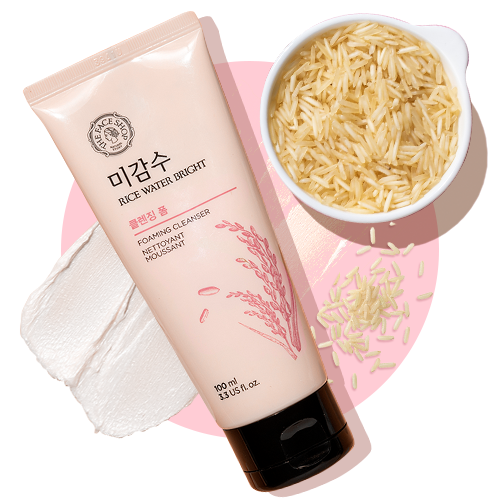
- Start with a gentle cleanser. Try the Rice Water Bright Cleansing Foam for a soft, non-stripping cleanse.
- Patch test your exfoliant behind your ear or on your jawline for 24 hours before full-face use.
- Apply your gentle exfoliator (PHA or enzyme) 1-2 times per week at night. Increase frequency only if your skin tolerates it well.
- Follow with a hydrating toner - see our Hydrating Toner collection for options that soothe and prep the skin.
- Seal in moisture with a lightweight, non-comedogenic moisturizer.
- Always use sunscreen during the day, as exfoliation can increase sun sensitivity.
Tip: In humid Indian summers, opt for gel-based hydrators and avoid layering too many actives.
Best Gentle K-Beauty Exfoliators for Sensitive Indian Skin
Ready to shop? Here are some gentle exfoliating options curated for Indian skin:
- Alltimate Panthenol 2% Exfoliating Gel: Features PHAs and panthenol for barrier support, priced around INR 1,200. Suitable for frequent use on sensitive skin.
- Rice Water Bright Cleansing Foam: Contains rice enzyme extract for mild daily exfoliation and brightening, ideal for beginners.
- For those with oily, sensitive skin, explore our Charcoal & Detox Cleanser for Oily Skin collection for gentle, non-abrasive options.
All products are available in India, with transparent INR pricing and reliable shipping.
Common Mistakes to Avoid When Exfoliating Sensitive Skin
- Over-exfoliating: More is not better. Stick to 1-2 times per week unless your skin is highly tolerant.
- Mixing too many actives: Avoid combining exfoliants with retinol or vitamin C in the same routine.
- Skipping sunscreen: Exfoliated skin is more vulnerable to UV damage, which can worsen pigmentation.
- Ignoring patch tests: Always test new products to prevent unexpected reactions.
Remember, patience is key. Gentle exfoliation delivers results over weeks, not days.
Special Considerations: Sensitive Skin Conditions in India
Indian skin can be sensitive due to heat, humidity, pollution, and genetic factors. If you experience:
- Heat-induced redness: Use exfoliants at night and avoid on days with sunburn or irritation.
- Acne-prone sensitivity: Choose PHAs or enzyme exfoliants over BHAs, which can sometimes be too drying.
- Hyperpigmentation: Gentle exfoliation helps, but combine with brightening serums and diligent sun protection for best results.
Consult a dermatologist if you have persistent irritation or underlying skin conditions.
Mini-Checklist: Safe Exfoliation for Sensitive Indian Skin
- Choose PHAs or enzyme-based exfoliators
- Patch test before full use
- Limit frequency to 1-2 times per week
- Layer with hydrating, soothing products
- Never skip sunscreen
Following these steps will help you achieve the coveted glass skin glow - gently and safely.
Conclusion: Your Path to Glass Skin Starts with Gentle Care
Gentle K-Beauty exfoliators are a game-changer for sensitive Indian skin. By choosing the right acids, integrating them thoughtfully into your routine, and avoiding common mistakes, you can unlock a luminous, healthy complexion. Explore our curated range from The Face Shop for trusted, India-available options. Remember, glass skin is about consistency and care - not shortcuts.
FAQ
Can I use gentle K-Beauty exfoliators daily if I have sensitive Indian skin?
For most people with sensitive Indian skin, it's best to start with 1-2 times per week. Daily use can lead to irritation, even with gentle acids like PHAs or enzymes. Monitor your skin and increase frequency only if there’s no redness or discomfort.
Are PHAs better than AHAs for Indian skin?
Yes, PHAs are generally less irritating than AHAs and are ideal for sensitive, melanin-rich Indian skin. They exfoliate gently while hydrating and supporting the skin barrier, reducing the risk of post-inflammatory pigmentation.
What should I do if I experience irritation after exfoliating?
Stop using the exfoliant immediately and focus on soothing, hydrating products. Avoid other actives and always use sunscreen. If irritation persists, consult a dermatologist.
Which gentle exfoliator is best for oily, sensitive skin in India?
Look for PHAs or enzyme-based exfoliators. The Alltimate Panthenol 2% Exfoliating Gel is a good option, as is the Rice Water Bright Cleansing Foam for mild daily use. For oily skin, charcoal-based gentle cleansers can also help.
How do I know if a product is suitable for my sensitive skin?
Check for keywords like 'gentle,' 'PHA,' or 'enzyme' in the ingredients. Always patch test before full use, and avoid products with high concentrations of AHAs, BHAs, or added fragrance.