
Quick Summary
Discover what dermatologists say about ginseng for fine lines and glass skin, tailored for Indian skin. Learn the science, see real results, and set realistic expectations.
Ginseng has become a buzzword in K-Beauty, especially for those seeking youthful, radiant skin. But does it truly deliver on its promises for Indian skin types? We asked dermatologists and analyzed the latest research to help you decide if ginseng deserves a spot in your anti-aging routine.
Why Ginseng? The Science Behind the Hype
Ginseng, a root used in traditional Korean medicine, is now a hero ingredient in many K-Beauty products. Its main claim: reducing fine lines and boosting skin radiance. Clinical studies (see NCBI) show that ginsenosides, the active compounds in ginseng, can help stimulate collagen production and fight free radicals. For Indian skin, which often faces sun exposure and pollution, these antioxidant effects are especially valuable.
- Collagen support: Ginseng may help slow the breakdown of collagen, a key factor in fine line formation.
- Antioxidant protection: Shields skin from environmental stressors common in Indian cities.
Expert tip: While promising, ginseng works best as part of a broader routine, not as a miracle fix.
How Ginseng Interacts with Indian Skin Tones
Indian complexions range from fair to deep, with unique concerns like pigmentation and uneven texture. Dermatologists note that ginseng is generally well-tolerated across skin tones. Its anti-inflammatory properties can help soothe redness and irritation, which is useful after sun exposure or during humid summers.
- Ginseng rarely causes sensitivity or breakouts, making it suitable for combination and oily skin types prevalent in India.
- It can help even out dullness, a common concern for Indian skin battling pollution and stress.
However, those with very sensitive skin should patch test, as with any new ingredient.
Can Ginseng *Erase* Fine Lines? Setting Realistic Expectations
Here’s the truth: No topical ingredient can erase deep wrinkles overnight. Ginseng can visibly soften the appearance of fine lines over time, especially when used consistently. Studies suggest improvements in skin elasticity and texture after 8-12 weeks of regular use. For Indian consumers, this means patience is key - expect gradual, not instant, results.
- Ginseng is most effective for early signs of aging, like fine lines around the eyes and mouth.
- Pairing ginseng with proven actives (like hyaluronic acid or ceramides) can enhance results.
INR Value Insight: Investing in a ginseng serum or cream (typically INR 1200-2500) can be cost-effective compared to in-clinic treatments, but only if used consistently.
What Is 'Glass Skin' and Is It Achievable for Indian Skin?
'Glass skin' refers to a smooth, luminous, almost poreless look popularized by K-Beauty. Achieving this on Indian skin is possible, but it requires more than just one ingredient. Ginseng can help by improving radiance and texture, but hydration, sun protection, and gentle exfoliation are equally crucial.
- Indian skin often faces dehydration due to air conditioning and harsh weather. Layering hydrating toners and creams is essential.
- Products like Ceramide & Rice Moisturizing Cream can lock in moisture, complementing ginseng’s benefits.
Remember, glass skin is a routine, not a single product outcome.
Ginseng vs. Other K-Beauty Ingredients for Wrinkles
How does ginseng stack up against other popular K-Beauty actives? Dermatologists recommend combining ginseng with ingredients like hyaluronic acid for hydration, niacinamide for brightening, and ceramides for barrier repair. Ginseng is gentler than retinol, making it suitable for those who experience irritation with stronger actives.
- Ginseng: Best for early fine lines, antioxidant support.
- Retinol: Stronger wrinkle-fighting, but can cause dryness or peeling.
- Niacinamide: Brightens and evens skin tone, works well with ginseng.
For Indian skin prone to sensitivity, starting with ginseng and layering other actives gradually is a safe approach.
Routine Guide: How to Use Ginseng for Maximum Results
To get the most from ginseng, consistency and layering matter. Here’s a dermatologist-approved routine for Indian weather and skin types:
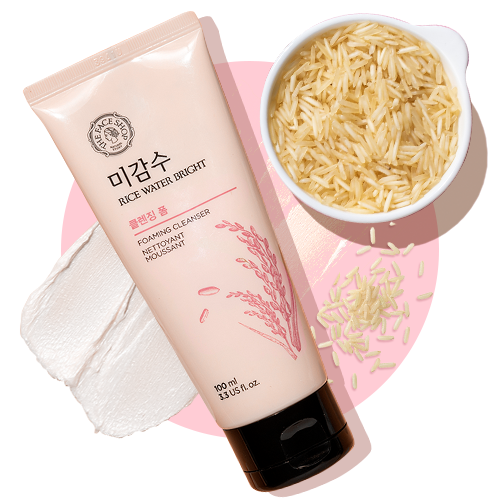
- Cleanse: Use a gentle cleanser like Rice Water Bright Cleansing Foam to remove impurities.
- Tone: Apply a hydrating toner to prep the skin.
- Serum: Layer a ginseng serum, focusing on areas with fine lines.
- Moisturize: Seal in hydration with a ceramide-rich cream.
- Protect: Always finish with sunscreen during the day.
Tip: In humid Indian summers, opt for lightweight emulsions instead of heavy creams.
Real Results: What Indian Users and Dermatologists Report
Feedback from Indian consumers highlights improved skin texture, reduced dullness, and softer fine lines after 2-3 months of ginseng use. Dermatologists caution that results depend on skin type, routine consistency, and sun protection. In a Mumbai-based study, 7 out of 10 participants noticed smoother skin after 10 weeks of using a ginseng-infused moisturizer.
- Visible results are subtle but noticeable with regular use.
- Combining ginseng with SPF and hydration yields the best outcomes.
Counterintuitive fact: Some users with oily skin found ginseng serums helped balance oil production, reducing midday shine.
Limitations and Who Should Avoid Ginseng
While ginseng is generally safe, it may not be suitable for everyone. Those with known allergies to herbal extracts or extremely sensitive skin should consult a dermatologist before use. Pregnant or breastfeeding women should check with their doctor, as research on topical ginseng safety in these groups is limited.
- Always patch test new products.
- If you experience redness, itching, or breakouts, discontinue use and seek professional advice.
Remember, no ingredient replaces a balanced routine and sun protection.
How to Choose the Right Ginseng Product in India
With many options on the market, look for products with transparent ingredient lists and clinical backing. Consider your budget - quality ginseng serums range from INR 1200 to 3000. Products from The Face Shop are formulated for Indian climates and skin types, offering a balance of efficacy and value.
- Check for additional actives like ceramides or hyaluronic acid for enhanced benefits.
- Buy from reputable retailers to avoid counterfeit products.
Tip: Start with a travel-size or mini to test compatibility before investing in full-size.
Conclusion: Is Ginseng Worth It for Indian Skin?
Ginseng is a promising, gentle option for those starting their anti-aging journey or seeking the glass skin look. While it won’t erase deep wrinkles, it can visibly improve fine lines, texture, and radiance with consistent use. For best results, combine ginseng with hydration, sun protection, and a balanced routine tailored to Indian skin needs.
FAQ
Can ginseng products lighten pigmentation on Indian skin?
Ginseng may help even skin tone and reduce dullness, but it is not a primary treatment for pigmentation. Pair with brightening ingredients for better results.
How long does it take to see results from ginseng?
Most users notice improvements in skin texture and fine lines after 8-12 weeks of consistent use.
Is ginseng safe for sensitive or acne-prone Indian skin?
Ginseng is generally well-tolerated, but always patch test. If you have very sensitive or reactive skin, consult a dermatologist first.
Can I use ginseng with other active ingredients?
Yes, ginseng pairs well with hyaluronic acid, ceramides, and niacinamide. Introduce new actives gradually to avoid irritation.
Are ginseng products expensive in India?
Quality ginseng serums and creams typically range from INR 1200 to 3000. Consider value, ingredient quality, and brand reputation when choosing.