
Quick Summary
Discover dermatologist-approved Korean actives that soothe redness and irritation on sensitive Indian skin. Learn how to achieve glass skin safely, with evidence-based tips and India-specific product picks.
Dreaming of glass skin but worried about redness or irritation? Sensitive Indian skin faces unique challenges - heat, humidity, pollution, and a wide range of skin tones. We asked dermatologists and K-beauty experts to break down which Korean actives truly calm, not aggravate, sensitive skin. Here’s your evidence-based, India-specific guide to achieving luminous, irritation-free glass skin.
1. Understanding Sensitive Indian Skin: Why Redness Happens
Redness in Indian skin can be triggered by harsh weather, pollution, spicy foods, or even overzealous skincare routines. Dermatologists note that Indian skin, especially in metro cities, often has a compromised barrier due to environmental stressors. This makes it more reactive to strong actives like AHAs or retinoids. According to a 2023 survey by the Indian Association of Dermatologists, over 40% of urban respondents reported sensitivity or redness after trying new skincare products.
- Key concern: Redness and irritation are more visible on lighter skin tones, but even deeper tones can experience discomfort and unevenness.
- Climate impact: High humidity in Mumbai or Chennai can worsen sensitivity, while dry winters in Delhi may strip the skin further.
2. What Is 'Glass Skin' - and Is It Safe for Sensitive Types?
‘Glass skin’ refers to a smooth, luminous, poreless look. While K-beauty routines often use potent actives, experts caution that not all are suitable for sensitive Indian skin. The focus should be on hydration, barrier repair, and gentle brightening - not aggressive exfoliation.
- Counterintuitive fact: Over-exfoliation can actually make redness worse, delaying your glass skin goals.
- Expert tip: Choose actives that soothe and strengthen, not just brighten.
3. Centella Asiatica (Cica): The Superstar for Redness Relief
Centella Asiatica, also known as Cica, is a hero ingredient in Korean skincare for calming inflammation. Indian dermatologists recommend it for its ability to soothe redness, repair the skin barrier, and reduce visible irritation. Clinical studies show that Cica’s compounds - madecassoside and asiaticoside - help decrease redness and support healing, making it ideal for sensitive skin in India’s harsh climate.
- How it works: Cica reduces the release of inflammatory markers and boosts collagen production.
- India-specific tip: Look for lightweight Cica serums or creams that won’t feel greasy in humid weather.
4. Mugwort (Artemisia): Nature’s Answer to Reactive Skin
Mugwort, or Artemisia, is gaining popularity in India for its anti-inflammatory and antioxidant properties. It calms redness, soothes itching, and helps manage pollution-induced irritation. Dermatologists highlight that mugwort is especially useful for those with redness-prone, combination skin - a common concern in Indian metros.
- Mini-checklist: When shopping for mugwort products, check for clear labeling of Artemisia extract and avoid added fragrances.
- Value tip: Mugwort essences are often available in 100-150 ml sizes, offering good value for INR 1200–1800 per bottle.
5. Heartleaf (Houttuynia Cordata): Pollution Defense for Indian Cities
Heartleaf is a gentle, plant-based active that targets redness and helps detoxify the skin. Its natural anti-inflammatory action is especially beneficial for Indian skin exposed to high pollution levels in cities like Delhi and Bengaluru. Heartleaf calms irritation without clogging pores, making it suitable for both oily and dry sensitive types.
- Counterintuitive fact: Heartleaf can help reduce oiliness and redness simultaneously - a rare combo for Indian skin types.
- Practical example: Use a heartleaf toner after cleansing to prep your skin for serums and creams.
6. Panthenol (Pro-Vitamin B5): The Hydration Hero
Panthenol is a dermatologist favorite for sensitive skin. It hydrates, supports barrier repair, and reduces redness. Indian consumers often overlook panthenol, but it’s a staple in many Korean calming formulas. Studies published in the Journal of Dermatological Science confirm its effectiveness in reducing irritation and improving skin comfort.
- Mini-checklist: Look for panthenol in moisturizers and serums, especially if you use actives like Vitamin C or niacinamide.
- Budget tip: Panthenol-rich products are available for as low as INR 800, making them accessible for most routines.
7. How to Layer Calming Actives Safely: The Indian Routine
Layering is key to K-beauty, but sensitive Indian skin needs a gentle approach. Dermatologists recommend starting with a mild cleanser, followed by a hydrating toner, then layering calming serums (like Cica or heartleaf), and finishing with a lightweight moisturizer. Always patch test new products on your jawline for 24 hours before full application.
-
Step-by-step:
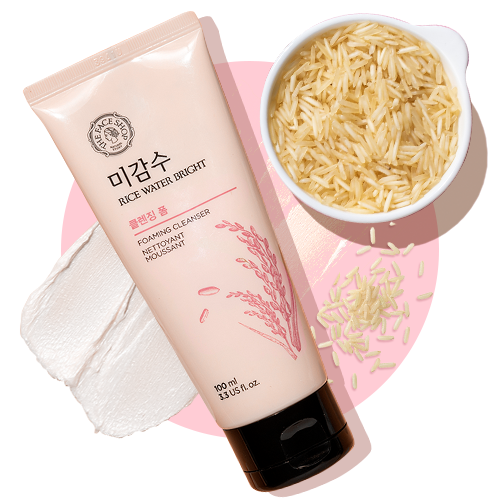
- Cleanse with a gentle, non-stripping formula. Try Rice Water Bright Cleansing Foam for a soft, non-drying cleanse.
- Apply a calming toner (look for heartleaf or mugwort).
- Layer a Cica or panthenol serum.
- Seal with a barrier-repair moisturizer, such as Ceramide & Rice Moisturizing Emulsion.
- Adapt for climate: In summer, use gel textures; in winter, opt for richer creams.
8. Patch Testing: Your First Line of Defense
Indian skin can react unpredictably to new actives, especially in hot, humid weather. Patch testing is essential. Apply a small amount of the product behind your ear or on your jawline and wait 24 hours. If there’s no redness or itching, you’re good to go. This simple step can save you from costly irritation.
- Pro tip: Always patch test when introducing a new active, especially if you have a history of allergies or eczema.
- Value reminder: Many K-beauty brands offer mini sizes or travel kits - ideal for patch testing before investing in full sizes.
9. Realistic Results: What to Expect (and What Not To)
Achieving glass skin is a journey, not an overnight transformation. Dermatologists caution that visible redness may take 2–4 weeks to subside with consistent use of calming actives. Results also depend on your skin’s baseline sensitivity, climate, and lifestyle habits.
- Expectation setting: If your redness is due to medical conditions like rosacea, consult a dermatologist before starting new actives.
- Maintenance tip: Stick to a simple routine and avoid switching products too often.
10. Smart Shopping: How to Choose Calming Actives in India
With so many K-beauty options now available in India, it’s important to shop smart. Look for products with clear ingredient lists, avoid harsh fragrances, and check for authenticity. Shopping during value events like BOGO or 2 at 1499 can help you build your routine at a lower cost.
-
Checklist:
- Prioritize fragrance-free, alcohol-free formulas.
- Choose products with Centella, mugwort, heartleaf, or panthenol as key actives.
- Buy from authorized retailers to ensure product authenticity.
- India-specific tip: Look for INR-based offers and bundles to maximize value.
Conclusion: Calm, Soothe, and Glow - The Indian Way
Glass skin is possible for sensitive Indian skin with the right calming actives and a gentle approach. Focus on barrier repair, hydration, and anti-inflammatory ingredients. With patience and smart product choices, you can achieve a radiant, redness-free complexion that thrives in India’s unique climate.
FAQ
Which Korean active is best for calming redness on sensitive Indian skin?
Centella Asiatica (Cica) is widely recommended by dermatologists for its proven ability to reduce redness, repair the skin barrier, and soothe irritation. It works well for most Indian skin types and climates.
Can I use glass skin routines if I have sensitive skin in India?
Yes, but focus on hydration, barrier repair, and gentle actives like Cica, mugwort, and panthenol. Avoid aggressive exfoliation and always patch test new products.
How do I patch test a new K-beauty product?
Apply a small amount behind your ear or on your jawline and wait 24 hours. If there’s no redness or itching, it’s safe to use on your face.
Are calming Korean actives suitable for oily, redness-prone skin?
Yes. Ingredients like heartleaf and mugwort can calm redness while also helping to control oil, making them ideal for oily, sensitive Indian skin.
Where can I find authentic calming Korean skincare in India?
Buy from authorized retailers and look for INR-based offers. Shopping during value events like BOGO or 2 at 1499 can help you save while building your routine.