
Quick Summary
Is your K-Beauty 'Glass Skin' routine helping or harming sensitive Indian skin? Dermatologists reveal how to balance anti-aging and sensitivity for real results without making fine lines worse.
Chasing the 'Glass Skin' look is a top beauty goal for many Indians, but if you have sensitive skin and are worried about fine lines, you might wonder: is this routine helping or harming your skin? Dermatologists weigh in with evidence-backed advice tailored for Indian skin types, climate, and budgets.
1. The 'Glass Skin' Trend: Why It Appeals to Indian Skin Goals
'Glass Skin' - a term popularized by K-Beauty - means achieving a luminous, poreless, and healthy complexion. For Indian consumers, this trend is especially appealing due to:
- Visible radiance: Many Indians seek to address dullness, tanning, and uneven tone caused by sun exposure and pollution.
- Hydration focus: Humid and dry Indian climates both challenge skin hydration, making the dewy 'Glass Skin' look desirable.
- Gentle layering: K-Beauty routines emphasize layering lightweight products, which can suit sensitive skin if chosen wisely.
But is this routine always safe for sensitive, aging skin?
2. Sensitive Indian Skin: Unique Challenges in the Anti-Aging Journey
Indian skin is often more prone to pigmentation, irritation, and sensitivity due to higher melanin content and environmental stressors. Dermatologists highlight:
- Sun exposure: UV rays accelerate fine lines and pigmentation. In India, daily sun protection is non-negotiable.
- Pollution: Air quality in cities like Delhi and Mumbai can trigger inflammation and sensitivity.
- Product overload: Over-layering actives (like acids and retinol) can backfire, causing redness or worsening fine lines.
Choosing the right routine is crucial for both anti-aging and comfort.
3. Are 'Glass Skin' Routines Making Fine Lines Worse?
Some Indian consumers report increased dryness or irritation after starting multi-step K-Beauty routines. Dermatologists explain why:
- Over-exfoliation: Using multiple exfoliants (AHAs, BHAs, scrubs) strips the skin barrier, making fine lines more visible.
- Harsh actives: Retinol and vitamin C are powerful but can irritate sensitive skin if not introduced gradually.
- Fragrance overload: Fragranced products, common in K-Beauty, may trigger reactions in sensitive Indian skin.
Pro tip: If your skin feels tight, flaky, or stings after your routine, it’s time to simplify and focus on barrier repair.
4. Dermatologist-Approved 'Glass Skin' Routine for Sensitive, Aging Indian Skin
Here’s a step-by-step routine, with India-specific product types and practical INR value framing:
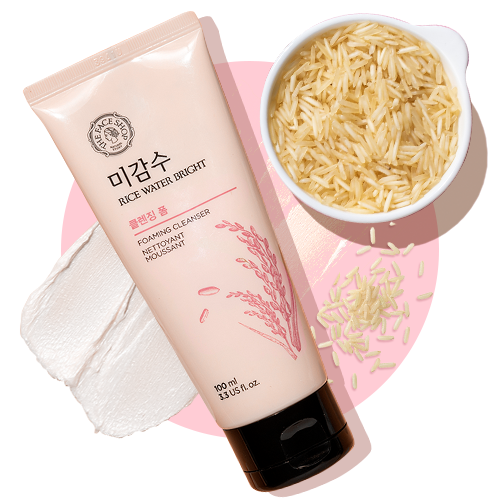
- Gentle Cleanser: Use a sulfate-free, pH-balanced cleanser. Rice Water Bright Cleansing Foam (INR 650) is a popular choice for its mildness and brightening effect.
- Hydrating Toner: Choose alcohol-free formulas with hyaluronic acid or rice extract. Explore our Hydrating Toner collection for options starting at INR 900.
- Serum: For fine lines, look for peptides or low-strength vitamin C. Avoid high-strength actives if your skin is reactive.
- Moisturizer: Ceramide creams help repair the barrier. Ceramide & Rice Moisturizing Cream (INR 990) is gentle and effective.
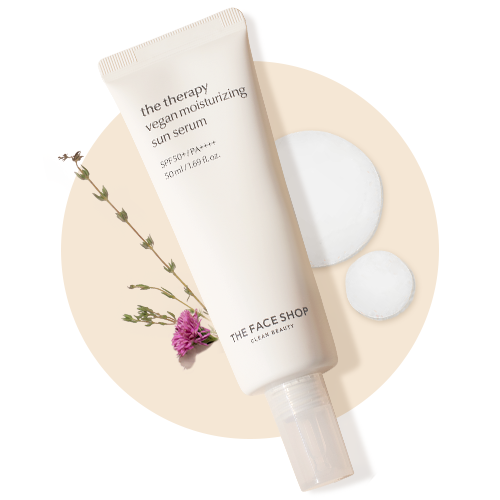
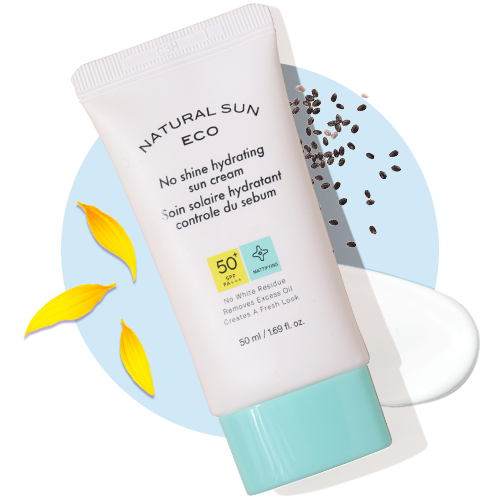
- Sunscreen: Daily SPF is essential. Opt for mineral or hybrid sunscreens with no white cast, suitable for Indian skin tones.
Remember: More steps do not always mean better results. Quality and compatibility matter most.
5. Ingredient Watch: What to Use and What to Avoid for Sensitive Skin
Not all K-Beauty ingredients are created equal for Indian skin. Dermatologists recommend:
- Safe bets: Hyaluronic acid, centella asiatica, rice extract, ceramides, and panthenol are soothing and hydrating.
- Use with caution: Retinol and strong acids (AHA/BHA) can be effective but should be started slowly - once or twice a week, at night, and always with sunscreen in the morning.
- Skip: High-fragrance products, harsh scrubs, and alcohol-heavy toners.
Check ingredient lists and patch test new products, especially if you have a history of allergies or eczema.
6. The Indian Climate Factor: Adapting Your Routine for Humidity and Heat
India’s climate varies from dry winters to humid monsoons. Here’s how to adjust:
- Humid weather: Use lightweight, non-comedogenic gels and avoid heavy occlusives that can clog pores.
- Dry weather: Layer hydrating toners and creams to prevent dehydration lines.
- Year-round: Sunscreen is a must, even indoors, as UVA rays penetrate windows.
Mini-checklist for Indian summers:
- Switch to gel-based moisturizers
- Blot excess oil, don’t over-cleanse
- Reapply sunscreen every 2-3 hours
7. Budgeting for Results: INR-Savvy K-Beauty Choices
K-Beauty can be affordable in India if you shop smartly:
- Starter kits: Look for value sets or Buy 2 Get 1 offers to try multiple products without overspending.
- Multi-use products: A hydrating toner can double as a soothing mask when layered with cotton pads.
- Focus on essentials: Invest in a gentle cleanser, moisturizer, and sunscreen first. Add serums later if needed.
For example, a basic routine with Rice Water Bright Cleansing Foam, a hydrating toner, and Ceramide & Rice Moisturizing Cream can cost under INR 2,500 and last 2-3 months.
8. Common Myths Debunked: Dermatologist Q&A
-
Myth: More steps mean better results.
Fact: Over-layering can irritate sensitive skin and worsen fine lines. -
Myth: All K-Beauty is gentle.
Fact: Some products contain strong actives or fragrances that may not suit Indian skin. -
Myth: You must use retinol for anti-aging.
Fact: Peptides, ceramides, and antioxidants can also help, especially if your skin is sensitive to retinol.
Always consult a dermatologist before starting new actives, especially if you have a history of allergies or chronic skin conditions.
9. When to See a Dermatologist: Red Flags to Watch For
If you notice any of the following, pause your routine and consult a professional:
- Persistent redness, burning, or stinging
- Sudden increase in fine lines or peeling
- Unusual pigmentation or breakouts
Indian dermatologists are familiar with local skin concerns and can recommend tailored routines and prescription options if needed.
10. Building a Routine That Lasts: Practical Tips for Indian Skin
- Patch test every new product
- Introduce one new product at a time
- Listen to your skin - if it feels irritated, simplify
- Prioritize sunscreen and hydration over trends
With the right approach, you can enjoy the benefits of K-Beauty and the 'Glass Skin' look - without risking your skin’s health or making fine lines worse.
FAQ
Can sensitive Indian skin achieve the 'Glass Skin' look safely?
Yes, by choosing gentle, fragrance-free products and avoiding over-exfoliation, sensitive Indian skin can achieve a radiant, healthy glow without worsening fine lines.
Is retinol safe for sensitive skin in India?
Retinol can be effective for anti-aging but should be introduced slowly—start with low concentrations, use only at night, and always pair with sunscreen. If irritation occurs, consider peptides or ceramides instead.
How do I adapt my K-Beauty routine for Indian summers?
Switch to lightweight, gel-based moisturizers, blot excess oil instead of over-cleansing, and reapply sunscreen every 2-3 hours to protect against humidity and sun exposure.
Are K-Beauty products affordable in India?
Yes, many K-Beauty essentials are available in India at various price points. Look for value sets, multi-use products, and offers like Buy 2 Get 1 to maximize value.
When should I see a dermatologist about my skincare routine?
If you experience persistent redness, burning, sudden fine lines, or unusual pigmentation, pause your routine and consult a dermatologist familiar with Indian skin concerns.