
Quick Summary
Discover dermatologist-backed answers to common questions about protecting your skin barrier for glass skin in India’s polluted cities. Learn how to choose the right K-Beauty products and routines for Indian skin, climate, and budget.
India’s urban air pollution is among the world’s highest, and it’s not just your lungs at risk - your skin barrier faces daily attacks from dust, PM2.5, UV, and humidity swings. If you’re chasing the coveted 'glass skin' look, a resilient skin barrier is your best defense. We asked dermatologists and K-Beauty experts to answer the most common questions Indian consumers have about skin barrier health, pollution, and achieving that luminous, healthy glow.
What Is the Skin Barrier, and Why Does Indian Pollution Threaten It?
Your skin barrier is the outermost layer of your skin, acting as a shield against environmental stressors. In Indian cities like Delhi, Mumbai, and Bengaluru, pollution levels regularly exceed safe limits. Dermatologists warn that fine particles, heavy metals, and UV rays can weaken this barrier, leading to dryness, dullness, sensitivity, and even pigmentation - especially for Indian skin tones prone to post-inflammatory hyperpigmentation (PIH).
- Fact: Studies from NCBI show that urban pollution increases skin barrier damage and accelerates aging.
- Tip: If your skin feels tight, itchy, or looks uneven after a day outdoors, your barrier may be compromised.
How Does 'Glass Skin' Relate to Barrier Health?
'Glass skin' - the K-Beauty ideal of smooth, luminous, poreless skin - starts with a healthy barrier. In India, achieving this look means more than just layering serums. Dermatologists emphasize that a weak barrier lets in pollutants, causing irritation and breakouts that disrupt the glass skin effect. Instead, focus on gentle cleansing, barrier-repairing actives, and consistent hydration.
- Counterintuitive: Over-exfoliating or using harsh actives can worsen pollution damage, especially in humid Indian summers.
- Checklist: Prioritize products with ceramides, panthenol, and centella asiatica for barrier repair.
Which Ingredients Should Indian Consumers Look For?
Dermatologists recommend these evidence-backed ingredients for Indian skin exposed to pollution:
- Ceramides: Essential for repairing and strengthening the barrier. Try Ceramide & Rice Lightweight Emulsion for a non-greasy, INR-friendly option.
- Centella Asiatica: Soothes irritation and reduces redness, ideal for sensitive skin in polluted cities.
- Panthenol & Madecassoside: Calm inflammation and support healing.
- Hyaluronic Acid & Glycerin: Hydrate without heaviness - crucial for Indian humidity.
Always patch-test new products and introduce actives gradually, especially if your skin is already sensitive.
What Does a Pollution-Proof Glass Skin Routine Look Like in India?
Here’s a dermatologist-approved, step-by-step routine tailored for Indian urban living:
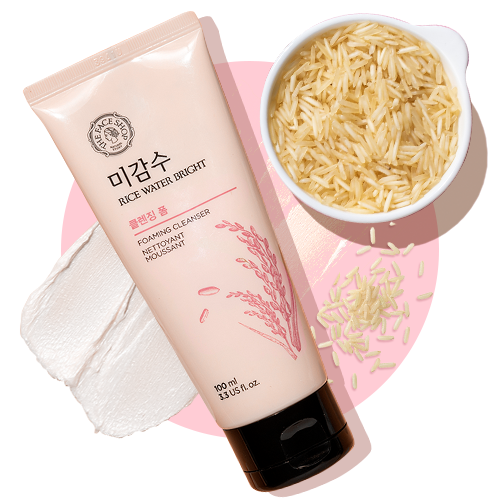
- Gentle Cleanser: Use a low-pH, non-stripping cleanser like Rice Water Bright Cleansing Foam to remove pollutants without drying out skin.
- Hydrating Toner/Essence: Look for formulas with hyaluronic acid or centella asiatica for lightweight hydration.
- Barrier Serum/Emulsion: Apply a ceramide-rich emulsion to lock in moisture and reinforce your skin’s shield.
- Moisturizer: Choose gel-based or light creams that suit Indian humidity and don’t clog pores.
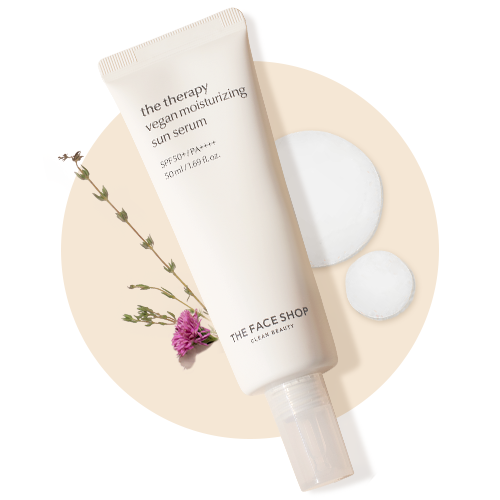
- Sunscreen: Never skip broad-spectrum SPF - even on cloudy days. Pollution can intensify UV damage.
- Mini-Checklist: Avoid harsh scrubs, alcohol-heavy toners, and overuse of acids.
How Can You Tell If Your Skin Barrier Is Damaged?
Common signs include:
- Persistent dryness or tightness, even after moisturizing
- Redness, stinging, or burning sensations
- Sudden breakouts or increased sensitivity
- Uneven tone or dark spots worsening after sun/pollution exposure
If you notice these, scale back actives and focus on barrier repair for at least two weeks. Products like Ceramide & Rice Lightweight Emulsion can help restore comfort quickly.
Are K-Beauty Products Effective and Accessible in India?
K-Beauty is popular in India for its gentle, results-driven approach. Many products are now available at INR-friendly prices and suit Indian skin types. For example, Rice Water Bright Cleansing Foam is a cult favorite for gentle cleansing, while ceramide-based emulsions offer lightweight hydration ideal for humid climates.
- Fact: K-Beauty’s focus on barrier repair aligns with dermatologist advice for Indian pollution.
- Tip: Shop official stores or trusted retailers to avoid counterfeits and ensure product safety.
What Are the Trade-Offs: Natural Home Remedies vs. K-Beauty Science?
Many Indians rely on home remedies like besan or turmeric masks. While these can soothe temporarily, dermatologists caution that they may not address barrier repair or pollution damage effectively. K-Beauty products, on the other hand, are formulated with clinically tested ingredients like ceramides and centella asiatica, offering targeted results. However, always check for ingredient compatibility with your skin and budget.
- Trade-off: Home remedies are cost-effective but may lack evidence for barrier repair. K-Beauty offers proven results but requires consistent use and patch-testing.
How Much Should You Spend? INR Value Guide for Barrier Repair
Effective barrier repair doesn’t have to break the bank. Many K-Beauty essentials are available in India between INR 500 and INR 1500. For example, Ceramide & Rice Lightweight Emulsion offers excellent value for its multi-tasking benefits. Look for bundle deals like 2 at 799 to maximize savings on essentials.
- Tip: Prioritize cleansers and barrier creams over trendy serums if you’re on a budget.
Expert Q&A: Dermatologists on Pollution, Barrier Repair, and Glass Skin in India
Q: Can pollution cause pigmentation in Indian skin?
A: Yes. Dermatologists confirm that pollution triggers inflammation and oxidative stress, which can worsen pigmentation, especially in medium to deep Indian skin tones.
Q: How often should I cleanse my face if I live in a polluted city?
A: Twice daily is ideal. Over-cleansing can strip your barrier, so use a gentle cleanser like Rice Water Bright Cleansing Foam for balance.
Q: Are ceramides safe for sensitive skin?
A: Absolutely. Ceramides are naturally present in skin and help repair sensitivity caused by pollution and harsh weather.
Q: Do I need different products for summer and winter?
A: In India, lighter gel-based moisturizers work for summer, while richer creams may be needed in winter or air-conditioned environments.
Q: How soon will I see results from barrier repair?
A: Most users notice improved comfort and glow within 2-3 weeks of consistent use, but severe damage may take longer. Always patch-test and adjust as needed.
Quick Tips: Building a Pollution-Proof Glass Skin Routine
- Double cleanse only if you wear heavy sunscreen or makeup.
- Layer hydration: toner, essence, emulsion, then moisturizer.
- Apply sunscreen every morning, reapplying every 2-3 hours outdoors.
- Use barrier-repairing products nightly for best results.
- Shop trusted K-Beauty picks from The Face Shop for authentic, INR-friendly options.
Conclusion: Your Path to Glass Skin in India’s Urban Jungle
Achieving glass skin in India’s polluted cities is possible with the right knowledge and routine. Focus on barrier repair, gentle cleansing, and consistent hydration. Choose evidence-backed K-Beauty products suited for Indian skin and climate, and always listen to your skin’s needs. With patience and smart choices, your skin can thrive - even in the harshest urban environments.
FAQ
Can pollution cause pigmentation in Indian skin?
Yes. Pollution triggers inflammation and oxidative stress, which can worsen pigmentation, especially in medium to deep Indian skin tones.
How often should I cleanse my face if I live in a polluted city?
Twice daily is ideal. Over-cleansing can strip your barrier, so use a gentle cleanser for balance.
Are ceramides safe for sensitive skin?
Absolutely. Ceramides are naturally present in skin and help repair sensitivity caused by pollution and harsh weather.
Do I need different products for summer and winter?
In India, lighter gel-based moisturizers work for summer, while richer creams may be needed in winter or air-conditioned environments.
How soon will I see results from barrier repair?
Most users notice improved comfort and glow within 2-3 weeks of consistent use, but severe damage may take longer. Always patch-test and adjust as needed.