
Quick Summary
Wondering if oily Indian skin can achieve the coveted 'glass skin' look without greasiness? Dermatologists answer top questions, debunk myths, and share practical, climate-smart tips for Indian consumers.
Indian summers and monsoons can make even the most dedicated skincare enthusiast wonder: is the 'glass skin' trend just a distant dream for oily skin types? We asked dermatologists and K-beauty experts to break down the facts, debunk myths, and share practical steps for Indian skin. Here’s your evidence-based, India-specific Q&A guide to achieving luminous, healthy skin - without the dreaded greasy shine.
What Exactly Is 'Glass Skin' - And Is It Realistic for Oily Indian Skin?
'Glass skin' describes a complexion that looks clear, smooth, and intensely hydrated - almost reflective, like glass. While the look originated in Korea, it’s become a global aspiration. But for Indian consumers, especially those with oily or combination skin, the big concern is: can you get that dewy glow without looking oily or feeling sticky in our humid climate?
- Fact: Glass skin is about healthy, balanced skin - not oiliness.
- Expert insight: Dermatologists in India confirm that with the right products and routine, oily skin can achieve a luminous (not greasy) finish.
- Key: The secret lies in hydration, gentle exfoliation, and lightweight layering - not heavy creams or oils.
So yes, glass skin is possible for oily Indian skin, but it requires a tailored approach.
How Does Humid Indian Weather Affect the Glass Skin Routine?
Humidity is a double-edged sword: it can help skin retain moisture, but also trigger excess oil and clogged pores. In cities like Mumbai or Chennai, sweat and sebum production spike, making rich products feel suffocating.
- Choose water-based, non-comedogenic formulas.
- Opt for gel textures and avoid occlusive balms or thick creams.
- Layering is key - use thin, buildable products rather than one heavy moisturizer.
Dermatologists recommend adjusting routines seasonally. For example, swap heavier serums for lightweight hydrators during monsoon, and always finish with a non-greasy sunscreen.
What Are the Essential Steps for a Glass Skin Routine for Oily Indian Skin?
Here’s a dermatologist-approved, India-friendly routine:
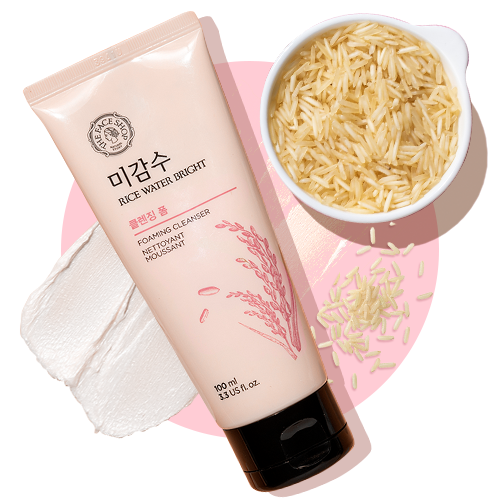
- Gentle Cleanser: Start with a mild, low-pH cleanser like Rice Water Bright Cleansing Foam to remove excess oil without stripping.
- Hydrating Toner: Use a lightweight toner such as Ceramide & Rice Moisturizing Toner to balance and prep skin.
- Serum: Look for serums with niacinamide, hyaluronic acid, or peptides. These ingredients hydrate and refine texture without clogging pores. Explore our Peptide Serum collection for options suited to Indian skin.
- Moisturizer: Choose a gel-based, oil-free moisturizer. Even oily skin needs hydration to prevent rebound oiliness.
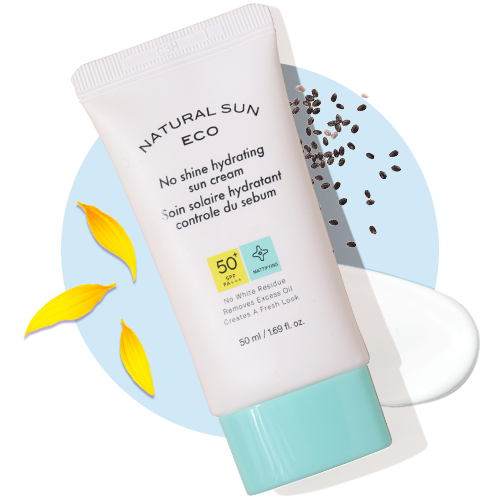
- Sunscreen: Always finish with a broad-spectrum, matte-finish sunscreen suitable for Indian weather.
Pro tip: Patch test new products and introduce actives slowly to avoid irritation, especially in hot, humid conditions.
Which Ingredients Should Oily Indian Skin Seek (or Avoid) for Glass Skin?
Not all 'glow-boosting' ingredients are created equal - especially for oily, acne-prone skin in India.
- Seek: Niacinamide, hyaluronic acid, centella asiatica, peptides, vitamin C (in stable, non-oily formulas).
- Use with caution: Heavy oils, petrolatum, and thick occlusives can trap sweat and sebum, leading to breakouts.
- Counterintuitive fact: Hydrating ingredients like hyaluronic acid can actually reduce oiliness by balancing the skin’s moisture barrier.
Indian dermatologists also recommend gentle chemical exfoliants (like BHA) once or twice a week to keep pores clear - especially in humid regions.
How Do You Prevent Greasiness While Layering Products?
Layering is at the heart of the glass skin routine, but overdoing it can backfire in Indian weather. Here’s how to keep your skin fresh, not slick:
- Apply products in the thinnest-to-thickest order.
- Let each layer absorb fully before adding the next - wait at least 30 seconds.
- Use pea-sized amounts; more is not always better.
- In peak humidity, consider skipping heavier steps (like occlusive creams) altogether.
Mini-checklist: If your skin feels sticky or looks shiny after layering, scale back on product quantity or switch to lighter alternatives.
Are There India-Specific Challenges or Myths About Glass Skin?
Absolutely. Here are some common misconceptions and realities:
-
Myth: Glass skin means looking oily or sweaty.
Reality: True glass skin is about clarity and hydration, not shine. -
Myth: Oily skin doesn’t need moisturizer.
Reality: Skipping moisturizer can make oiliness worse by triggering overproduction of sebum. - Challenge: Pollution and hard water in many Indian cities can dull skin and clog pores. Double cleansing and antioxidant serums help counteract these effects.
Remember, glass skin is a journey, not a quick fix - especially in India’s diverse climates.
What’s the Best Value Approach for Indian Budgets?
Achieving glass skin doesn’t require a 10-step routine or luxury products. Indian consumers can build an effective routine for under ₹2,000 per month by:
- Choosing multi-tasking products (e.g., a toner with hydrating and soothing ingredients).
- Investing in essentials: cleanser, toner, serum, moisturizer, sunscreen.
- Exploring travel sizes or starter kits to test what works for your skin.
For example, Rice Water Bright Cleansing Foam and Ceramide & Rice Moisturizing Toner 70ml offer high efficacy at accessible price points, making them ideal for routine starters.
How Do You Adjust the Routine for Different Indian Regions and Seasons?
India’s climate varies dramatically - from the dry north to the humid coasts. Dermatologists recommend:
- Monsoon/Summer (humid): Use gel cleansers, lightweight toners, and oil-free moisturizers. Blotting papers can help manage midday shine.
- Winter (dry): Layer a hydrating serum under your moisturizer and consider a slightly richer cream at night.
- Polluted cities: Double cleanse in the evening and use antioxidant serums to fight free radical damage.
Always adjust based on how your skin feels - listen to its needs, not just the calendar.
Can You Get Glass Skin with Only K-Beauty Products Available in India?
Yes, and the options are growing every year. Brands like The Face Shop offer K-beauty staples formulated for Indian skin types and climates. Look for products with transparent ingredient lists, and always check for local availability and authenticity - especially when shopping online.
- Many K-beauty products are now available on trusted Indian platforms and at INR-friendly prices.
- Starter kits and mini sizes are a smart way to trial routines without overspending.
Remember, consistency and patience are more important than brand or price tag.
Final Take: Is Glass Skin Worth the Effort for Oily Indian Skin?
With the right approach, glass skin is achievable for oily Indian skin - without the greasy aftermath. Focus on hydration, gentle exfoliation, and lightweight layering. Adapt your routine to India’s seasons and your own skin’s needs. And most importantly, embrace the journey: healthy, radiant skin is always in style.
FAQ
Can oily skin skip moisturizer in humid Indian weather?
No. Skipping moisturizer can increase oiliness. Choose a lightweight, gel-based formula instead.
How often should I exfoliate if I have oily skin?
1-2 times per week with a gentle BHA or enzyme exfoliant is ideal for most Indian skin types.
Is sunscreen necessary if I’m indoors most of the day?
Yes. UVA rays penetrate windows, so daily sunscreen is essential for preventing pigmentation and dullness.
Can I use vitamin C and niacinamide together?
Yes, most modern formulas are stable together. Always patch test and introduce slowly.
Are K-beauty products suitable for sensitive Indian skin?
Many are, but check for fragrance and alcohol content. Start with gentle, hydrating basics and monitor your skin’s response.