
Quick Summary
Is 'glass skin' possible for every Indian skin type? Dermatologists explain the truth, bust myths, and share K-beauty routines tailored for Indian skin tones and climates.
‘Glass skin’ - the K-beauty trend that promises a poreless, luminous, almost translucent complexion - has taken over Indian social media feeds. But is this look truly attainable for every Indian skin type and tone? We asked dermatologists and K-beauty experts to answer your most pressing questions, bust common myths, and share practical, evidence-backed routines tailored for Indian skin. Here’s what you need to know before you chase that coveted glow.
1. What Does 'Glass Skin' Actually Mean for Indian Skin?
In Korea, ‘glass skin’ refers to skin that is hydrated, smooth, and radiant - like a pane of glass. For Indian skin, which ranges from fair to deep brown and faces unique challenges like humidity, pollution, and pigmentation, the definition shifts. Dermatologists clarify that glass skin is not about achieving a lighter skin tone or erasing all pores. Instead, it’s about maximizing your skin’s natural clarity, bounce, and luminosity, regardless of your shade.
- Key takeaway: Glass skin is about healthy, hydrated, and even-toned skin, not unrealistic perfection.
- Fact: According to a 2022 survey by the Indian Association of Dermatologists, over 70% of respondents believed glass skin meant ‘fairness’ - a misconception experts are eager to correct.
2. Can Every Indian Skin Type Achieve 'Glass Skin'?
Yes - with realistic expectations and the right approach. Indian skin types are diverse: oily, dry, combination, sensitive, and acne-prone. Dermatologists agree that anyone can improve their skin’s radiance and smoothness, but the journey and results will differ. For example, oily skin may need lightweight hydration, while dry skin benefits from richer creams. Genetics, climate, and lifestyle also play a role.
- Tip: Focus on progress, not perfection. Even small improvements in hydration and texture can create a visible glow.
- Counterintuitive: Some oilier skin types in humid cities like Mumbai may achieve a dewy look faster than those with dry skin in Delhi’s winters.
3. What Are the Core Steps of a Glass Skin Routine for Indian Climates?
Indian weather - hot, humid, or dry - demands tweaks to the classic K-beauty routine. Here’s a dermatologist-approved, India-friendly version:
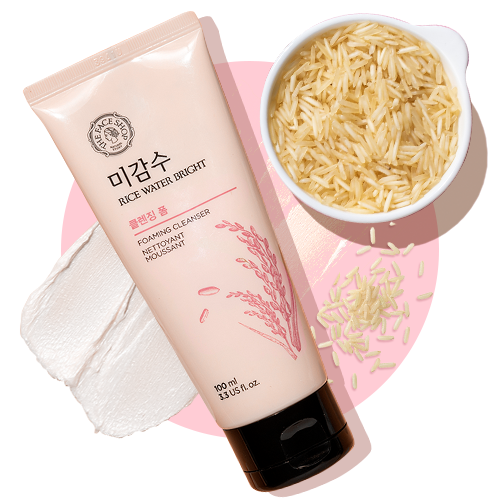
- Gentle Cleanser: Use a mild, non-stripping cleanser like Rice Water Bright Cleansing Foam to remove pollution and sweat without over-drying.
- Hydrating Toner/Essence: Look for formulas with hyaluronic acid or rice extracts to boost moisture.
- Targeted Serum: Vitamin C or niacinamide serums help with pigmentation and dullness. See our Vitamin C Serum collection for options.
- Lightweight Moisturizer: For oily or combination skin, try Ceramide & Rice Lightweight Emulsion. Dry skin types can opt for Ceramide & Rice Moisturizing Cream.
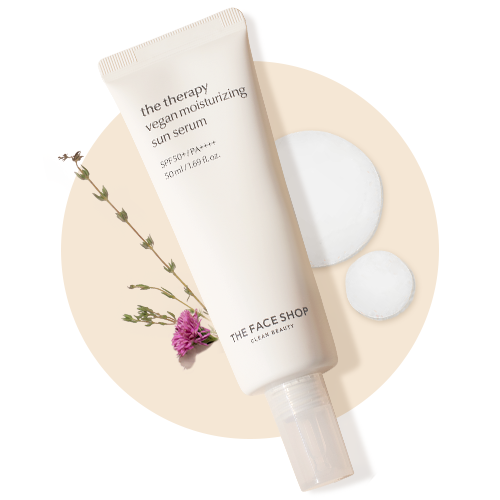
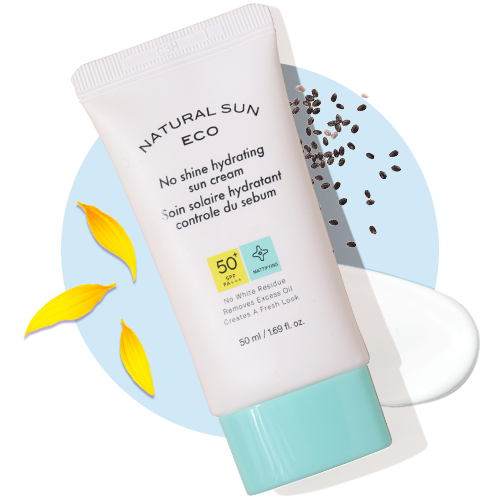
- Broad-Spectrum Sunscreen: Essential for all skin tones to prevent pigmentation and maintain glow.
Mini-checklist:
- Adapt textures for season (gel in summer, cream in winter)
- Layer products from thinnest to thickest
- Patch test new actives
4. Which Ingredients Actually Work for Indian Skin Tones?
Not all K-beauty ingredients are created equal for Indian skin. Dermatologists recommend:
- Vitamin C: Brightens and fades pigmentation common in Indian skin.
- Niacinamide: Balances oil, reduces spots, and strengthens the barrier.
- Rice Extract: Hydrates and soothes, ideal for sensitive or redness-prone skin.
- Hyaluronic Acid: Deep hydration without heaviness.
Evidence: A 2021 study in the Journal of Cosmetic Dermatology found that Indian participants using niacinamide saw a 30% reduction in hyperpigmentation after 8 weeks.
5. How Much Does a Glass Skin Routine Cost in India?
Contrary to popular belief, achieving glass skin doesn’t require a luxury budget. Many effective K-beauty products are available in India at accessible price points:
- Cleansers: INR 500–900
- Serums: INR 900–1800
- Moisturizers: INR 800–1500
Investing in a few high-impact products, like a quality serum or moisturizer, often delivers better results than buying an entire 10-step routine. For example, Ceramide & Rice Lightweight Emulsion offers barrier repair and hydration for under INR 1200.
6. What Are the Most Common Myths About Glass Skin in India?
-
Myth: Glass skin is only for fair or light skin tones.
Fact: Radiance and clarity are possible for every shade. The focus is on health, not color. -
Myth: You need 10+ products.
Fact: Most dermatologists recommend 4–5 steps, tailored to your skin’s needs. -
Myth: Glass skin means zero pores.
Fact: Pores are normal and visible on all skin types, especially in humid Indian weather.
Expert insight: “The best glass skin routines are simple, consistent, and adapted for your local climate,” says Dr. Priya Sharma, dermatologist, Mumbai.
7. How Should You Adapt for Indian Seasons and Pollution?
India’s climate swings from dry winters to humid monsoons, with pollution a year-round concern. Here’s how to tweak your routine:
- Summer/Monsoon: Use gel-based moisturizers and double cleanse to remove sweat and grime.
- Winter: Switch to richer creams and layer hydrating serums.
- Pollution: Antioxidants like Vitamin C and thorough cleansing are vital. Try Rice Water Bright Cleansing Foam for gentle yet effective cleansing.
Counterintuitive: Over-cleansing can strip your barrier - stick to twice daily, even in high pollution cities like Delhi.
8. What Are the Limitations and Realistic Expectations?
While K-beauty routines can dramatically improve texture and radiance, dermatologists caution that:
- Deep acne scars, melasma, or genetic pigmentation may require professional treatments.
- Results take time - expect visible changes in 6–12 weeks with consistency.
- Some actives may irritate sensitive Indian skin; always patch test.
Trust cue: Look for products with transparent ingredient lists and patch test before full use. Consult a dermatologist for persistent concerns.
9. How to Choose the Right Products for Your Skin Type?
With so many options, selection can be overwhelming. Here’s a quick guide:
- Oily/Acne-Prone: Lightweight, non-comedogenic formulas. Avoid heavy oils.
- Dry: Richer creams and hydrating serums.
- Sensitive: Fragrance-free, minimal ingredient lists. Rice and ceramide-based products are gentle choices.
Explore our Peptide Serum and Body Lotion / Moisturizer for Dry Skin collections for more tailored options.
10. Quick Routine Recap: Your Glass Skin Checklist
- Cleanse gently, twice daily
- Hydrate with toner/essence
- Target concerns with serum (Vitamin C, niacinamide)
- Moisturize according to skin type
- Never skip sunscreen
- Adjust for season and pollution
Consistency is key. Track your progress with photos every 4 weeks and celebrate small wins!
FAQ
Is glass skin possible for dark or brown Indian skin tones?
Absolutely. Glass skin is about clarity and radiance, not skin color. With the right routine, every Indian skin tone can achieve a healthy, luminous look.
Do I need to use 10 products to get glass skin?
No. Most Indian dermatologists recommend a simple 4–5 step routine, focusing on gentle cleansing, hydration, targeted treatment, moisturization, and sun protection.
How long does it take to see results from a glass skin routine?
Visible improvements typically appear in 6–12 weeks with consistent use. Deep pigmentation or scarring may require longer or professional treatments.
Are K-beauty products safe for sensitive Indian skin?
Many K-beauty products are formulated for sensitive skin, but always patch test first. Choose fragrance-free, minimal-ingredient products when in doubt.
Can I achieve glass skin on a budget in India?
Yes. Effective cleansers, serums, and moisturizers are available in India from INR 500–1800. Focus on quality over quantity for best value.