
Quick Summary
Discover which popular 'glass skin' ingredients can trigger breakouts in India's humid climate, plus dermatologist-approved alternatives and usage tips for clear, glowing skin.
Dreaming of glass skin but finding your face slick and spotty in India's sticky weather? You're not alone. Many popular 'glass skin' routines use ingredients that can backfire in our humid climate, leading to clogged pores and breakouts. We asked leading dermatologists to debunk the myths, explain what to avoid, and share science-backed swaps for clear, glowing skin - no matter how muggy it gets.
Why 'Glass Skin' Routines Can Backfire in Indian Humidity
Glass skin routines, inspired by Korean beauty, promise a dewy, poreless look. But India's high humidity (often 70%+ in cities like Mumbai and Chennai) changes the game. Heavy layers and certain actives can trap sweat and sebum, making breakouts more likely. Dermatologists in India report a spike in acne cases during monsoon months, especially among those following multi-step routines with rich occlusives or comedogenic oils.
- Fact: A 2023 survey by the Indian Association of Dermatologists found 62% of urban respondents experienced more breakouts after starting a 'glass skin' routine in summer.
- Tip: Adapt your routine seasonally and choose ingredients that suit India's climate.
Common 'Glass Skin' Ingredients That Can Trigger Breakouts
Some ingredients beloved in K-beauty can be problematic in Indian humidity. Dermatologists warn against:
- Heavy occlusives: Ingredients like mineral oil, shea butter, and some silicones can trap sweat and bacteria, leading to clogged pores.
- Rich emollients: Thick creams with fatty alcohols or coconut derivatives may feel suffocating on oily-prone Indian skin.
- Multiple layering: Too many hydrating serums and essences can overwhelm skin, especially if not properly absorbed.
Dr. Shreya, a Mumbai-based dermatologist, notes, "What works in Seoul's dry winter may not suit Delhi's monsoon. Indian skin, especially in humid regions, needs lighter, breathable formulas."
Myth-Busting: Not All Dewy Ingredients Are Safe for Humid India
It's a misconception that all hydrating or glowing ingredients are breakout-safe. For example:
- Snail mucin: While hydrating, some formulations are too sticky for humid weather and can mix with sweat, causing congestion.
- Propolis: Great for barrier repair, but heavy propolis serums can be too rich for oily or acne-prone skin in summer.
- Oils (even 'non-comedogenic' ones): In high humidity, any oil can mix with sebum and increase the risk of breakouts.
Instead, look for lightweight gels or emulsions that hydrate without leaving a film.
Dermatologist-Approved Alternatives for Indian Skin
So what should you use for glass skin in India? Experts recommend:
- Gel-based moisturizers: Water-based gels with hyaluronic acid or beta-glucan hydrate without heaviness.
- Rice and ceramide emulsions: These repair the skin barrier and add glow, but feel weightless. Try Ceramide & Rice Lightweight Emulsion for INR 990 - a smart investment for humid months.
- Niacinamide serums: Control oil and brighten without clogging pores.
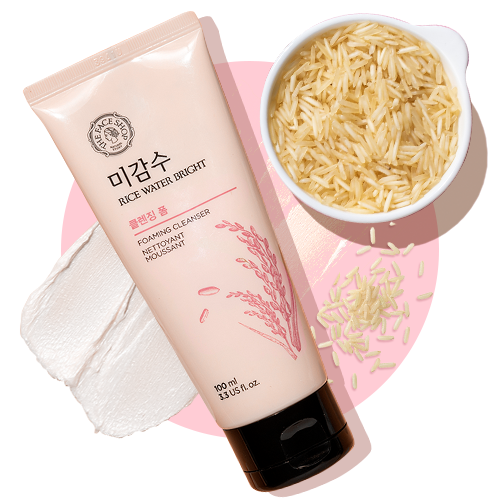
- Low-foam cleansers: Gentle formulas like Rice Water Bright Cleansing Foam remove sweat and pollution without stripping.
These swaps help you achieve a luminous look without risking congestion or breakouts.
Routine Mistakes: Layering and Over-Exfoliation
Even the best ingredients can cause trouble if used incorrectly. Common mistakes include:
- Layering too many products: More isn't always better. In humid weather, stick to 3-4 steps: cleanse, treat, moisturize, protect.
- Over-exfoliating: Using strong acids (AHA/BHA) too often can damage your barrier, making skin more prone to breakouts and sensitivity.
- Skipping sunscreen: UV exposure worsens post-acne marks and pigmentation, especially in India.
Mini-checklist for humid weather:
- Choose lightweight, non-sticky textures
- Limit actives to 1-2 per routine
- Always patch test new products
Actives That Work in Humid Indian Climates
Some actives are especially suited for India's weather:
- Niacinamide: Reduces oil, brightens, and soothes inflammation.
- Beta-glucan: Calms and hydrates without stickiness.
- Rice extract: Adds glow and gently evens tone - found in many masksheets for a quick boost.
Limitations: Even gentle actives can irritate if overused. Start slow, especially if your skin is sensitive or new to these ingredients.
Affordable Glass Skin Routines for Indian Budgets
Achieving glass skin doesn't require expensive imports. Many high-quality K-beauty products are now available in India, often under INR 1,000. For example:
- Rice Water Bright Cleansing Foam (INR 650): Gentle, brightening, and lasts 2-3 months.
- Ceramide & Rice Lightweight Emulsion (INR 990): Hydrates and repairs without heaviness.
- Explore 2 at 799 deals for value sets that let you build a routine affordably.
Tip: Look for combo offers and trial sizes to test what works for your skin before investing in full sizes.
How to Patch Test and Adjust for Indian Skin Sensitivities
Indian skin can be prone to pigmentation and sensitivity, especially after breakouts. Always:
- Patch test new products on your jawline or behind the ear for 48 hours.
- Introduce one new product at a time.
- If irritation or breakouts occur, stop use and consult a dermatologist.
Remember: What works for a friend or influencer may not suit your unique skin type, especially in India's diverse climates.
Expert Q&A: Dermatologists Answer Your Top Glass Skin Questions
Q: Can I use sheet masks daily in humid weather?
A: Not all sheet masks are suitable for daily use in India. Choose lightweight, non-occlusive formulas and limit to 2-3 times a week. Explore masksheets with rice or green tea for best results.
Q: Is double cleansing necessary?
A: In polluted Indian cities, double cleansing at night helps remove sunscreen and grime, but use gentle, non-stripping cleansers to avoid over-drying.
Q: Should I skip moisturizer if my skin feels oily?
A: No. Skipping moisturizer can trigger more oil production. Opt for gel-based or emulsion formulas instead.
Q: How do I know if a product is causing breakouts?
A: Watch for new pimples or clogged pores within 1-2 weeks of starting a product. Patch test and introduce slowly.
Q: Are K-beauty routines safe for all Indian skin tones?
A: Yes, but always check for fragrance or alcohol if you have sensitive skin. Focus on barrier-repairing and brightening ingredients like rice, ceramide, and niacinamide.
Conclusion: Achieve Glass Skin - The Indian Way
Glass skin is possible in India with the right tweaks. Focus on lightweight hydration, barrier repair, and sun protection. Avoid heavy occlusives and over-layering. Listen to your skin, patch test, and choose products designed for our climate. For trusted, dermatologist-recommended options, explore Ceramide & Rice Lightweight Emulsion and Rice Water Bright Cleansing Foam from The Face Shop.
FAQ
Can I use sheet masks daily in humid weather?
Not all sheet masks are suitable for daily use in India. Choose lightweight, non-occlusive formulas and limit to 2-3 times a week. Rice or green tea masksheets are ideal for humid climates.
Is double cleansing necessary for Indian skin?
In polluted Indian cities, double cleansing at night helps remove sunscreen and grime, but use gentle, non-stripping cleansers to avoid over-drying.
Should I skip moisturizer if my skin feels oily?
No. Skipping moisturizer can trigger more oil production. Opt for gel-based or emulsion formulas that hydrate without heaviness.
How do I know if a product is causing breakouts?
Watch for new pimples or clogged pores within 1-2 weeks of starting a product. Patch test and introduce new products slowly.
Are K-beauty routines safe for all Indian skin tones?
Yes, but always check for fragrance or alcohol if you have sensitive skin. Focus on barrier-repairing and brightening ingredients like rice, ceramide, and niacinamide.