
Quick Summary
Unlock the secrets to a non-sticky, radiant glass skin look during India's humid summer. Learn expert-backed K-beauty layering tips, common mistakes, and the best product textures for Indian skin.
Dreaming of that luminous, poreless 'glass skin' glow but struggling with sticky, heavy skin during India's humid summer? You're not alone. Many Indian skincare enthusiasts find their K-beauty routines faltering as temperatures and humidity soar. This guide unpacks the science, mistakes, and expert-backed strategies for adapting your glass skin routine to Indian summers - so you can look radiant, not greasy.
Why 'Glass Skin' Is Tricky in Indian Summers
Glass skin - a hallmark of K-beauty - means skin that’s hydrated, smooth, and almost translucent. But in India’s summer, high humidity and heat can make even lightweight products feel suffocating. Excess sweat, pollution, and sebum can clog pores, leading to breakouts or dullness. According to a 2018 study, Indian skin is more prone to post-inflammatory hyperpigmentation and oiliness in humid climates, making careful product selection and layering crucial.
- Key challenge: Achieving a dewy, not oily, finish
- Common mistake: Using too many rich or occlusive products
- Solution: Adapt textures and layering order for local weather
Step 1: Start with a Gentle, Non-Stripping Cleanser
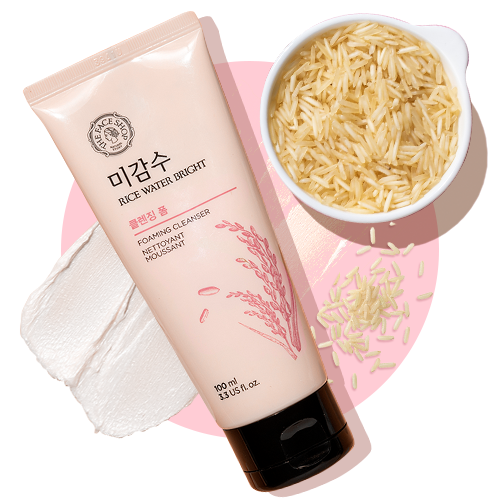
In summer, sweat and pollution can build up fast. However, over-cleansing or using harsh foams can strip your skin barrier, leading to rebound oiliness. Opt for a gentle, pH-balanced cleanser that removes impurities without drying out your skin. For example, Rice Water Bright Cleansing Foam offers a creamy lather that cleanses effectively but is gentle enough for daily use - even in the heat.
- Use lukewarm water to avoid shocking your skin
- Double cleanse only if you wear sunscreen or makeup
- Pat dry with a soft towel - no rubbing
Pro tip: Cleansing twice a day is enough. Over-washing can worsen oiliness.
Step 2: Choose Lightweight, Hydrating Toners
Traditional toners with alcohol can be too harsh, especially in Indian summers. Instead, look for hydrating, watery toners with ingredients like hyaluronic acid, rice extract, or centella asiatica. These replenish lost moisture without stickiness. In a 2022 survey by Nykaa, over 60% of Indian users preferred watery toners in summer for a non-greasy feel.
- Apply toner with your palms for better absorption
- Layer 2-3 times if your skin feels dehydrated
- Avoid cotton pads - they can waste product and irritate skin
Step 3: Layer Serums and Essences Wisely
Serums and essences are the heart of the glass skin routine. In humid weather, opt for formulas with niacinamide, snail mucin, or green tea extract. These ingredients hydrate, brighten, and control oil without heaviness. For example, snail mucin is known for its lightweight hydration and healing properties, making it ideal for Indian skin prone to post-acne marks.
- Apply thinnest to thickest: watery essences first, then slightly thicker serums
- Wait 30 seconds between layers for better absorption
- Use 2-3 drops per layer - less is more in summer
Counterintuitive fact: Skipping serums to avoid stickiness can backfire, as dehydrated skin produces more oil.
Step 4: Emulsions Over Creams - The Indian Summer Secret
Heavy creams can suffocate skin in the heat. Emulsions - lighter than creams but more nourishing than gels - are a K-beauty staple perfect for Indian summers. The Ceramide & Rice Lightweight Emulsion for Barrier Repair delivers barrier support and hydration without clogging pores or feeling greasy. At around INR 1,000-1,200, emulsions offer excellent value compared to imported creams that can cost double.
- Apply a pea-sized amount after serums
- Focus on drier areas like cheeks and jawline
- Skip if your skin is very oily - try a gel moisturizer instead
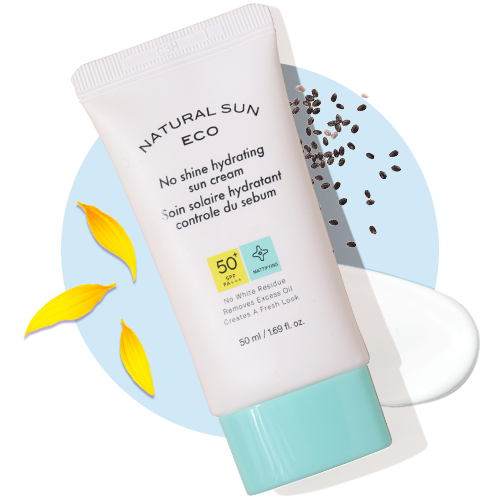
Step 5: Sunscreen - The Non-Negotiable Layer
UV damage is a year-round concern in India, but especially intense in summer. Choose a lightweight, broad-spectrum sunscreen with at least SPF 30. Gel-based or water-based formulas are best for humid weather. According to dermatologist Dr. Rachita Dhurat (Mumbai), “Skipping sunscreen is the top reason glass skin routines fail in India. Even indoors, UV rays can trigger pigmentation.”
- Apply generously - at least a coin-sized amount for face and neck
- Reapply every 2-3 hours if outdoors
- Look for non-comedogenic, sweat-resistant formulas
Common Mistakes Indians Make with K-Beauty Layering in Summer
Many Indian consumers unknowingly sabotage their glass skin goals by:
- Layering too many products, leading to pilling or clogged pores
- Using rich creams meant for dry climates
- Skipping hydration, thinking it will reduce oiliness
- Not adjusting routines for local water hardness or pollution
- Mixing incompatible actives (like vitamin C and AHAs) in the same routine
Quick checklist:
- Stick to 4-6 steps in summer
- Patch test new products
- Listen to your skin - adjust frequency as needed
Budget-Friendly Glass Skin: INR-Smart Shopping Tips
Achieving glass skin doesn’t have to break the bank. Many K-beauty-inspired products are now available in India at accessible price points. For example, Rice Water Bright Cleansing Foam 100 ml is often available in 2 at 799 offers, making it easy to stock up. Emulsions and toners last 2-3 months, so the monthly cost can be as low as INR 400-600 for a full routine.
- Look for combo deals and seasonal discounts
- Prioritize essentials: cleanser, toner, emulsion, sunscreen
- Invest in serums for targeted concerns like pigmentation
Adapting Your Routine for Oily, Acne-Prone, or Sensitive Indian Skin
Not all Indian skin is the same. If you have oily or acne-prone skin, focus on:
- Oil-controlling ingredients like niacinamide and zinc
- Non-comedogenic, fragrance-free formulas
- Spot treatments for active breakouts
For sensitive skin, avoid harsh exfoliants and stick to calming ingredients like centella asiatica or rice extract. Always patch test before full application.
Did you know? Indian skin is more prone to PIH (post-inflammatory hyperpigmentation) after acne. Consistent sunscreen and gentle layering are key to fading marks.
How to Tell If Your Routine Is Working (or Needs Tweaking)
Signs your glass skin routine is summer-ready:
- Skin feels hydrated but not sticky
- Minimal midday oiliness or shine
- Fewer breakouts and less redness
- Gradual fading of dark spots or pigmentation
If you notice increased congestion, persistent stickiness, or irritation, scale back on layers or switch to lighter textures. Remember, glass skin is about healthy, balanced skin - not perfection.
Summary: Your Indian Summer Glass Skin Routine Checklist
- Gentle, pH-balanced cleanser (e.g., Rice Water Bright Cleansing Foam)
- Hydrating, alcohol-free toner
- Lightweight serum or essence (niacinamide, snail mucin, green tea)
- Emulsion or gel moisturizer (e.g., Ceramide & Rice Lightweight Emulsion for Barrier Repair)
- Broad-spectrum sunscreen (SPF 30+)
Adapt, experiment, and listen to your skin. With the right layering strategy, glass skin is possible - even in the stickiest Indian summer.
FAQ
Can I follow a 10-step K-beauty routine in Indian summer?
It's best to simplify your routine to 4-6 steps during India's humid summer. Too many layers can cause stickiness and clogged pores. Focus on gentle cleansing, hydration, and sun protection.
Are emulsions better than creams for glass skin in India?
Yes. Emulsions provide hydration and barrier support without the heaviness of creams, making them ideal for Indian summers. They absorb quickly and help prevent that greasy feeling.
How do I prevent my skin from getting oily after layering products?
Use lightweight, non-comedogenic products and avoid over-layering. Hydrated skin produces less oil, so don't skip toner or serum. Always finish with a gel-based sunscreen.
Do I need to change my routine if I have sensitive or acne-prone skin?
Yes. Choose fragrance-free, calming ingredients like centella asiatica or rice extract. Avoid harsh exfoliants and patch test new products to prevent irritation or breakouts.
How can I build a glass skin routine on a budget in India?
Look for combo deals like '2 at 799' and prioritize essentials: cleanser, toner, emulsion, and sunscreen. Many products last 2-3 months, so your monthly cost can be INR 400-600.