
Quick Summary
Discover why your glass skin routine struggles during the Indian monsoon and how swapping your cleanser and serum can restore clarity and glow. Get practical, India-specific tips and product picks.
Dreaming of that luminous, poreless 'glass skin' look, but find your routine falters as soon as the monsoon hits? You're not alone. India's rainy season brings unique skincare challenges - think humidity, sweat, pollution, and sudden breakouts. If your regular K-beauty steps suddenly leave you sticky, dull, or breaking out, it's time for a seasonal reset. This guide unpacks why your glass skin routine struggles in the monsoon and exactly how to adapt your cleanser and serum choices for Indian skin and climate.
Monsoon Mayhem: Why Glass Skin Routines Struggle in India
Monsoon humidity in cities like Mumbai or Kolkata can soar above 80%, leading to excess oil, clogged pores, and a sticky feeling - even after cleansing. Traditional glass skin routines, designed for temperate climates, often use richer layers and heavier serums that can overwhelm Indian skin during this season. The result? Dullness, breakouts, and a far cry from that coveted dewy glow.
- Fact: Dermatologists in India report a 30% spike in acne and fungal breakouts during the monsoon (source: Indian Journal of Dermatology, 2023).
- Hard water and pollution can worsen skin congestion, especially when paired with the wrong cleanser or serum.
Humidity's Hidden Impact: How Monsoon Weather Alters Your Skin
High humidity doesn't just make you sweat - it changes your skin's oil production and barrier function. Sebum (oil) mixes with sweat and environmental grime, leading to clogged pores and a greasy feel. Many Indian consumers mistakenly skip moisturizer or use harsh cleansers, but this can strip the skin and trigger even more oiliness.
- Humidity can increase trans-epidermal water loss, making skin feel both oily and dehydrated.
- Fungal acne (Malassezia folliculitis) is more common in the monsoon, especially if you use heavy, occlusive products.
Why Your Cleanser Matters More Than Ever in Monsoon
During the monsoon, your cleanser is your first line of defense. Using a rich, creamy cleanser or one with heavy oils can leave residue, while harsh foaming cleansers can strip your skin barrier. The sweet spot? A lightweight, brightening cleanser that removes sweat, sunscreen, and pollution without over-drying.
- Look for formulas with gentle surfactants, rice water, or vitamin C for brightening and deep cleansing.
- Check for non-comedogenic ingredients to avoid clogging pores.
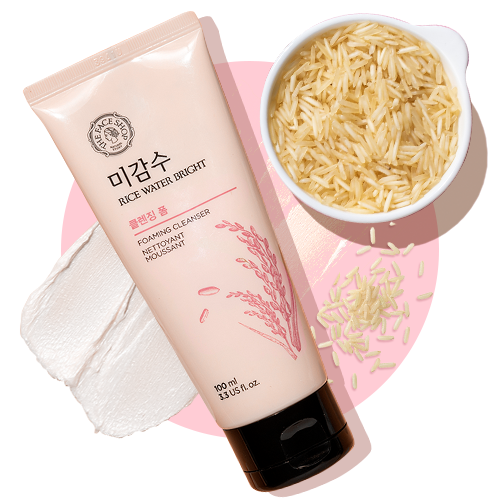
For example, The Face Shop's Rice Water Bright Cleansing Foam is a cult favorite in India for its ability to cleanse deeply while brightening dull skin - ideal for monsoon mornings and evenings.
Serum Swaps: Lightweight, Balancing, and Brightening for Indian Skin
Serums are the heart of any glass skin routine, but monsoon calls for a switch to lighter, water-based formulas. Heavy, oil-rich serums can trap sweat and bacteria, leading to congestion and breakouts. Instead, opt for serums with niacinamide, hyaluronic acid, or vitamin C - these ingredients hydrate, brighten, and balance without stickiness.
- Niacinamide helps control oil and fade dark spots common in Indian skin.
- Vitamin C serums can help counteract monsoon dullness and pollution damage.
Pairing your cleanser with a lightweight serum ensures your skin stays clear, hydrated, and radiant - even in 90% humidity.
Mini-Checklist: Building Your Monsoon-Proof Glass Skin Routine
- Cleanser: Gentle, brightening, non-stripping (e.g., Rice Water Bright Cleansing Foam)
- Serum: Lightweight, non-comedogenic, with niacinamide or vitamin C
- Moisturizer: Gel or water-based, oil-free
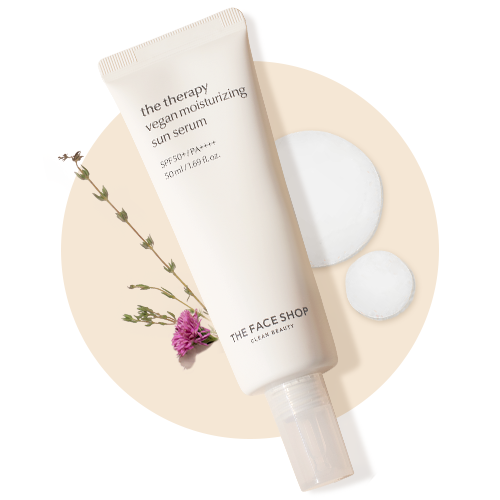
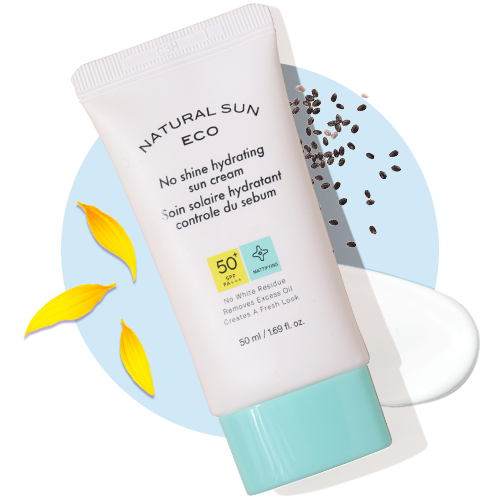
- Sunscreen: Matte, hydrating, sweat-resistant (NaturalSun Eco No Shine Hydrating Sun Cream)
Tip: Avoid layering too many products. Less is more during the monsoon.
Ingredient Spotlight: What Works (and What to Avoid) in Monsoon
Not all actives are created equal for India's rainy season. Here’s what to look for - and what to skip:
- Best for Monsoon: Niacinamide, hyaluronic acid, vitamin C, salicylic acid (for acne-prone skin)
- Use with Caution: Heavy oils, shea butter, coconut oil (can clog pores in humidity)
- Skip: Alcohol-heavy toners, harsh scrubs, thick occlusive creams
Evidence: Studies show that niacinamide reduces sebum production and improves skin clarity, while vitamin C brightens and protects against pollution - both are especially beneficial for Indian skin types during monsoon.
Real-Life Example: Swapping Your Routine in Mumbai's Monsoon
Consider Priya, a 28-year-old from Mumbai. Her usual glass skin routine left her feeling greasy and breaking out by July. By switching to Rice Water Bright Cleansing Foam and a lightweight vitamin C serum, she noticed:
- Less stickiness and shine by midday
- Fewer breakouts and visibly brighter skin
- Her INR 1,000 investment in the right cleanser and serum lasted over two months - better value than frequent dermatologist visits
This swap is practical for Indian budgets and delivers visible results, especially when paired with a gel moisturizer and a matte sunscreen.
Trade-Offs: Balancing Glow, Clarity, and Comfort
Every skin is unique, and monsoon routines require some trial and error. Lightweight products may not feel as instantly nourishing as richer creams, but they prevent congestion and breakouts. If you have dry or combination skin, you may still need a light layer of moisturizer - just avoid heavy occlusives.
- Pro: Lightweight routines reduce breakouts and stickiness
- Con: May require more frequent reapplication of moisturizer for very dry skin
- Tip: Always patch test new products, especially serums with actives
Smart Shopping: How to Choose Monsoon-Safe Skincare in India
With so many options, how do you pick the right products for your monsoon routine?
- Look for products specifically labeled as non-comedogenic and suitable for humid climates
- Consider value packs or seasonal offers, such as the 2 at 799 collection, to try multiple products without overspending
- Check ingredient lists for actives like niacinamide or vitamin C, and avoid heavy oils
Remember, investing INR 800-1200 in the right cleanser and serum can save you money on treatments for breakouts or pigmentation later.
Conclusion: Your Monsoon Glass Skin Routine, Upgraded
Adapting your glass skin routine for the Indian monsoon is all about smart swaps: a gentle, brightening cleanser and a lightweight, balancing serum. By focusing on what your skin truly needs during this season - clarity, hydration, and protection - you can achieve that luminous glow, rain or shine. For more tips and to explore monsoon-ready products, visit The Face Shop online.
FAQ
Why does my skin feel stickier and oilier during the Indian monsoon?
High humidity increases sweat and oil production, which can mix with pollution and clog pores. This makes skin feel sticky and can lead to more breakouts, especially if your routine isn't adapted for the season.
Should I stop using moisturizer in the monsoon?
No, skipping moisturizer can actually make your skin produce more oil. Instead, switch to a lightweight, gel-based moisturizer that hydrates without adding greasiness.
What cleanser is best for brightening and deep cleansing in monsoon?
A gentle, brightening cleanser like The Face Shop's Rice Water Bright Cleansing Foam is ideal. It removes sweat, sunscreen, and pollution without stripping your skin.
How do I prevent breakouts during monsoon if I have oily or combination skin?
Use non-comedogenic, lightweight products with ingredients like niacinamide or salicylic acid. Avoid heavy oils and always cleanse thoroughly, especially at night.
Are vitamin C serums safe to use in the Indian monsoon?
Yes, vitamin C serums can help brighten skin and protect against pollution. Choose a lightweight, stable formula and always follow with sunscreen during the day.