
Quick Summary
Many believe 'glass skin' is just about shine. Discover why true glass skin means deep health, hydration, and barrier strength—especially for Indian complexions.
Why 'Glass Skin' Is More Than Just Shine: The Real K-Beauty Definition
When you hear 'glass skin,' do you picture a face so shiny it almost looks oily? That’s a common misconception, especially in India’s humid climate where excess shine is often seen as a problem. But the K-beauty glass skin definition is not about looking greasy or artificially dewy. Instead, it’s about achieving skin that is smooth, even-toned, deeply hydrated, and radiant from within. This means a healthy, bouncy skin barrier - something that’s especially important for Indian skin types prone to pigmentation and sensitivity.
Myth vs. Fact: Glass Skin vs. Shiny Skin
Let’s break down the glass skin vs shiny skin debate. Shiny skin is often the result of excess oil production, which can be triggered by heat, humidity, or harsh products. Glass skin, on the other hand, is a sign of optimal hydration and a resilient barrier. The difference is visible: glass skin reflects light because it’s smooth and plump, not because it’s oily. In India, where pollution and sun exposure can compromise skin health, focusing on shine alone can actually worsen breakouts or dullness.
- Shiny skin: Oily, may feel sticky, prone to clogged pores.
- Glass skin: Balanced, hydrated, even texture, reflects light naturally.
Why Indian Skin Needs a Different Approach
Indian skin is unique - higher melanin content means greater risk of pigmentation, and the climate (hot, humid, or dry depending on region) impacts how products work. Many routines that promise 'glass skin' are designed for temperate climates, but in India, layering heavy creams or oils can backfire. Instead, lightweight hydration and barrier repair are key. For example, using a Ceramide & Rice Lightweight Emulsion delivers moisture without heaviness, ideal for Indian summers and monsoons.
Hydration: The Foundation of Real Glass Skin
True glass skin starts with hydration. In India, dehydration is common due to air conditioning, sun exposure, and pollution. Look for products with hyaluronic acid, glycerin, or rice extracts. These ingredients attract and retain moisture, keeping skin plump and luminous. A simple test: after cleansing, does your skin feel tight or comfortable? If it’s tight, you need more hydration. Consider adding a hydrating toner from our Hydrating Toner collection for an instant boost.
- Layer lightweight hydrating products (toners, emulsions, gels).
- Drink water, but don’t rely on it alone - topical hydration is essential.
- Adjust your routine seasonally: more layers in winter, lighter in summer.
Barrier Repair: The Overlooked Step for Indian Skin
Many Indians skip barrier repair, focusing only on fairness or oil control. But a strong barrier is what prevents pigmentation, irritation, and dullness. Ingredients like ceramides, rice bran, and niacinamide help reinforce your skin’s natural defenses. Our Ceramide & Rice Moisturizing Skincare kit is designed for this purpose, offering a complete routine that supports barrier health without clogging pores. Investing in barrier repair pays off - studies show it reduces sensitivity and improves glow over time.
Gentle Cleansing: Avoid the 'Squeaky Clean' Trap
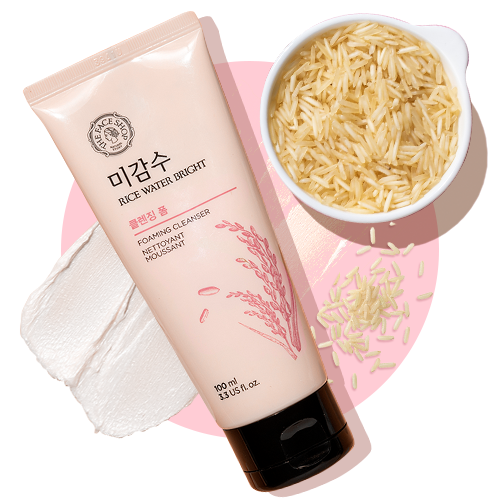
Many believe that a tight, squeaky-clean feeling after washing means their skin is clean. In reality, this often signals a stripped barrier. For Indian skin, which can be sensitive or prone to pigmentation, harsh cleansers can worsen issues. Opt for gentle, low-pH cleansers or detoxifying options like those in our Charcoal & Detox Cleanser for Oily Skin collection. These remove impurities without disrupting your skin’s natural oils.
- Avoid foaming cleansers with sulfates if your skin feels dry or tight.
- Double cleanse only if you wear sunscreen or makeup daily.
Targeted Treatments: Addressing Indian Skin Concerns
Hyperpigmentation, dark spots, and sensitivity are common in Indian skin. Instead of harsh bleaching agents, look for serums with niacinamide, centella asiatica, or snail mucin. These ingredients are proven to brighten and soothe without irritation. Patch test new products, especially if you have sensitive skin. Remember, glass skin is about even tone and clarity, not fairness.
Routine Guide: Step-by-Step for Indian Glass Skin
Here’s a practical routine for achieving healthy glass skin in India, with INR-friendly options:
- Cleanser: Gentle, non-stripping (see our Charcoal & Detox Cleanser collection).
- Toner: Hydrating, alcohol-free (explore our Hydrating Toner collection).
- Emulsion: Lightweight, barrier-repairing (Ceramide & Rice Emulsion).
- Treatment: Targeted serum for pigmentation or sensitivity.
- Moisturiser: Lock in hydration, adjust texture based on season.
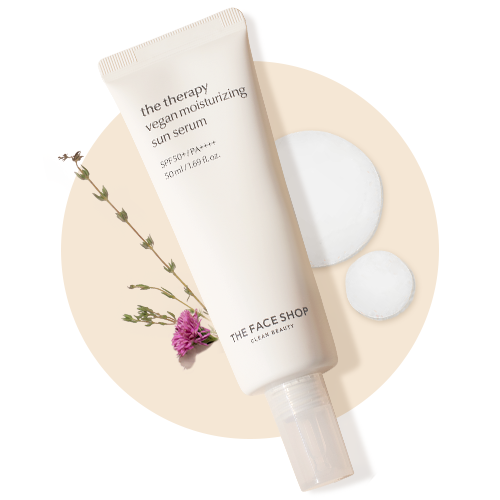
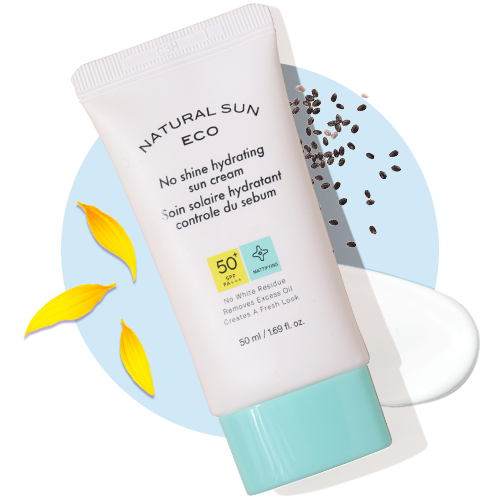
- Sunscreen: Broad-spectrum, non-comedogenic, reapply every 2-3 hours.
Estimated routine cost: INR 2,500–4,000 for a complete set, depending on product choices and sizes.
Common Mistakes: What to Avoid for Lasting Results
- Over-exfoliating: Can damage barrier and worsen pigmentation.
- Skipping sunscreen: UV exposure undoes all your hard work.
- Chasing trends: Stick to what works for your skin type and climate.
- Ignoring patch testing: Especially important for sensitive Indian skin.
Remember, glass skin is a journey, not a quick fix. Consistency and patience matter more than any single product.
Realistic Expectations: What Glass Skin Looks Like on Indian Complexions
Glass skin on Indian tones is not about looking pale or ultra-reflective. It’s about even tone, smooth texture, and a healthy, hydrated glow. Results vary by genetics, lifestyle, and climate. Some days your skin may look more radiant than others - this is normal. Focus on health, not perfection, and celebrate your unique skin journey.
Conclusion: Healthy Indian Skin Is the Real Secret
The glass skin myth is that it’s all about shine. In reality, true glass skin is about deep hydration, a strong barrier, and tailored care for Indian skin’s unique needs. Invest in gentle, effective products, and remember: healthy skin is always in style. For more evidence-based routines and product recommendations, explore The Face Shop’s curated collections.
FAQ
Is glass skin achievable for Indian skin tones?
Yes, glass skin is achievable for Indian skin tones. The focus should be on hydration, barrier repair, and even tone rather than fairness or excessive shine. Results will look naturally radiant on deeper complexions.
Will glass skin routines make my skin oily in Indian weather?
No, if you use lightweight, non-comedogenic products and avoid heavy creams or oils. Opt for hydrating toners and emulsions suited for humid or hot climates.
How long does it take to see results from a glass skin routine?
Most people notice improvements in hydration and texture within 2–4 weeks, but visible clarity and glow may take 6–8 weeks of consistent care.
Are glass skin products expensive in India?
You can build an effective glass skin routine for INR 2,500–4,000 using quality products from The Face Shop. Investing in barrier repair and hydration pays off in long-term skin health.
Do I need to use all steps in the glass skin routine every day?
Not necessarily. Adjust the number of steps based on your skin’s needs and the season. The essentials are gentle cleansing, hydration, barrier repair, and daily sunscreen.