
Quick Summary
Is glass skin possible for Indian skin? Dermatologists reveal the truth, bust myths, and share K-Beauty secrets tailored for Indian complexions and climate.
Is the radiant, poreless 'glass skin' look just a social media fantasy for Indian skin types? Or is it a real, achievable goal - if you know the right science-backed K-Beauty secrets? Let’s break down the myths, reveal dermatologist-approved truths, and show you how to adapt the glass skin routine for Indian complexions and climate.
1. Glass Skin: What It Really Means for Indian Skin Tones
Glass skin is not about achieving fairness or unrealistic perfection. Dermatologists define it as skin that is healthy, hydrated, and luminous - regardless of your natural shade. For Indian skin, which is rich in melanin and often faces humidity, pollution, and sun exposure, glass skin is about a dewy, even-toned glow, not lightening your complexion.
- Fact: Glass skin is possible for all Indian skin tones. The focus is on clarity, bounce, and smoothness, not color.
- Example: Many Indian influencers and dermatologists showcase glass skin with deeper, golden, or olive undertones.
- Counterintuitive: Over-exfoliation or aggressive brightening can actually dull Indian skin by damaging the barrier.
2. Myth-Busting: Common Misconceptions About Glass Skin in India
Let’s tackle the top myths:
-
Myth 1: “Glass skin is only for fair or Korean skin.”
Truth: Dermatologists confirm that glass skin is about hydration and barrier repair, not skin color. -
Myth 2: “Indian climate makes glass skin impossible.”
Truth: With lightweight, non-comedogenic products and sun protection, glass skin is achievable - even in Mumbai’s humidity or Delhi’s pollution. -
Myth 3: “K-Beauty routines are too expensive for Indian budgets.”
Truth: Many effective K-Beauty products are available in India for under INR 1,000, and you can build a routine with just 3-4 essentials.
Dermatologists stress: focus on consistency and ingredients, not just trends or imported products.
3. The Science: Why Indian Skin Needs a Different Approach
Indian skin is more prone to hyperpigmentation, sensitivity, and dehydration due to higher melanin, frequent sun exposure, and environmental stressors. Dermatologists recommend:
- Barrier Repair: Use ceramides and panthenol to strengthen skin against pollution and sun.
- Gentle Brightening: Niacinamide and vitamin C help fade dark spots without irritation.
- Hydration: Humectants like hyaluronic acid and beta-glucan add bounce without greasiness.
Data point: A 2022 study in the Indian Journal of Dermatology found that regular use of niacinamide reduced hyperpigmentation by up to 35% in Indian participants over 12 weeks.
4. K-Beauty Secrets That Actually Work in Indian Conditions
Not all K-Beauty steps are necessary for Indian skin. Dermatologists and experienced users recommend:
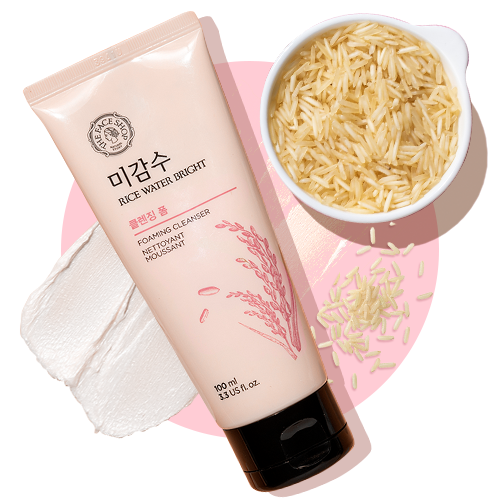
- Double Cleansing: Start with a gentle cleanser like Rice Water Bright Cleansing Foam to remove sunscreen and pollution.
- Hydrating Toners: Use lightweight, alcohol-free toners from the Hydrating Toner collection to prep skin for serums.
- Sheet Masks: Apply a mask from the Masksheets collection 2-3 times a week for an instant glow.
- Barrier-Boosting Emulsions: Lock in moisture with ceramide-rich products like the Ceramide & Rice Moisturizing Emulsion.
Mini-checklist: Look for products with centella, cica, rice extract, and niacinamide for best results in Indian weather.
5. Ingredient Spotlight: What to Seek (and Avoid) for Indian Glass Skin
Seek:
- Centella Asiatica (cica) for soothing redness and healing
- Niacinamide for brightening and oil control
- Rice extract for gentle brightening
- Beta-glucan and panthenol for hydration
Avoid:
- Alcohol-heavy toners that strip moisture
- Harsh scrubs or physical exfoliants (especially on active acne)
- Fragrance if you have sensitive skin
India-specific tip: Always patch test new actives, as Indian skin can be reactive to high concentrations of acids or retinoids.
6. Adapting the Routine: Glass Skin for Oily, Dry, and Combination Indian Skin
Indian skin types vary widely. Here’s how to tweak your glass skin routine:
- Oily/Acne-Prone: Use gel-based hydrating toners, avoid heavy creams, and spot-treat with niacinamide.
- Dry: Layer hydrating toners and emulsions, and seal with a light occlusive.
- Combination: Multi-layer lightweight hydration and use targeted masksheets on drier areas.
Counterintuitive: Even oily skin needs hydration - skipping moisturizer can increase oiliness.
7. Hyperpigmentation & Glass Skin: What Works (and What Doesn’t) in India
Hyperpigmentation is a top concern for Indian skin. Dermatologists recommend:
- Layering: Combine niacinamide serum with vitamin C in the morning, always followed by sunscreen.
- Sheet Masks: Use rice or licorice-infused Masksheets for gentle brightening.
- Limitations: Deep melasma may require professional treatments - K-Beauty routines help with mild to moderate spots.
Data: Consistent use of niacinamide and vitamin C can visibly fade dark spots in 8-12 weeks, but results vary by individual and sun exposure.
8. Realistic Results: How Long Does It Take to See Glass Skin in India?
Patience is key. Dermatologists advise:
- Visible glow and hydration: 2-4 weeks with daily routine
- Reduction in pigmentation: 8-12 weeks with targeted actives
- Barrier repair: 4-6 weeks, especially after switching from harsh products
Checklist: Track your progress with photos, adjust routine for seasonal changes, and don’t skip sunscreen - even indoors.
India-specific insight: Pollution and hard water can slow results, so gentle cleansing and antioxidant protection are crucial.
9. Expert Tips: Maintaining Glass Skin in Indian Weather
To keep your glow year-round:
- Switch to lighter textures in summer and richer hydration in winter.
- Always double cleanse after outdoor exposure.
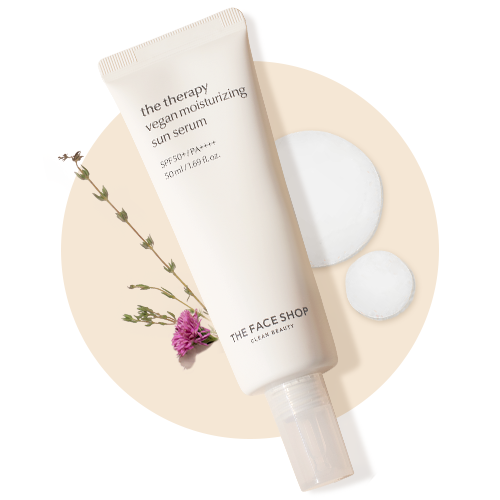
- Use a broad-spectrum sunscreen daily, even on cloudy days.
- Incorporate antioxidant-rich foods (like amla and turmeric) for inside-out radiance.
Pro tip: Keep a hydrating mist handy for midday refreshment - especially in air-conditioned offices.
FAQs: Your Top Glass Skin Questions, Answered
Can Indian skin really achieve glass skin?
Yes, with the right routine and ingredients, Indian skin can achieve a luminous, healthy glow. Focus on hydration, barrier repair, and sun protection.
How much does a basic glass skin routine cost in India?
You can start with essentials for under INR 2,000 by choosing multi-tasking products from trusted brands.
Is glass skin the same as skin lightening?
No, glass skin is about clarity and radiance, not changing your natural skin tone.
How often should I use sheet masks for glass skin?
2-3 times a week is ideal for most Indian skin types, especially during dry or polluted weather.
Are K-Beauty products safe for sensitive Indian skin?
Most are formulated for sensitive skin, but always patch test and avoid products with high alcohol or fragrance if you are reactive.
FAQ
Can Indian skin really achieve glass skin?
Yes, with the right routine and ingredients, Indian skin can achieve a luminous, healthy glow. Focus on hydration, barrier repair, and sun protection.
How much does a basic glass skin routine cost in India?
You can start with essentials for under INR 2,000 by choosing multi-tasking products from trusted brands.
Is glass skin the same as skin lightening?
No, glass skin is about clarity and radiance, not changing your natural skin tone.
How often should I use sheet masks for glass skin?
2-3 times a week is ideal for most Indian skin types, especially during dry or polluted weather.
Are K-Beauty products safe for sensitive Indian skin?
Most are formulated for sensitive skin, but always patch test and avoid products with high alcohol or fragrance if you are reactive.